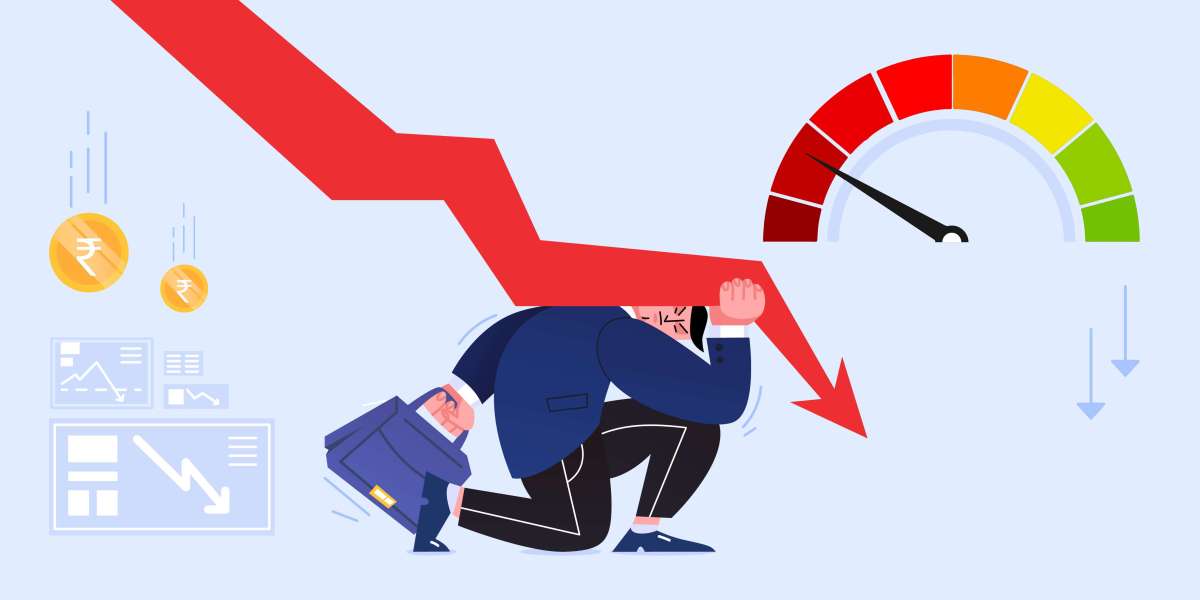

Most people don’t plan to struggle with debt. Loans often start with optimism — a new business idea, a medical need, a house renovation, a fresh start. Borrowing feels like a tool. Until, sometimes, it becomes a burden.
If you’re reading this, chances are you’re looking for clarity. Not hype. Not exaggerated promises. Just an honest understanding of what your options actually are.
Let’s slow down and talk about it properly.
Why Debt Spirals Faster Than We Expect
Debt doesn’t explode overnight. It grows quietly.
A missed EMI here. A credit card minimum payment there. Interest compounds in the background. Late fees join the party. Suddenly, the total outstanding amount feels larger than anything you originally borrowed.
What makes it worse is that financial stress rarely stays financial. It seeps into sleep patterns, conversations, decision-making. Even small expenses start triggering guilt.
This is usually when people begin searching for professional help.
What a Debt Solutions Company Actually Does
When things feel overwhelming, some borrowers turn to a debt solutions company for guidance. But what does that really mean?
In simple terms, these companies assess your financial position — income, expenses, outstanding loans, credit history — and help design a structured path forward. That might include negotiation with lenders, consolidation planning, repayment restructuring, or settlement discussions.
The key word here is structured.
A reliable company doesn’t promise miracles. It doesn’t guarantee that 80% of your debt will magically disappear. Instead, it evaluates what’s realistically possible based on your financial condition and lender policies.
Good advisors focus on transparency:
Clear explanation of service fees
Honest discussion about credit score impact
Written agreements outlining responsibilities
No unrealistic guarantees
If someone rushes you into signing without answering your questions, that’s a red flag.
Debt requires strategy. Not speed.
Understanding Loan Settlement Without Fear
At some point in the conversation, the term loan settlement may come up. It sounds intimidating. Sometimes even controversial.
Settlement typically happens after a borrower has defaulted for a prolonged period. The lender agrees to accept a reduced lump-sum amount as “full and final settlement” instead of the total outstanding balance.
It’s important to understand that settlement is not the same as fully repaying a loan. It’s a compromise between borrower and lender when full repayment is no longer feasible.
Why would a bank agree? Because recovering part of the amount is often better than recovering nothing.
But here’s the trade-off: your credit report will reflect the account as “settled,” not “closed.” That distinction matters to future lenders.
Settlement can stop mounting interest and legal escalation. But it comes with long-term credit implications. It’s not right for everyone.
Credit Scores: The Reality Check
We can’t talk about debt resolution without mentioning credit history.
Credit bureaus such as TransUnion CIBIL in India or Experian globally track your repayment behavior. Missed EMIs, defaults, and settlements all influence your score.
Does settlement permanently destroy your credit? No.
But it does lower it, especially in the short term. Rebuilding takes time and disciplined repayment behavior afterward.
If your score is already dropping due to missed payments, structured resolution might actually limit further damage.
It’s about managing impact, not eliminating it.
When Settlement Makes Sense — And When It Doesn’t
Settlement may make sense if:
You’ve experienced long-term income loss
Your business has closed without recovery prospects
Medical emergencies drained your finances
Legal notices are escalating
It may not make sense if:
Your financial hardship is temporary
You qualify for restructuring or consolidation
You can repay in full with adjusted terms
This is why professional evaluation matters. A good advisor won’t push settlement automatically. They’ll explore alternatives first.
Alternatives Worth Considering
Settlement isn’t the only path.
Other options include:
Debt consolidation (combining multiple loans into one EMI)
Loan restructuring with extended tenure
Balance transfers to lower-interest products
Direct negotiation with lenders
Consolidation works best when income is stable and credit hasn’t been severely damaged. Restructuring may reduce EMI burden without affecting your credit as drastically as settlement.
Every solution has consequences. The goal isn’t perfection. It’s sustainability.
The Emotional Weight of Financial Decisions
Debt carries emotional baggage.
People feel embarrassment. Guilt. Even isolation.
But here’s something worth remembering: financial setbacks are common. Businesses fail. Salaries fluctuate. Unexpected medical bills arrive without warning. None of this makes you irresponsible.
What defines financial maturity isn’t avoiding hardship entirely. It’s how you respond to it.
Taking action — whether through professional guidance or careful self-negotiation — shifts the narrative from avoidance to control.
That shift alone can reduce anxiety significantly.
Choosing the Right Support
If you’re considering professional help, take your time.
Ask practical questions:
What are the total fees?
Are fees charged upfront or after results?
What’s the expected timeline?
How will agreements be documented?
What happens if negotiations fail?
A legitimate company welcomes detailed questions. They don’t get defensive.
Financial decisions deserve patience.
Rebuilding After Debt Resolution
Whether you choose settlement, consolidation, or restructuring, resolving debt is just the first phase.
Rebuilding comes next.
Start small:
Build an emergency fund — even modestly
Avoid high-interest short-term loans
Monitor your credit report annually
Track monthly expenses honestly
Financial recovery is rarely dramatic. It’s consistent effort over time.
Gradually, confidence returns. Credit scores improve. Stress reduces.
And the chapter that once felt overwhelming becomes part of your financial education.
A Final, Grounded Thought
Debt can feel suffocating. It can blur your focus and steal your peace.
But solutions exist — structured, realistic ones. Whether you work with professionals or negotiate directly with lenders, clarity is your most valuable tool.
Don’t chase flashy promises. Look for transparency. Look for strategy. Look for sustainability.
Because resolving debt isn’t about escaping responsibility. It’s about regaining control.
And once you regain control — even imperfectly — you create space to rebuild, rethink, and move forward with stronger financial awareness than before.
That, in the long run, is worth more than any quick fix.