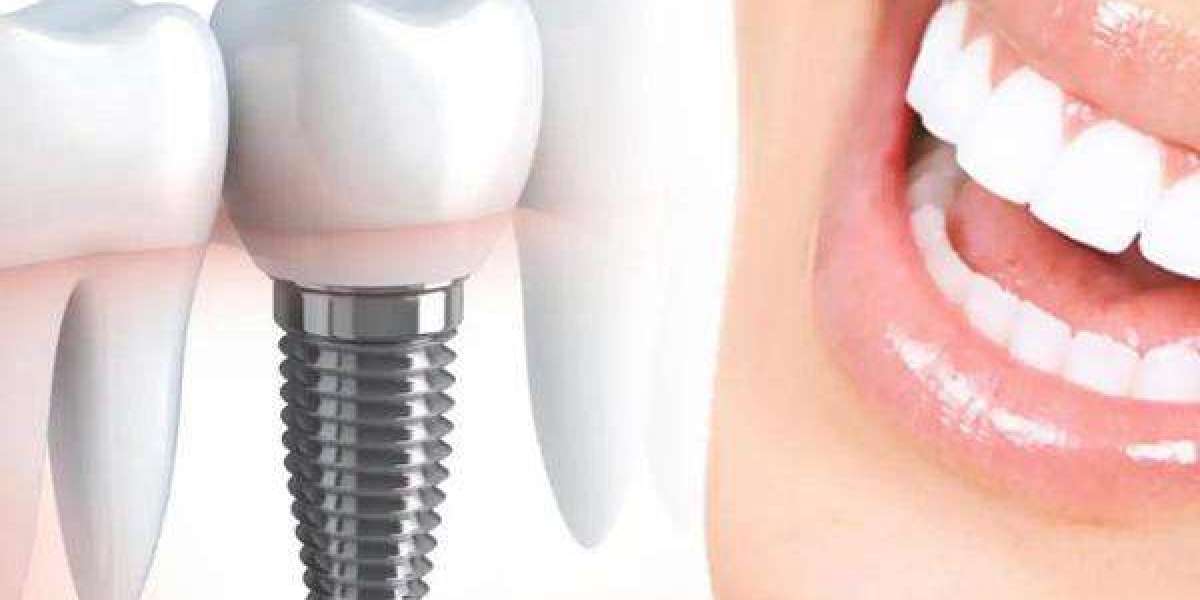

Your jawbone relies on stimulation from tooth roots to maintain its density and structure. When a tooth is lost, the absence of this stimulation can lead to bone resorption, where the bone gradually deteriorates over time. This not only affects facial structure, causing a sunken or aged appearance, but also compromises the ability to chew and support adjacent teeth. Dental Implants in Dubai provide a unique solution by replacing both the tooth and its root, helping preserve jawbone integrity.
How Dental Implants Support Bone Preservation?
Dental implants are titanium posts surgically inserted into the jawbone. Once placed, they undergo osseointegration, a process where bone cells grow around and fuse with the implant surface. This creates a stable anchor that mimics a natural tooth root, stimulating the bone and maintaining its density. Unlike dentures or bridges, which sit on top of the gums without stimulating the jaw, implants actively prevent bone loss and support long-term oral health.
The Risks of Missing Teeth Without Implants:
When missing teeth are left untreated, the jawbone begins to shrink in the area of the gap. This can lead to shifting of adjacent teeth, bite misalignment, and changes in facial structure. Over time, reduced bone volume may complicate future restorative procedures and limit options for stable tooth replacements. Early intervention with dental implants is crucial to mitigate these consequences and maintain a healthy jawbone.
Bone Grafting and Implant Preparation:
Not every patient has sufficient jawbone density for immediate implant placement. In cases of significant bone loss, bone grafting may be recommended. This procedure rebuilds and strengthens the jawbone, creating a solid foundation for the implant. Bone grafts can use synthetic materials, donor bone, or autogenous bone from another area of the patient’s body. Preparing the jawbone properly ensures successful integration and long-term stability of the implant.
The Role of Osseointegration in Jawbone Health:
Osseointegration is the process that makes dental implants effective in preserving the jawbone. By fusing with the bone, implants replicate the natural stimulation that a tooth root provides. This not only maintains bone density but also distributes chewing forces evenly, reducing stress on surrounding teeth and the jaw. Successful osseointegration is essential for long-term implant durability and overall oral function.
Lifestyle Factors That Influence Bone Maintenance:
Patient habits can affect jawbone health and implant success. Smoking, poor nutrition, and inadequate oral hygiene can impair bone healing and integration. Conversely, a balanced diet rich in calcium and vitamin D, combined with daily brushing, flossing, and regular dental checkups, supports both bone health and implant longevity. Maintaining these practices ensures the jawbone remains strong and functional after tooth replacement.
Functional Benefits of Preserving the Jawbone:
A healthy jawbone enhances more than just aesthetics. It supports efficient chewing, clear speech, and the proper alignment of remaining teeth. Dental implants maintain these functions by preventing bone deterioration and preserving the natural contours of the face. Patients with well-maintained jawbones experience better oral function and improved overall quality of life.
Comparing Implants to Dentures and Bridges:
Dentures and bridges restore missing teeth but do not address jawbone preservation. Dentures rest on the gums and can accelerate bone loss over time due to pressure on the underlying bone. Bridges rely on adjacent teeth for support, leaving the bone beneath the gap unstimulated. Implants, by integrating with the jawbone, provide a superior solution for maintaining bone density and structural integrity.
Long-Term Impact on Oral Health:
Best Dental Implants offer a long-term strategy for oral health by preserving jawbone structure and preventing complications associated with missing teeth. Maintaining the bone also protects the alignment of remaining teeth, reduces the risk of further tooth loss, and enhances facial appearance. This holistic benefit makes implants a valuable investment in both oral function and aesthetics.
Recovery and Aftercare for Bone Health:
Post-implant care is crucial to support bone integration and maintain long-term results. Patients should follow their dentist’s instructions regarding diet, oral hygiene, and activity restrictions during the healing period. Regular dental visits allow professionals to monitor bone health, check the stability of the implant, and address any issues early. Proper aftercare ensures that the jawbone remains strong and the implant continues to function effectively.
Final Thoughts: Preserving Your Jawbone with Dental Implants
Dental implants are more than a cosmetic solution—they are a critical tool for maintaining jawbone health after tooth loss. By replacing both the tooth and its root, implants provide stimulation that prevents bone deterioration, supports oral function, and preserves facial structure. Investing in dental implants not only restores your smile but also safeguards your long-term oral health, making them a smart choice for patients seeking durable and functional tooth replacement.