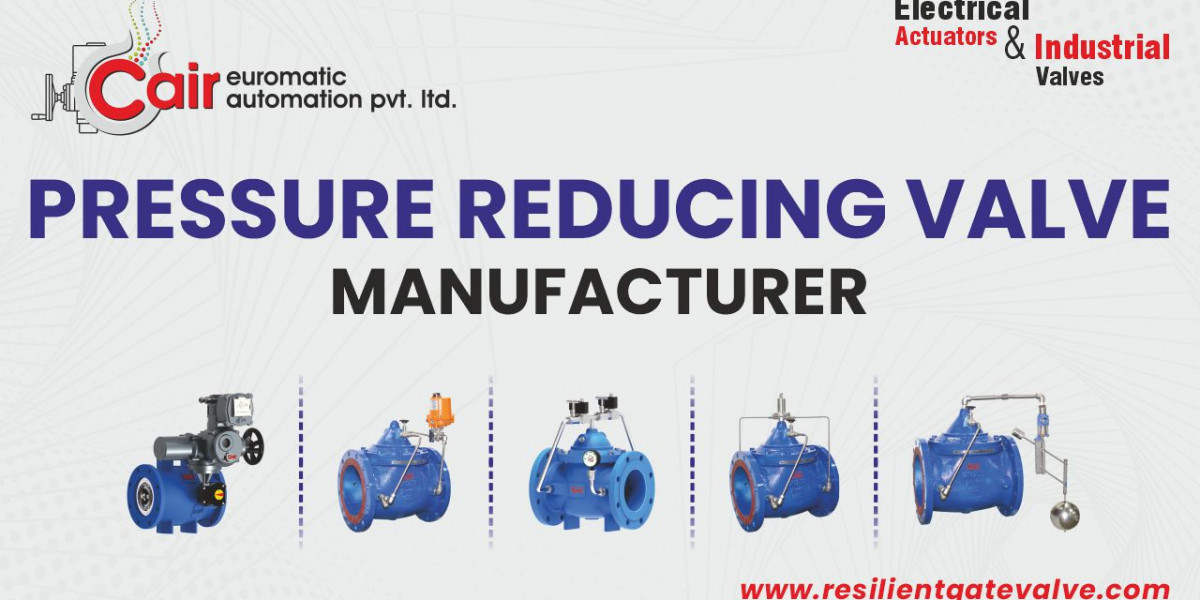

Why Pressure Control Matters
In water supply systems and industrial pipelines, pressure plays a critical role. Too much pressure can damage pipelines, valves, and equipment, while low pressure can affect system performance. This is where a Pressure Reducing Valve (PRV) becomes essential.
A pressure reducing valve is designed to automatically lower high inlet pressure to a safe and steady outlet pressure. In this article, we explain pressure reducing valves in simple words, making it easy for engineers, plant operators, and buyers to understand how they work, why they are important, and where they are used.
At Cair, a trusted Pressure Reducing Valve manufacturer, we design valves that work reliably in real-world water and industrial conditions.
What Is a Pressure Reducing Valve?
A Pressure Reducing Valve is a mechanical valve that reduces incoming pressure to a preset, controlled level—no matter how high or fluctuating the inlet pressure may be.
In simple terms:
High pressure enters the valve
The valve automatically controls it
Safe, stable pressure exits the valve
This happens without the need for electricity or manual adjustment during operation.
Why Do Pipelines Need Pressure Reducing Valves?
High pressure may seem useful, but it can cause serious problems in pipelines, such as:
Pipe leakage and bursting
Damage to fittings and joints
Increased water loss
Shorter life of valves and equipment
Noise and vibration in pipelines
A pressure reducing valve protects the entire system by keeping pressure within safe limits.
How Does a Pressure Reducing Valve Work?
The working principle of a pressure reducing valve is simple yet effective.
Inside the valve, there is:
A spring or pilot mechanism
A diaphragm or piston
A control seat
When inlet pressure increases, the valve partially closes to reduce pressure. When pressure drops, the valve opens slightly to maintain the required outlet pressure.
This continuous balancing action ensures:
Stable downstream pressure
Smooth flow control
Protection of pipelines
Where Are Pressure Reducing Valves Commonly Used?
Pressure reducing valves are widely used in:
Municipal water supply systems
Industrial process pipelines
High-rise buildings
Irrigation networks
Power plants
Manufacturing units
They are often installed along with other flow control equipment such as Double Flanged Butterfly Valve and wafer type butterfly valve systems to achieve complete pipeline control.
Pressure Reducing Valve in Water Supply Systems
In city water distribution networks, pressure can vary significantly due to elevation changes and demand fluctuations. PRVs help:
Maintain constant water pressure
Reduce pipe bursts
Minimize water wastage
Improve system reliability
Because of these benefits, water authorities rely heavily on PRVs for long-term infrastructure protection.
Pressure Reducing Valve in Industrial Applications
In industrial pipelines, pressure must be controlled precisely to protect machinery and processes. PRVs are used in:
Chemical processing plants
Oil and gas facilities
Power generation units
Food and beverage industries
These systems often combine PRVs with motorized butterfly valve setups to enable automation and precise control.
Types of Pressure Reducing Valves
Pressure reducing valves are available in different designs depending on application needs:
Direct-Acting Pressure Reducing Valve
Simple design
Ideal for small systems
Quick response
Pilot-Operated Pressure Reducing Valve
Higher accuracy
Suitable for large pipelines
Better pressure stability
At Cair, we help customers choose the right PRV design based on flow rate, pressure range, and application conditions.
Manual vs Automatic Pressure Reducing Valves
Modern systems require flexibility. Pressure reducing valves can be integrated with automation systems.
Manual Control Systems
Simple and reliable
Suitable for basic installations
Low maintenance
Automated Control Systems
Integrated with motorized double flange butterfly valve networks
Remote operation possible
Improved efficiency and safety
Automation is especially useful in large industrial and municipal projects.
How Pressure Reducing Valves Work with Butterfly Valves
In real pipeline systems, pressure reducing valves rarely work alone. They are often paired with butterfly valves to control isolation and flow.
Common combinations include:
PRV + wafer type butterfly valve for compact installations
PRV + Double Flanged Butterfly Valve for large pipelines
PRV + motorized butterfly valve for automated control
As a Top Butterfly Valve Manufacturer, Cair designs valves that work seamlessly together in integrated flow control systems.
Key Benefits of Using Pressure Reducing Valves
Using a pressure reducing valve offers many advantages:
Protects pipelines from over-pressure
Reduces maintenance costs
Improves safety
Extends valve and pipe life
Ensures consistent flow
Reduces energy loss
These benefits make PRVs a smart investment for both water and industrial systems.
Common Problems Solved by Pressure Reducing Valves
Pressure reducing valves help solve real-world issues such as:
Frequent pipeline leaks
High noise levels in pipes
Unstable pressure at outlets
Damage to pumps and meters
Excessive water loss
By maintaining stable pressure, PRVs keep systems running smoothly.
Choosing the Right Pressure Reducing Valve Manufacturer
Not all valves perform the same. Choosing a reliable Pressure Reducing Valve manufacturer ensures:
Accurate pressure control
Durable materials
Compliance with standards
Long service life
Reliable after-sales support
At Cair, quality, performance, and customer satisfaction are at the core of everything we do.
Why Cair Is Trusted by Engineers and Industries
Cair is known for delivering dependable valve solutions for water and industrial applications. Our strengths include:
Proven engineering expertise
High-quality materials
Precision manufacturing
Compatibility with automation
Strong industry trust
From PRVs to butterfly valves, our products are designed to perform under real operating conditions.
Installation and Maintenance Made Simple
Pressure reducing valves are easy to install when proper guidelines are followed. Regular inspection and basic maintenance help:
Maintain accuracy
Prevent clogging
Ensure smooth operation
Extend valve life
Cair provides technical support to help customers get the best performance from their valves.