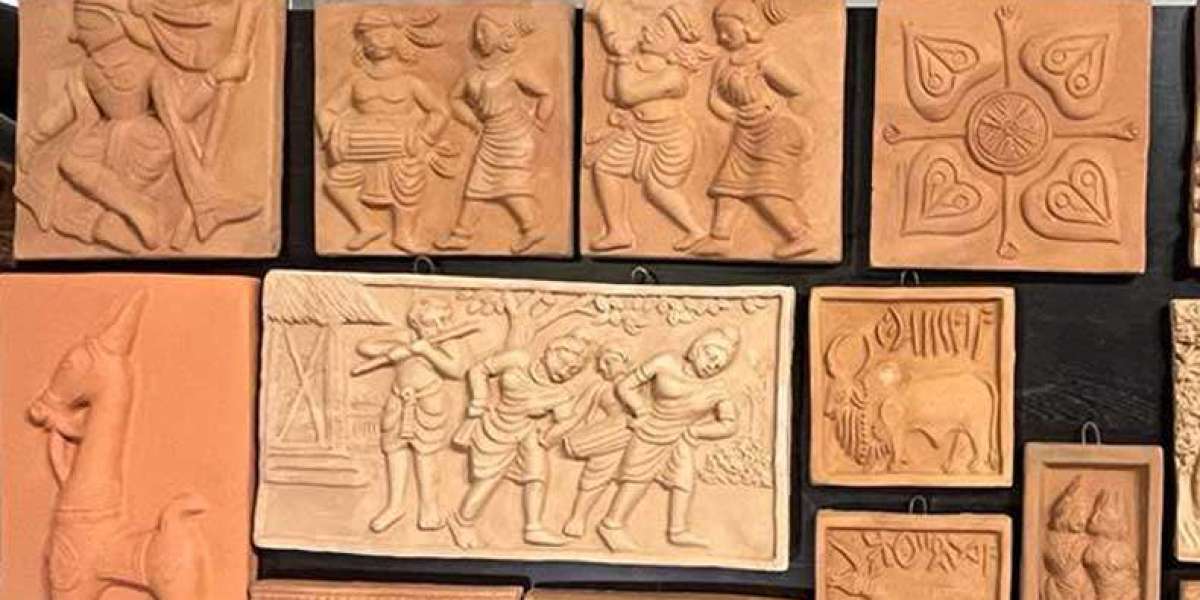

Terracotta tiles are one of the oldest and most beautiful flooring and design materials used in homes around the world. Made from natural clay and fired in kilns, terracotta tiles bring warmth, earthy charm, and timeless elegance to modern interiors and outdoor spaces. Their natural texture, rich color tones, and durability make them a favorite choice for homeowners, architects, and designers who want a balance of aesthetics and practicality.
In today’s home design landscape, people are moving toward natural materials that feel authentic and sustainable. Terracotta tiles perfectly fit this trend. Whether used for floors, walls, patios, or decorative accents, they create spaces that feel warm, organic, and inviting.
This guide will help you understand what terracotta tiles are, why they are popular, where they work best, and how to choose and maintain them for long-lasting beauty.
What Are Terracotta Tiles?
Terracotta tiles are natural clay tiles baked at high temperatures to create durable building materials. The word “terracotta” literally means “baked earth.”
These tiles are usually reddish-brown or earthy orange because they are made from iron-rich clay. The natural pigments in the clay give each tile a slightly unique appearance, which adds character to floors and walls.
Terracotta tiles are commonly used for:
- Indoor flooring
- Outdoor patios
- Kitchen backsplashes
- Bathroom walls
- Garden pathways
- Decorative accent walls
Because they are made from natural clay, terracotta tiles offer a rustic yet elegant appearance that fits both traditional and modern designs.
Why Terracotta Tiles Are Popular in Home Design
Terracotta tiles have remained popular for centuries. From Mediterranean villas to contemporary homes, they continue to be used because of their natural beauty and practicality.
Natural and Authentic Appearance
Terracotta tiles create a warm, earthy atmosphere in a space. Unlike synthetic materials, each tile has slight variations in color and texture.
This natural variation gives floors and walls a handcrafted look that many homeowners prefer.
Durability and Longevity
Properly installed terracotta tiles can last for decades. Many historic buildings around the world still feature terracotta flooring that has survived for generations.
Their durability makes them suitable for high-traffic areas such as living rooms, hallways, and outdoor patios.
Eco-Friendly Material
Terracotta tiles are made from natural clay and require minimal chemical processing. Because of this, they are considered environmentally friendly compared to many synthetic flooring options.
Many sustainable architecture guidelines recommend natural materials like terracotta because they reduce environmental impact.
Temperature Regulation
Terracotta tiles naturally stay cool underfoot. This property makes them ideal for homes in warm climates.
They also work well with radiant heating systems in colder climates, making them versatile for different environments.
Timeless Design Appeal
Design trends change constantly, but terracotta remains timeless. Its earthy color palette blends beautifully with wood, stone, metal, and modern materials.
This adaptability makes terracotta suitable for both rustic and contemporary homes.
Types of Terracotta Tiles
Not all terracotta tiles are the same. Different finishes and manufacturing techniques create variations in texture, durability, and appearance.
Handmade Terracotta Tiles
Handmade tiles are crafted individually by artisans. They often have slightly uneven edges and natural surface textures.
These tiles are ideal for homeowners who want a traditional or rustic aesthetic.
Machine-Made Terracotta Tiles
Machine-made tiles are produced using automated processes that ensure uniform shape and thickness.
They are easier to install and often more affordable than handmade options.
Glazed Terracotta Tiles
Glazed terracotta tiles have a protective coating applied to the surface.
Benefits include:
- Improved stain resistance
- Easier cleaning
- Enhanced color variations
They are often used in kitchens and bathrooms where moisture exposure is common.
Unglazed Terracotta Tiles
Unglazed tiles maintain a completely natural clay surface.
They offer a raw, earthy look but usually require sealing to prevent staining and moisture absorption.
Where to Use Terracotta Tiles in Your Home
Terracotta tiles are extremely versatile. They can be used in many areas of the home to enhance both function and design.
Living Rooms
Terracotta flooring adds warmth and texture to living spaces. When paired with wooden furniture and neutral fabrics, it creates a cozy environment.
Large tiles can make the space feel open and welcoming.
Kitchens
Terracotta tiles are commonly used for kitchen floors and backsplashes.
They complement rustic, farmhouse, and Mediterranean kitchen designs.
Sealed terracotta tiles are recommended in kitchens to prevent staining from food spills.
Bathrooms
Terracotta tiles can add a spa-like atmosphere to bathrooms.
However, they must be properly sealed to resist moisture and prevent water damage.
Outdoor Patios and Gardens
Terracotta is a classic material for outdoor spaces. Patios, walkways, and garden seating areas often use terracotta tiles because they blend beautifully with natural landscapes.
They also develop a charming weathered look over time.
Accent Walls and Decorative Features
Terracotta tiles are not limited to floors. They can also be used for decorative wall features such as fireplaces or statement walls.
The natural color variations create visual depth and character.
Design Styles That Work Well with Terracotta Tiles
Terracotta tiles adapt easily to different design styles. Their earthy tones complement many interior themes.
Mediterranean Style
Mediterranean homes often feature terracotta floors combined with white walls, wooden beams, and wrought iron accents.
This combination creates a warm and relaxed atmosphere.
Rustic and Farmhouse Design
Rustic interiors focus on natural textures and materials. Terracotta tiles pair perfectly with reclaimed wood, stone fireplaces, and handmade furniture.
Contemporary Minimalism
In modern minimalist homes, terracotta tiles can add warmth to otherwise neutral spaces.
Large-format tiles with clean lines can create a sophisticated modern look.
Bohemian Interiors
Bohemian design celebrates color, texture, and natural materials. Terracotta floors combined with plants, woven textiles, and handcrafted decor create vibrant spaces.
How Terracotta Tiles Are Made
Understanding how terracotta tiles are produced helps explain their durability and unique appearance.
Step 1: Clay Extraction
The process begins with natural clay sourced from the earth. The clay contains minerals that determine the final color of the tiles.
Step 2: Shaping the Tiles
The clay is shaped into tiles either by hand or using machines. This step determines the size and thickness of the tiles.
Step 3: Drying
Before firing, the tiles are dried to remove excess moisture. Proper drying prevents cracking during the firing process.
Step 4: Kiln Firing
Tiles are baked in kilns at extremely high temperatures. This process hardens the clay and transforms it into durable terracotta.
According to construction material studies from institutions like the Building Research Establishment, kiln firing significantly increases the strength and durability of clay products.
Step 5: Finishing and Sealing
Some tiles receive glazing or surface treatments to enhance durability and appearance.
Others remain unglazed for a natural finish.
Advantages of Terracotta Tiles
Terracotta tiles offer several practical and aesthetic benefits.
Natural Beauty
Their warm earthy tones create welcoming spaces.
Strong and Durable
Terracotta tiles can last for decades when properly maintained.
Environmentally Friendly
They are made from natural clay and contain minimal chemicals.
Unique Character
No two tiles are exactly identical, which adds visual interest.
Versatile Applications
They can be used indoors and outdoors across different design styles.
Potential Drawbacks to Consider
Although terracotta tiles are beautiful, they do require some care.
Porosity
Terracotta is naturally porous. Without sealing, it can absorb moisture and stains.
Maintenance
Regular sealing and cleaning are necessary to maintain the tiles' appearance.
Installation Costs
Installation may require experienced professionals, especially for handmade tiles.
Despite these considerations, many homeowners find the benefits outweigh the challenges.
How to Choose the Right Terracotta Tiles
Selecting the right tiles depends on several practical factors.
Consider the Location
Indoor tiles may differ from outdoor tiles in thickness and durability.
For example:
- Kitchens need stain-resistant tiles
- Patios require weather-resistant tiles
Choose the Right Finish
Glazed tiles are easier to maintain, while unglazed tiles offer a more natural appearance.
Evaluate Tile Size
Large tiles create a modern aesthetic, while smaller tiles add traditional charm.
Check Quality Standards
High-quality terracotta tiles should meet building material standards such as those recommended by organizations like the American Society for Testing and Materials (ASTM).
Installation Tips for Terracotta Tiles
Proper installation ensures the longevity of terracotta flooring.
Prepare the Subfloor
The surface must be level, clean, and stable before tile installation begins.
Use the Right Adhesive
Special tile adhesives help secure terracotta tiles effectively.
Seal the Tiles
Sealing is essential for protecting terracotta from stains and moisture.
Allow Proper Grouting
Grout spacing helps accommodate natural tile expansion.
Hiring experienced installers often leads to better results and longer-lasting floors.
Maintenance and Care
Terracotta tiles require simple but consistent care.
Regular Cleaning
Sweep or vacuum regularly to remove dust and debris.
Use mild cleaning solutions instead of harsh chemicals.
Periodic Sealing
Sealing protects the tiles from stains and water damage.
Most professionals recommend resealing every few years.
Avoid Abrasive Tools
Harsh scrubbing tools may damage the natural surface of terracotta tiles.
Using soft cloths or mops helps preserve their finish.
What Is the Difference Between Terracotta and Ceramic Tiles?
Terracotta and ceramic tiles are both clay-based materials, but they differ in several ways.
Terracotta tiles are typically unglazed and more porous, giving them a natural earthy appearance.
Ceramic tiles are usually glazed and less porous, which makes them more resistant to stains and moisture.
Terracotta emphasizes natural aesthetics, while ceramic often focuses on uniform design.
Are Terracotta Tiles Good for Modern Homes?
Yes, terracotta tiles work beautifully in modern homes.
Designers often combine terracotta with minimalist furniture, neutral colors, and large windows to create warm contemporary spaces.
Their natural tones soften modern interiors that might otherwise feel cold or overly sleek.
Are Terracotta Tiles Expensive?
Terracotta tiles can range from affordable to premium depending on factors such as:
- Handmade vs machine-made tiles
- Tile size and thickness
- Surface treatments and glazing
- Installation complexity
However, their long lifespan often makes them a cost-effective flooring option over time.
Common Mistakes to Avoid When Using Terracotta Tiles
Avoiding common mistakes can help homeowners get the best results from terracotta flooring.
Skipping the Sealing Process
Unsealed tiles can absorb stains quickly.
Using Harsh Cleaners
Strong chemicals may damage the natural surface.
Choosing the Wrong Tile Type
Outdoor areas require more durable tiles than indoor spaces.
Poor Installation
Improper installation can lead to uneven tiles or cracking over time.
Careful planning and professional installation help prevent these issues.
The Future of Terracotta in Sustainable Architecture
Terracotta tiles are gaining renewed attention in modern sustainable architecture.
Architects increasingly favor natural materials that reduce environmental impact while enhancing aesthetic value.
Research in sustainable construction from organizations such as the International Energy Agency’s building efficiency programs highlights the growing role of natural materials like clay in eco-friendly building design.
Terracotta’s durability, recyclability, and minimal processing requirements make it an attractive option for environmentally conscious homes.
Conclusion
Terracotta tiles combine timeless beauty, durability, and natural warmth, making them one of the most versatile materials in home design. From rustic farmhouse kitchens to modern minimalist living rooms, terracotta adds character and authenticity to any space.
Their earthy tones, eco-friendly nature, and long lifespan make them a smart investment for homeowners who want both style and sustainability. While they require proper sealing and maintenance, the result is flooring and design elements that can last for decades while aging gracefully.
If you are planning a renovation or building a new home, terracotta tiles can transform ordinary spaces into warm, inviting environments filled with natural charm.
If you want to explore more design inspiration, installation tips, and material guides, read our related home design articles and discover how natural materials can elevate your living spaces.