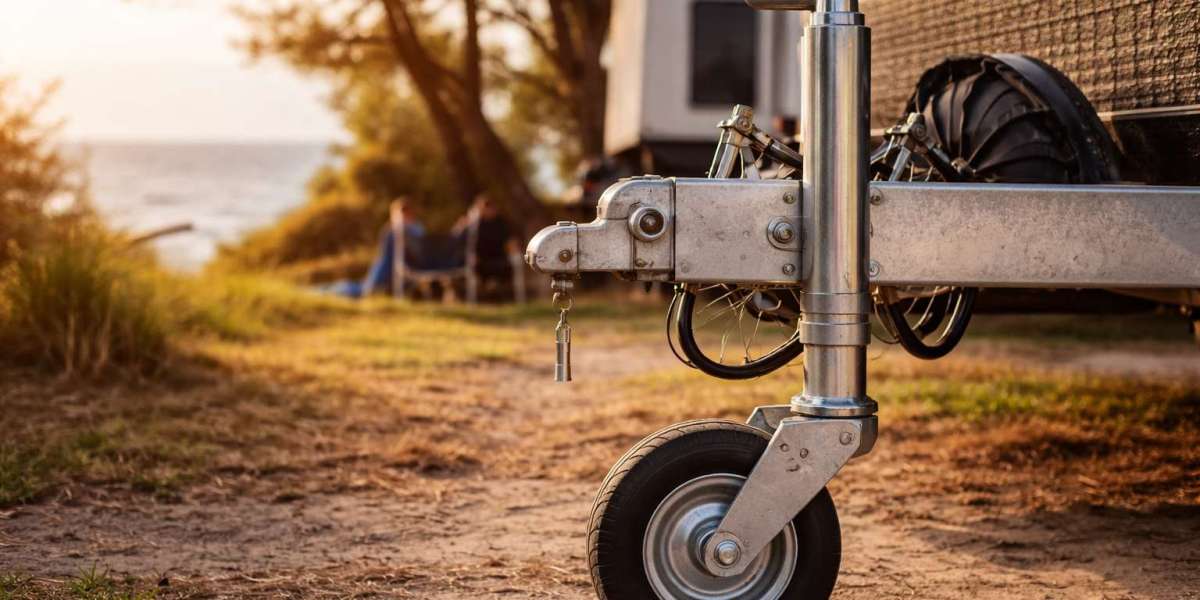

Your trailer jockey wheel works harder than you might realize. Every time you hitch and unhitch your trailer, this small but crucial component bears significant weight and stress. The bearings inside your trailer jockey wheel enable smooth movement and weight distribution, but they don't last forever. Recognizing when these bearings need replacement can save you from frustrating breakdowns and potential safety hazards.
Understanding Your Trailer Jockey Wheel Bearings
Before identifying problems, you need to understand what these bearings do. The bearings in your trailer jockey wheel allow the wheel to rotate freely while supporting the tongue weight of your trailer. They consist of small metal balls or rollers housed within races that reduce friction during movement. When you crank your jockey wheel up and down, these bearings handle both radial and axial loads.
Most jockey wheels use sealed ball bearings or tapered roller bearings. Sealed bearings come pre-lubricated and protected from contaminants, while serviceable bearings require periodic greasing. Both types eventually wear out through normal use, exposure to elements, and the constant pressure they endure.
Clear Warning Signs of Failing Bearings
Unusual Noises During Operation
Your ears provide the first line of defense against bearing failure. When you rotate your trailer jockey wheel, listen carefully for grinding, squeaking, or clicking sounds. Healthy bearings operate quietly with minimal noise. A grinding sound indicates that the bearing surfaces have worn down and metal grinds against metal. Squeaking often signals insufficient lubrication, while clicking suggests damaged or broken bearing components.
Excessive Play or Wobble
Grab your jockey wheel and try moving it side to side. A small amount of play might be normal, but excessive movement indicates worn bearings. The wheel should feel secure and stable. If you can rock the wheel back and forth easily or notice significant lateral movement, the bearings have likely degraded beyond their service limits.
Push and pull the wheel while someone watches from the side. Visible wobbling as the wheel rotates points to bearing wear. This wobble will only worsen over time and can affect your ability to properly level and stabilize your trailer.
Difficulty Turning or Stiff Movement
Your trailer jockey wheel should turn smoothly with minimal effort. If you notice increased resistance when cranking the wheel up or down, degraded bearings might be the culprit. Stiff or jerky movement indicates that the bearings no longer roll freely. This resistance forces you to apply more pressure, which accelerates wear on other jockey wheel components.
Visible Rust or Corrosion
Inspect your jockey wheel regularly for signs of rust and corrosion. These elements destroy bearings from the inside out. If you notice rust around the wheel hub, water and moisture have likely penetrated the bearing seals. Once corrosion starts, it progresses rapidly, causing pitting and surface damage that prevents smooth operation.
Check for rust streaks running down from the wheel assembly. These indicate that water has entered the bearing housing and mixed with the grease, creating a corrosive slurry.
Wheel Temperature
After using your jockey wheel extensively, carefully touch the hub area. While some warmth is normal from friction, excessive heat signals a problem. Bearings that run hot have either lost their lubrication or suffered damage that creates excessive friction. Hot bearings will fail quickly and may seize completely without warning.
Conducting a Proper Inspection
Visual Examination
Start your inspection by thoroughly cleaning the jockey wheel assembly. Remove dirt, mud, and debris that might hide damage. Look for cracks in the wheel housing, damaged seals, or missing components. Check the condition of any dust caps or bearing covers.
Examine the grease around the wheel. Fresh grease appears smooth and consistent. Contaminated grease looks gritty, contains metal particles, or has separated into oil and solids. Discolored grease indicates overheating or water contamination.
Hands-On Testing
With the trailer jockey wheel raised off the ground, spin it by hand. The wheel should rotate freely and coast to a stop gradually. If it stops abruptly or won't spin at all, the bearings have failed. Listen and feel for any roughness, grinding, or irregular movement as the wheel turns.
Perform the wiggle test described earlier, checking for play in multiple directions. Document any movement you detect so you can monitor whether the condition worsens.
Load Testing
Lower the jockey wheel until it supports some weight, then try rotating it. Bearings often reveal problems under load that aren't apparent when unloaded. Difficult rotation or unusual sounds during this test confirm bearing deterioration.
How Often Should You Check?
Inspect your trailer jockey wheel bearings before and after long trips, at the start of each season, and at least quarterly if you use your trailer regularly. Trailers stored outdoors need more frequent checks due to weather exposure. Marine environments accelerate corrosion, so increase your inspection frequency if you store your trailer near saltwater.
Preventive Maintenance Extends Bearing Life
Regular lubrication dramatically extends bearing life. Serviceable bearings need fresh grease annually or every 10,000 miles of towing. Use marine-grade grease for superior water resistance. When you apply new grease, pump out old grease until fresh grease appears, ensuring complete replacement.
Protect your bearings by installing or replacing dust caps and seals. These simple components keep water and contaminants away from bearing surfaces. Store your trailer in a covered area when possible, and use a protective cover over the jockey wheel assembly.
When to Replace Rather Than Repair
Once bearings show signs of significant wear, replacement becomes necessary. Don't attempt to nurse failing bearings along. The relatively low cost of new bearings pales in comparison to the inconvenience of a roadside failure. Most trailer jockey wheel bearing kits cost between $15 and $40, making replacement an affordable maintenance task.
Replace bearings immediately if you detect grinding noises, excessive heat, or significant play. These symptoms indicate advanced deterioration that won't improve. Continuing to use damaged bearings risks complete failure and potential damage to the wheel hub or spindle.
Conclusion
Your trailer jockey wheel bearings deserve attention and care. By recognizing warning signs like unusual noises, excessive play, difficult operation, visible corrosion, and abnormal heat, you can replace bearings before they fail completely. Regular inspections and preventive maintenance keep your trailer jockey wheel functioning reliably for years. Don't wait for a breakdown to address bearing problems. Stay proactive, inspect frequently, and replace bearings at the first sign of trouble. Your trailer's safety and your peace of mind depend on this critical component working flawlessly every time you tow.