
Pickleball, once considered a niche pastime, has quietly turned into one of the fastest-growing sports in the world. Communities are adding courts, sports clubs are expanding their facilities, and even homeowners with a little extra backyard space are starting to consider building their own courts.
But while the game itself feels casual and approachable, constructing a proper pickleball court involves more thought than most people expect. A well-designed court balances performance, durability, and comfort. Get those details right and players may never notice the engineering behind it — they’ll just enjoy the game.
Let’s take a closer look at what actually goes into building a pickleball court that works well and stands the test of time.
Why the Court Matters More Than You Think
At first glance, a pickleball court might look like a simple painted rectangle. But if you spend time playing on different courts, you’ll quickly realize not all of them feel the same.
Some courts have a clean, predictable bounce that makes rallies feel smooth and satisfying. Others might have tiny imperfections that cause the ball to behave strangely. Sometimes the surface feels slick underfoot, or the ball sounds dull instead of crisp when it hits the ground.
Those differences usually come down to how the court was designed and built.
Good court construction considers things like ground preparation, drainage, surface coatings, and spacing around the playing area. When these details are handled properly, the result is a court that feels natural to play on — something players may not consciously notice, but definitely appreciate.
Understanding the Investment
For anyone thinking about building a court, one of the first questions that comes up is the price. And that’s fair — sports facilities require planning and budgeting.
The pickleball court cost can vary widely depending on several factors. Location, materials, labor costs, and whether the court is built from scratch or converted from an existing space all influence the final price.
A brand-new outdoor court typically requires site preparation, a stable asphalt or concrete base, fencing, and surface coatings. If lighting, seating, or landscaping are added, the overall cost naturally increases.
However, many communities and organizations find that the investment pays off. Pickleball courts are almost always busy once they’re built. They attract players across different age groups, which means the space becomes a consistent hub of activity.
Compared to some other sports facilities, pickleball courts also take up less space and are relatively affordable to maintain over time.
The Role of the Court Surface
Once the foundation of a court is established, the next major step involves the playing surface. This is where performance and comfort come together.
Choosing the right Pickleball Court Flooring is crucial because it directly affects how the game feels. Players rely on predictable ball bounce and stable footing to move quickly during rallies.
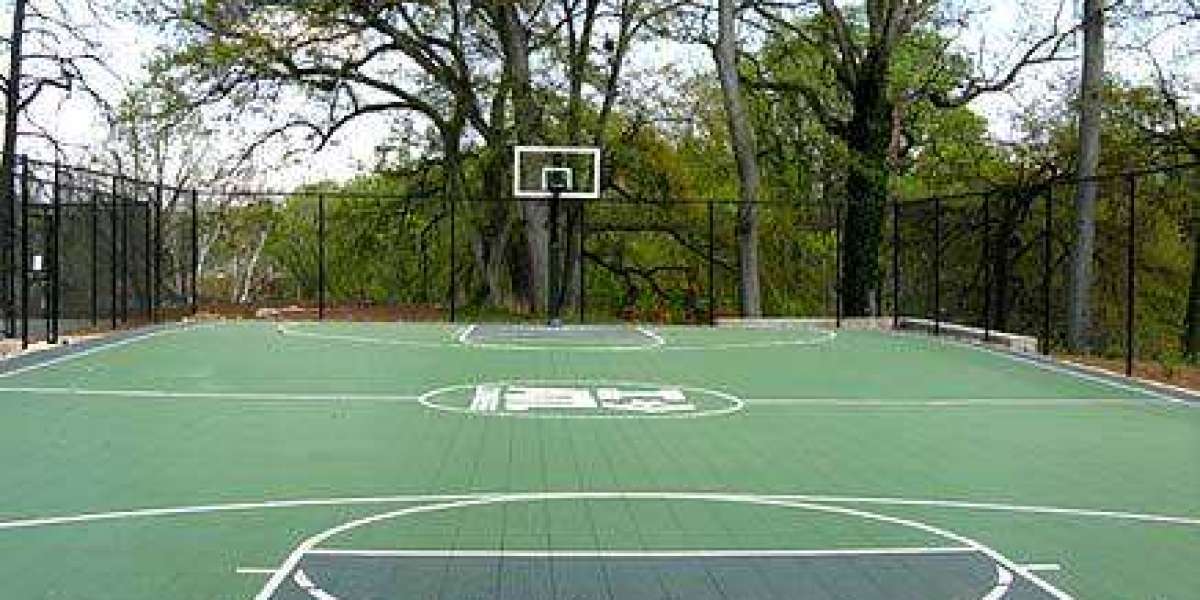
Most courts begin with a concrete or asphalt base. This base provides the strength and stability needed to keep the surface level for years. On top of that, several layers of acrylic sports coating are typically applied.
These coatings serve multiple purposes. They add texture to improve traction, help regulate ball bounce, and protect the underlying base from environmental wear. Sunlight, rain, and temperature changes can gradually damage unprotected surfaces, so the coating acts as a protective barrier.
Some facilities also add cushioned layers beneath the acrylic coating. These layers absorb impact from running and jumping, which can make long matches easier on players’ knees and joints.
It’s a small detail, but for frequent players, it makes a noticeable difference.
Design Details That Improve Gameplay
While surface quality is essential, a truly good pickleball court also includes thoughtful design choices that improve the playing experience.
Court orientation is one example. Outdoor courts are ideally positioned north to south, which helps reduce glare from the sun during morning and evening matches. Without proper orientation, players may struggle to see the ball clearly when the sun sits low on the horizon.
Spacing around the court is another important factor. Players often chase shots beyond the baseline or sprint wide to return difficult angles. Extra clearance around the court allows these movements to happen safely.
Fencing is commonly installed to keep balls contained within the playing area. It also prevents interruptions from neighboring games, which can be surprisingly common in busy sports complexes.
Lighting plays a big role for facilities that host evening matches. Well-placed lights provide consistent illumination across the entire court, making it easier for players to track the ball during fast rallies.
Each of these elements might seem small on its own, but together they create a court that feels comfortable and enjoyable to use.
Indoor vs Outdoor Courts
As pickleball continues to grow, more indoor courts are appearing in recreation centers and sports complexes.
Indoor courts offer a controlled environment where wind and weather never interfere with the game. The ball behaves more predictably, and players can enjoy year-round matches regardless of outdoor conditions.
Outdoor courts, though, still hold a certain charm. Playing outside brings a sense of openness and community. You can hear other games happening nearby, chat between rallies, and enjoy the energy that builds when multiple courts are active at once.
Construction priorities differ slightly between the two. Outdoor courts require proper drainage systems and weather-resistant coatings, while indoor courts focus more on shock absorption and lighting quality.
Keeping Courts in Good Shape
Even the best courts need a little attention over time.
Outdoor surfaces collect dust, leaves, and debris that can affect traction. Routine cleaning helps maintain a safe playing surface and keeps the court looking fresh.
Over several years of use, the painted lines and surface coatings may begin to fade. Resurfacing the court restores the color and texture, giving players that familiar crisp bounce once again.
Thankfully, pickleball courts are generally easier to maintain than many other sports surfaces. With occasional care, they can remain in excellent condition for many years.
More Than Just a Place to Play
In the end, a pickleball court isn’t just a piece of sports infrastructure. It’s a gathering place.
On any given day, you’ll find friends meeting for casual games, beginners learning the sport for the first time, and experienced players engaged in competitive matches. Conversations happen between points. Laughter carries across the courts.
That sense of community is part of what makes pickleball so special.
And when a court is built well — with thoughtful design, durable materials, and a comfortable surface — it quietly supports all of those moments.
Players may not think about the engineering behind the court as they rally back and forth. They’re too busy enjoying the game. But every smooth bounce and quick step owes something to the careful planning that went into building the space beneath their feet.