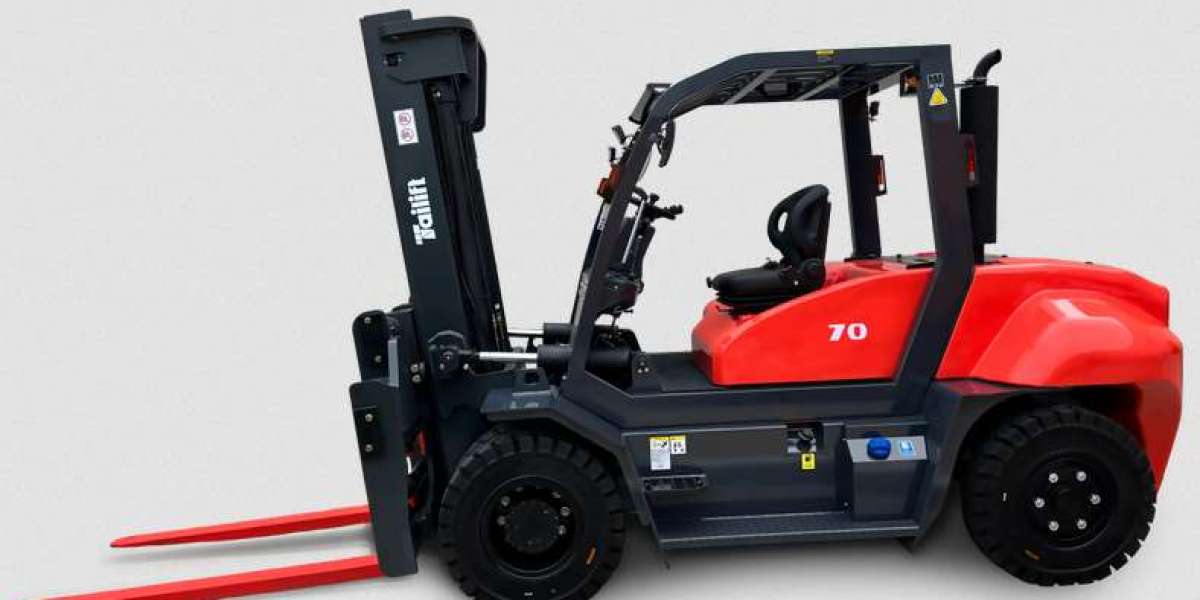

Construction sites demand heavy-duty equipment that can handle challenging outdoor environments with uneven surfaces and tough terrain. Among the essential machines for such settings is the rough terrain forklift, specifically designed to navigate and operate efficiently on unpaved, rugged grounds. These forklifts are critical for transporting heavy materials like lumber, steel, pallets, and machinery across construction zones where standard forklifts would struggle. Understanding the features and benefits of the best rough terrain forklifts helps construction managers and site supervisors select the right equipment to boost productivity and safety.
What Defines a Rough Terrain Forklift?
Key Characteristics of Rough Terrain Forklifts
A rough terrain forklift is engineered to operate on difficult surfaces that include gravel, mud, dirt, and uneven ground often found on construction sites. These forklifts feature large, durable tires with deep treads to provide maximum traction and stability. Unlike conventional forklifts designed for smooth warehouse floors, rough terrain forklifts are built to withstand shocks and impacts from rugged landscapes while maintaining load balance.
These machines typically come equipped with high ground clearance to prevent getting stuck on obstacles such as rocks or debris. Powerful engines, often diesel or LPG fueled, provide the necessary torque and lifting capability to handle heavy loads under demanding outdoor conditions. The design also includes reinforced chassis and strong suspension systems to absorb vibrations and shocks during operation.
Advantages Over Standard Forklifts
Standard forklifts are not suitable for outdoor construction sites because their smaller, smoother tires lack traction on loose or uneven surfaces. In contrast, rough terrain forklifts deliver enhanced stability and control, reducing the risk of tipping or accidents. Their ability to work on a variety of surfaces makes them versatile tools for multiple construction applications.
Additionally, rough terrain forklifts can maneuver on slopes and inclines better than standard forklifts. This capability is vital for construction sites that have varying elevation levels and uneven terrain. By using equipment built for these conditions, construction teams can maintain operational efficiency and reduce downtime caused by equipment limitations.
Essential Features to Look for in Rough Terrain Forklifts
Tire Types and Traction
One of the most important features of a rough terrain forklift is its tires. Pneumatic tires filled with air provide excellent traction and cushioning, making them suitable for soft and uneven surfaces. Solid pneumatic tires offer durability while maintaining some shock absorption properties. Foam filled tires are another option, offering puncture resistance for hazardous construction environments.
The tire tread pattern is designed to maximize grip and prevent slippage. Deep lugs and aggressive tread designs allow the forklift to push through mud, gravel, or loose dirt effectively. Choosing the right tire type depends on the specific ground conditions at the construction site.
Load Capacity and Lift Height
Construction tasks often require moving heavy materials such as steel beams, concrete blocks, or pallets of supplies. Therefore, selecting a rough terrain forklift with adequate load capacity is critical. These forklifts are available in various lifting capacities ranging from 5,000 pounds up to 15,000 pounds or more.
Lift height is another factor to consider. Some projects may demand reaching elevated storage racks or scaffolding areas. Forklifts with telescoping booms or extendable masts provide the flexibility to handle such tasks safely and efficiently.
Engine Power and Fuel Type
Rough terrain forklifts generally use powerful diesel or LPG engines to provide sufficient torque for outdoor operations. Diesel engines offer durability and fuel efficiency, making them popular for heavy-duty jobs. LPG-powered forklifts produce fewer emissions and can be a cleaner option, especially for sites with environmental restrictions.
Engine performance affects not only lifting capacity but also the ability to move across challenging terrain without stalling or losing power. Evaluating fuel type and engine size ensures that the forklift can meet the demands of the job site while maintaining cost efficiency.
Safety Features and Operator Comfort
Stability Systems and Safety Enhancements
Safety is paramount when operating heavy machinery on construction sites. Rough terrain forklifts often incorporate stability control systems that automatically adjust to prevent tipping during load lifting or on uneven ground. These systems improve operator confidence and reduce the risk of accidents.
Additional safety features include rollover protection structures, seat belts, and clear visibility from the operator’s cabin. Forklifts may also be equipped with alarms and lights to alert nearby workers during operation, enhancing overall site safety.
Ergonomic Design for Operators
Construction work can involve long hours of forklift operation, making operator comfort a vital consideration. Modern rough terrain forklifts are designed with ergonomic seats, adjustable controls, and suspension cabins that absorb shocks to reduce fatigue.
Easy-to-use control layouts and clear instrument panels help operators work efficiently and focus on safe material handling. Comfortable operators are less prone to errors, which contributes to improved productivity and fewer workplace incidents.
Applications of Rough Terrain Forklifts in Construction
Material Transport and Site Logistics
Rough terrain forklifts excel at moving materials quickly across large construction sites. They can transport heavy loads from delivery trucks to storage areas, ensuring a smooth flow of supplies needed for various phases of construction.
Their ability to traverse challenging terrain allows them to reach areas inaccessible to other machinery. This versatility supports efficient site logistics and helps keep projects on schedule.
Loading and Unloading Equipment
Construction projects often require unloading bulky materials or equipment from trucks and trailers. Rough terrain forklifts provide the lifting power and stability needed to perform these tasks safely. Their rugged tires and chassis ensure that they remain stable even when handling unevenly distributed loads.
By using specialized forklifts designed for rough terrain, construction teams can reduce the risk of damage to materials or equipment during loading and unloading operations.
Support for Heavy Lifting Tasks
Some construction jobs involve lifting and positioning heavy components such as steel frames, pipes, or concrete panels. Rough terrain forklifts with extendable booms or cranes provide the necessary reach and strength for these tasks.
The ability to lift loads at height while maintaining stability on uneven ground enhances the efficiency of on-site assembly and installation processes. These forklifts play a crucial role in enabling precise and safe material handling in demanding construction environments.
Maintenance Considerations for Rough Terrain Forklifts
Regular Inspections and Tire Care
Due to their demanding operating conditions, rough terrain forklifts require regular maintenance to stay in optimal condition. Inspections should focus on tire condition, hydraulic systems, and engine performance to detect wear or potential issues early.
Tires need special attention because they endure constant stress and impacts. Checking for punctures, cracks, or excessive wear helps prevent unexpected downtime and maintains safe traction.
Engine and Hydraulic System Maintenance
Maintaining the engine involves regular oil changes, filter replacements, and fuel system checks to ensure efficient operation. Hydraulic systems also require routine inspection to prevent leaks and maintain consistent lifting power.
Proper lubrication of moving parts and timely replacement of worn components contribute to extending the forklift’s service life. Following manufacturer-recommended maintenance schedules minimizes costly repairs and supports reliable performance on construction sites.
Conclusion
Selecting the best rough terrain forklift for construction sites involves understanding the unique demands of outdoor, uneven work environments. Key considerations include tire type, load capacity, engine power, and safety features. These forklifts are indispensable for moving heavy materials, supporting logistics, and performing lifting tasks across challenging terrain. Proper maintenance and operator training ensure that these machines provide consistent and safe performance. For construction businesses seeking expert guidance and high-quality forklift solutions, Tailift Material Handling USA Inc offers trusted support tailored to meet industry needs.