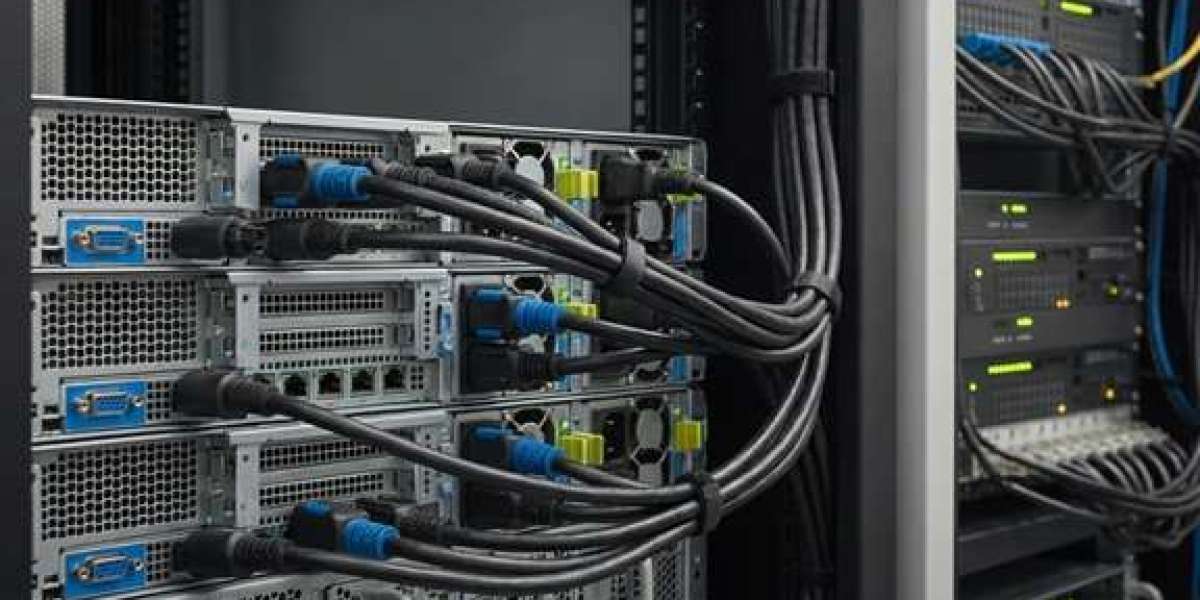

While power cords might seem like simple accessories, choosing the right cable is essential for maintaining stable server performance. Many enterprise servers rely on standardized connectors such as iec320 c13, which are widely used in computers, networking equipment, and server power supplies. Selecting the correct power cord ensures reliable power delivery, improves safety, and reduces the risk of downtime in enterprise environments.
This guide explains how to choose the right IEC power cords for high-performance servers in enterprise IT environments and the key factors you should consider before making a decision.
Understanding IEC Power Cord Standards
Most servers and IT equipment use power cords based on standards developed by the International Electrotechnical Commission (IEC). These standards define the shape, electrical capacity, and compatibility of connectors used in electronic devices.
The iec320 c13 connector is one of the most commonly used connectors in IT infrastructure. It connects to a C14 inlet that is typically found on computers, servers, networking switches, and monitors.
The advantage of standardized connectors is that they provide universal compatibility across many types of hardware. In enterprise IT environments where large numbers of servers are installed in racks, using standardized cables makes installation, maintenance, and replacement much easier.
Because these connectors are widely used across different manufacturers, technicians can quickly replace cables without worrying about compatibility issues.
Why Power Cord Selection Is Important in Enterprise Environments
Enterprise data centers often contain hundreds or even thousands of servers operating simultaneously. These systems run continuously and support mission-critical services such as online platforms, internal business applications, and data processing operations.
Using the wrong power cord can create serious issues such as unstable power delivery, overheating, or even equipment failure. Selecting a reliable cable with a connector like iec320 c13 ensures that servers receive consistent power while operating safely under heavy workloads.
Proper power cord selection helps provide:
Reliable electrical connections
Reduced overheating risks
Stable power supply for servers
Improved overall infrastructure reliability
In enterprise environments where downtime can result in significant financial losses, reliable power connections are extremely important.
Identify the Right Connector Type
Before selecting a power cord, it is important to confirm the connector type required by your server hardware.
The iec320 c13 connector is commonly used for many enterprise servers and networking devices. It connects to a C14 inlet on the server power supply and is widely used because of its reliability and compatibility.
However, some high-power equipment may require different connectors, such as C15 or C19 connectors. Checking the server’s power inlet ensures that the correct cable is selected.
Using the correct connector type prevents compatibility issues and ensures secure connections between the power source and the device.
Check the Power Requirements of the Server
Every server has specific electrical requirements that must be considered when selecting a power cord. These include voltage rating, current capacity, and wire thickness.
Voltage Rating
Enterprise servers typically operate on standard electrical systems such as 120V or 240V depending on the data center configuration.
The selected cable with an iec320 c13 connector must support the voltage used in the environment to ensure safe and reliable operation.
Current Rating
Current rating determines how much electrical current the cable can safely carry. Servers that consume higher levels of power require cables with higher current ratings.
Most iec320 c13 cables support around 10 to 15 amps, which is sufficient for many enterprise servers and networking devices.
Choosing a cable with an appropriate current rating helps prevent overheating and electrical stress.
Wire Gauge
Wire gauge refers to the thickness of the copper conductors inside the cable. Thicker wires can carry more current safely and generate less heat.
Common wire gauges include:
18 AWG for lighter equipment
16 AWG for moderate loads
14 AWG for higher power devices
For enterprise server environments, thicker cables often provide better reliability and safety.
Consider Cable Length and Rack Organization
Enterprise data centers often contain large server racks with multiple devices connected to power distribution units (PDUs). In these environments, cable length plays an important role in maintaining organized racks and proper airflow.
When selecting a power cable with an iec320 c13 connector, choose a length that comfortably reaches the PDU without leaving excessive slack.
Shorter cables are often preferred because they reduce clutter and improve airflow inside server racks. Proper airflow is essential for cooling high-performance servers and preventing overheating.
Good cable management also makes maintenance easier and reduces the risk of accidental disconnections during equipment upgrades.
Look for Certified and High-Quality Power Cables
Enterprise IT environments require reliable components that can operate continuously under demanding conditions. Not all power cords are built to the same standards, so selecting certified cables is important.
A reliable iec320 c13 power cord should include certifications such as:
UL certification
CSA certification
RoHS compliance
These certifications confirm that the cable meets strict electrical safety and environmental standards.
High-quality insulation and durable connectors also help ensure that the cable can withstand heat, bending, and long-term use.
Ensure Compatibility with Power Distribution Units
Power distribution units are commonly used in enterprise server racks to supply electricity to multiple devices. Before selecting power cords, it is important to verify that the connectors match both the server and the PDU outlets.
For example, a server with a C14 inlet will require a cable with an iec320 c13 connector on the equipment side.
Ensuring compatibility between cables and PDUs helps prevent connection issues and ensures stable power delivery to all connected equipment.
Reliability and Long-Term Performance
Enterprise servers often support critical applications that businesses rely on every day. Any interruption in power can cause service disruptions, data loss, or financial damage.
Choosing a high-quality iec320 c13 power cord helps maintain reliable electrical connections and supports long-term server performance.
Even though power cords may seem like simple components, they play a major role in maintaining the stability of enterprise IT infrastructure.
Conclusion
Selecting the right power cord is an important step in building a reliable enterprise server environment. High-performance servers require stable electrical connections that can support continuous workloads and demanding operating conditions.
By understanding connector types, checking electrical requirements, choosing the correct cable length, and selecting certified products, you can confidently choose the best power cable with an iec320 c13 connector for your enterprise servers.
In modern IT environments where uptime and reliability are essential, even small components like power cords play a critical role. Choosing the right cable ensures safe power delivery, protects valuable hardware, and helps maintain consistent performance for enterprise server infrastructure.