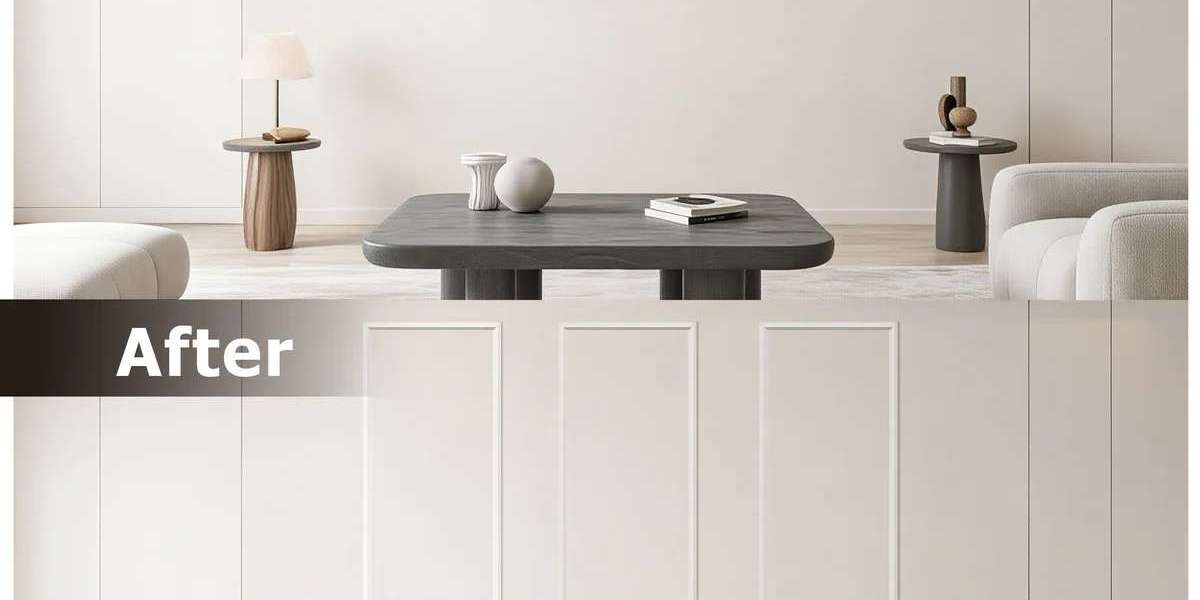

There is a reason wainscoting has remained a beloved feature of interior design for centuries, transcending passing trends and evolving styles to maintain its place in elegant homes. It speaks to something fundamental in our appreciation of space: the desire for rooms that feel grounded, protected, and intentionally crafted. Wainscoting panels offer this timeless appeal in a form that is more accessible than ever, allowing homeowners to add architectural character without the complexity of traditional millwork. These panels capture the essence of classic design while embracing modern manufacturing techniques that make them practical for contemporary living. Whether you are drawn to the formal elegance of raised panel designs, the casual charm of beadboard, or the clean simplicity of flat panel styling, wainscoting provides a foundation upon which you can build rooms of genuine distinction. The result is spaces that feel complete, considered, and quietly luxurious, the kind of homes that never go out of style.
The Enduring Appeal of Wainscoting
Understanding why wainscoting has maintained its popularity for well over three centuries requires appreciating both its practical origins and its aesthetic contributions. Historically, wainscoting served a protective function, shielding plaster walls from the bumps and scuffs of daily life, particularly in dining rooms where chair backs constantly contacted the wall surface. This practical benefit remains valuable today, especially in high-traffic areas where walls need all the protection they can get. But the aesthetic contributions have become equally important over time. Wainscoting adds visual weight to the lower portion of a room, grounding the space and creating a sense of stability that floating walls cannot provide. It introduces texture and shadow play that flat surfaces cannot achieve, catching light in ways that make rooms feel more dynamic and alive. It creates a natural transition point where wall treatments can change, allowing for creative combinations of paint, wallpaper, or different colors above and below the rail. Perhaps most importantly, wainscoting signals care and attention, telling everyone who enters that this is a room where details matter.
Types of Wainscoting Panels Available
The world of wainscoting panels offers remarkable variety, ensuring that whatever your design preference, there is a style that will speak to you. Raised panel wainscoting remains the most traditional option, featuring panels with beveled edges that project slightly from the surrounding framework. This style casts beautiful shadows and adds significant texture to walls, working beautifully in formal dining rooms, libraries, and traditional living spaces where you want to evoke timeless elegance. The raised panels can be simple and geometric or more ornate with curved tops, depending on the level of formality you desire. Flat panel wainscoting, sometimes called recessed panel, features panels that sit flush with or slightly below the surrounding rails and stiles. This creates a more subtle, streamlined look that adapts well to both traditional and transitional interiors, offering definition without the bold shadow lines of raised panels. Beadboard wainscoting, with its distinctive vertical grooves, brings a casual, cottage-inspired feel to spaces, perfect for breakfast nooks, mudrooms, bathrooms, and coastal-inspired homes. Overlay panel systems offer the most straightforward installation, with decorative panels that apply directly to the wall surface, creating the illusion of traditional framing without the complexity of building individual boxes.
Materials and Manufacturing Quality
Modern wainscoting panels are manufactured from a range of materials, each offering distinct advantages for different applications. Primed medium-density fiberboard, or MDF, has become enormously popular for wainscoting applications. It offers a smooth, consistent surface that paints beautifully, resists warping better than natural wood, and comes at an accessible price point. MDF is an excellent choice for painted finishes where the material beneath the paint doesn't matter, as it provides a uniform canvas for your chosen color. For areas exposed to moisture, such as bathrooms, kitchens, or mudrooms, polyurethane panels offer exceptional water resistance. These panels are lightweight, easy to cut, and completely impervious to humidity, making them ideal for spaces where traditional materials might fail. For those seeking the authentic look and feel of natural wood, premium panels in pine, poplar, or other species are available, offering beautiful grain that can be stained or clear-finished for a warm, organic look. The manufacturing quality varies across products, with better panels featuring consistent dimensions, smooth surfaces, and precise detailing that makes installation easier and results more professional.
Planning Your Wainscoting Installation
Successful wainscoting installation begins long before the first panel is cut, with careful measurement and thoughtful planning. Start by determining the height of your wainscoting. Traditional chair rail height typically falls between 32 and 36 inches from the floor, but this can be adjusted based on your ceiling height and personal preference. Some modern installations extend higher, creating more dramatic effect, while others stop lower for subtle definition. Once you have established your height, measure each wall where panels will be installed, noting the locations of windows, doors, and electrical outlets. These elements will need to be worked into your design rather than fought against, with panels cut to fit around them seamlessly. Consider how panels will align around corners and how the pattern will flow from wall to wall. In rooms with multiple walls, the spacing and alignment should be consistent to create a unified appearance. Take time to sketch your walls and calculate how many panels you will need, accounting for waste and the need to pattern-match at corners. Most manufacturers provide detailed guidelines for their specific panel systems, and following these recommendations ensures that your finished installation will have the professional rhythm of properly proportioned design.
Preparing Your Walls for Installation
The quality of your finished wainscoting will depend significantly on the preparation you invest before installation begins. Start by removing any existing baseboard or trim that will interfere with your new panels. This is also an excellent time to address any wall imperfections. Inspect the surfaces where panels will be applied, filling any holes or cracks with spackle and sanding them smooth once dry. If your walls have significant texture, you may want to consider skimming or sanding to create a smoother surface, as pronounced texture can telegraph through panels and compromise the clean look you are seeking. Clean the walls thoroughly with a mild detergent to remove dust, grease, and any residues that might affect adhesion or paint application. Allow the walls to dry completely before proceeding. If your installation method involves adhesive, ensure the room temperature is within the range recommended by the manufacturer, as extreme temperatures can affect bonding. This preparation work is not the most glamorous part of the project, but it is absolutely essential to achieving results that look professional and remain beautiful for years.

Installation Methods and Techniques
Depending on the specific wainscoting panels you have selected, installation may involve adhesive, mechanical fasteners, or a combination of both. Many modern panels are designed for adhesive installation, using construction adhesive formulated for the panel material and your wall type. This approach is clean, quiet, and straightforward, requiring no nail guns or specialized tools. Begin by establishing a level line at your planned wainscoting height, using a long level to ensure accuracy around the entire room. Apply adhesive to the back of each panel according to the manufacturer's instructions, then press the panel firmly into position against the wall. Use a level to verify plumb, and use painter's tape to hold panels in place while the adhesive cures. For panels that require mechanical fastening, a finish nailer is typically used, with nails placed in inconspicuous locations or countersunk and filled for painting. Corner treatments require special attention, whether you are using pre-formed corner pieces or mitering your own joints. Take your time with each panel, ensuring alignment and fit before moving to the next. The satisfaction of watching your walls transform, panel by panel, is one of the great pleasures of this project.
Finishing for Lasting Elegance
Once all panels are securely installed, the finishing phase begins, transforming your wainscoting from raw material into refined architectural feature. If your installation involved nails, countersink any that are not fully seated and fill the holes with wood filler or spackle. Sand these patches smooth once dry. Apply a thin bead of paintable caulk to any seams where panels meet the wall or each other, smoothing with a damp finger for a professional finish. This caulking step is crucial, as it eliminates shadows and creates the illusion of continuous, custom craftsmanship. Allow all caulk to dry completely before painting. Because most wainscoting panels arrive pre-primed, you can move directly to painting with your chosen color. Consider the relationship between your wainscoting color and the wall above. Painting both the same color creates a subtle, integrated look that adds texture without contrast, allowing the shadows cast by the panels to provide all the definition. Painting the wainscoting white against a colored wall is a classic choice that defines the architectural detail and adds crisp contrast. For a bold statement, consider a darker color on the wainscoting, grounding the room and creating dramatic definition. Whichever approach you choose, apply paint with a small roller for the broad surfaces and an angled brush for the panel recesses and trim details. The result will be wainscoting that looks custom-built, professionally finished, and perfectly suited to your home, adding timeless elegance that will be enjoyed for years to come.