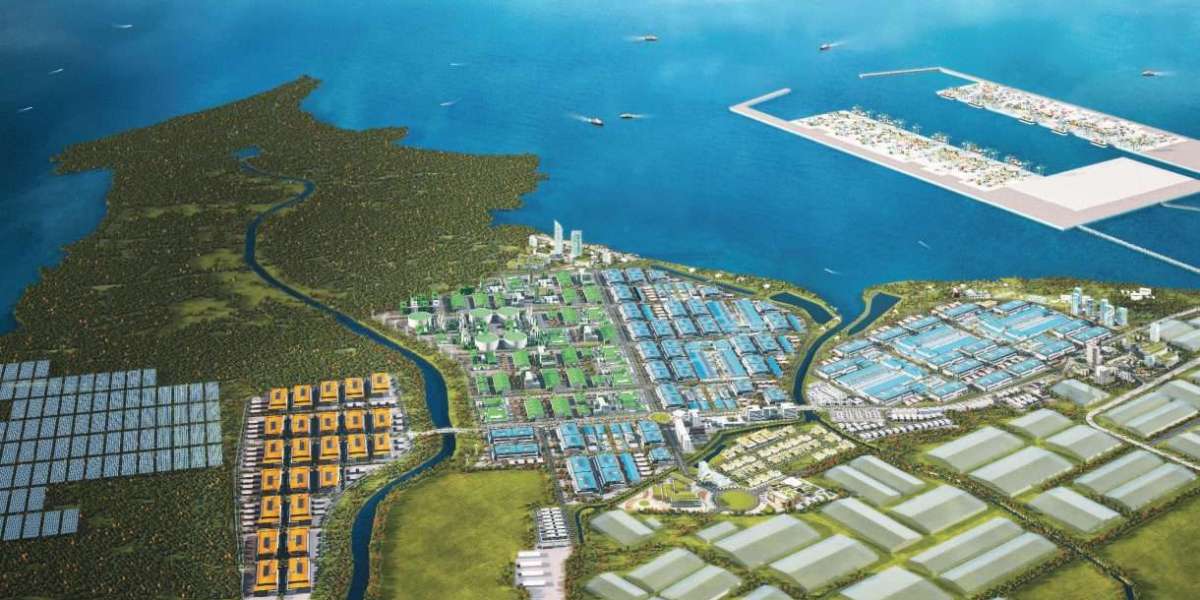

Indonesia is expanding its transportation infrastructure to support the rising demand for international trade. One of the most significant projects in this effort is Patimban, a modern seaport developed to improve logistics performance and increase export capacity. By offering advanced facilities and a strategic location, Patimban helps industries move goods more efficiently and strengthens Indonesia’s ability to compete in global markets.
Strategic Importance
Positioned in Subang, West Java, Patimban is located near several major manufacturing centers. This proximity allows factories to transport products quickly to shipping terminals. Key industries in the area, including automotive production, electronics manufacturing, and other export-oriented businesses, benefit greatly from the accessibility of Patimban.
Before the development of this port, many exporters relied mainly on a busy port in Jakarta. As shipping volumes increased, congestion became a major issue, causing delays and higher logistics costs. The introduction of Patimban provides an additional port that helps handle growing cargo volumes more efficiently.
Modern Port Infrastructure
The infrastructure at Patimban is designed to support efficient maritime operations. The port includes large docking areas, container terminals, cargo storage facilities, and specialized zones for vehicle exports. These features allow ships to load and unload goods quickly, improving overall efficiency.
Modern technology also plays a vital role in port operations. Digital systems track cargo movement, manage logistics activities, and improve security throughout Patimban. These systems help maintain organized and reliable port operations.
Economic Benefits
The development of Patimban offers important economic advantages. Improved logistics reduce transportation costs for businesses and shorten delivery times for exports. These improvements help Indonesian companies remain competitive in international markets.
In addition, Patimban creates many employment opportunities in sectors such as cargo handling, transportation services, logistics management, and port administration. These jobs support local communities and contribute to regional economic growth.
Supporting Automotive Exports
Indonesia is one of Southeast Asia’s key automotive manufacturing centers. Many vehicles produced in the country are exported worldwide. Patimban supports this sector by providing dedicated terminals specifically designed for vehicle shipments.
Large parking and storage areas allow vehicles to be organized before export, while efficient loading systems ensure that cars are transferred onto ships safely and quickly. These facilities make the export process smoother for manufacturers.
Strengthening Logistics Networks
Efficient logistics systems are essential for successful trade operations. Patimban improves Indonesia’s transportation network by connecting industrial areas with international shipping routes. The port is linked to major highways that allow goods to move quickly between factories and shipping docks.
Future plans include improved rail connections, which will further enhance cargo transportation and reduce delivery times. These developments will help businesses maintain reliable global supply chains.
Future Expansion Plans
The development of Patimban is being completed in several phases to support long-term trade growth. Each phase increases the port’s capacity and adds new facilities. Once fully developed, Patimban will be capable of handling millions of containers and vehicles every year.
This expansion will allow Indonesia to manage increasing trade demands while maintaining efficient port operations.
Sustainability and Technology
Modern port projects must also consider environmental sustainability. Patimban incorporates energy-efficient systems and improved waste management practices to reduce its environmental impact.
Advanced digital technologies also help monitor cargo movements and coordinate logistics activities. These innovations improve operational efficiency while maintaining environmental responsibility.
Conclusion
Patimban represents a major step forward in Indonesia’s efforts to modernize its maritime infrastructure. By providing advanced port facilities and strengthening logistics connections, the port supports expanding export activities and reduces congestion at older ports.
As trade continues to grow, Patimban will play an increasingly important role in connecting Indonesian industries to global markets and supporting long-term economic development.