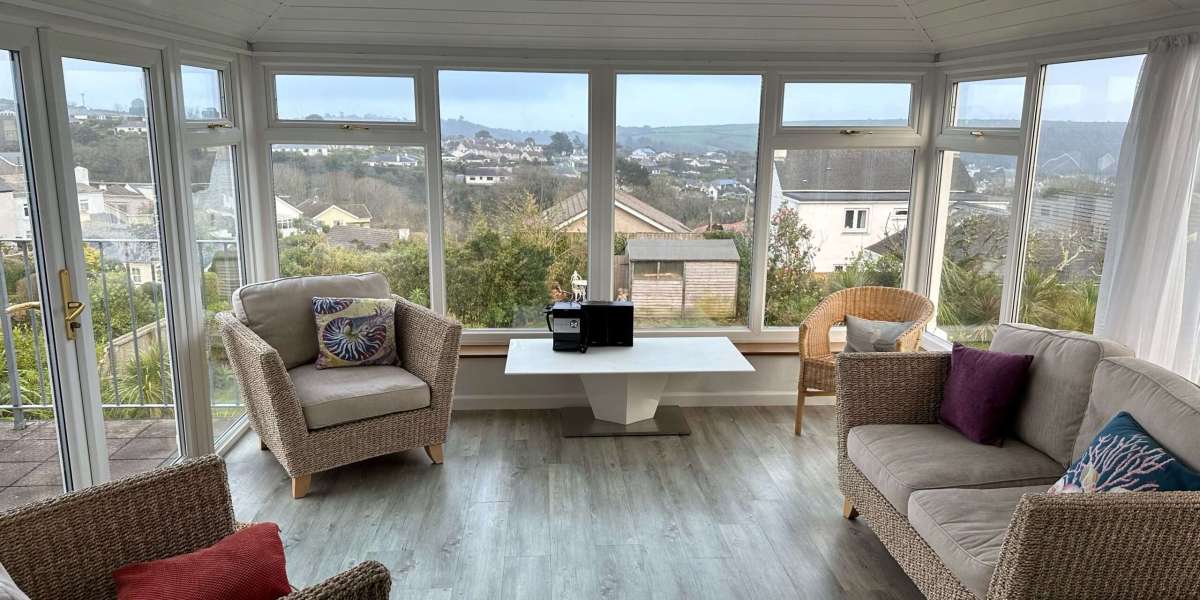

Conservatories have become a popular feature in homes across the Southwest of England, offering a bright, versatile space for relaxation, dining, or working from home. Yet, many homeowners face the same problem: traditional glass or polycarbonate roofs make these spaces difficult to use year-round. Harsh winters leave rooms icy, while summer heat can turn them into ovens. This is where conservatory roof insulation becomes essential—it transforms your conservatory into a comfortable, energy-efficient space, while reducing energy bills and improving overall home value.
From my experience working with homeowners in Devon and Cornwall, the difference that quality insulation makes is remarkable. Even modest improvements in thermal efficiency can drastically increase comfort and usability.
The Problem with Traditional Conservatory Roofs
Most conservatories are fitted with single-pane glass or polycarbonate roofs. While these materials allow plenty of natural light, they provide very little thermal resistance.
Winter: Heat escapes quickly, making the room cold and forcing central heating systems to work harder.
Summer: Rooms overheat due to uncontrolled solar gain, making them uncomfortable without additional cooling solutions.
According to the Energy Saving Trust, uninsulated extensions can increase household energy bills by up to 15%, a significant ongoing cost for many homeowners. Conservatory roof insulation addresses these issues directly, creating a barrier that keeps heat in during winter and out during summer.
Types of Conservatory Roof Insulation
Solid Insulated Roofs
Solid roofs consist of insulated panels and plasterboard lining, providing excellent thermal performance. They not only reduce heat loss but also minimize external noise—a bonus during rainy days, common in the Southwest.
Example: A homeowner in Exeter reported that after installing a solid insulated roof, their conservatory remained comfortable in winter without extra heating, while noise from heavy rain was significantly reduced.
Tiled Insulated Roofs
Tiled roofs offer durability and a traditional aesthetic. Combined with insulation beneath, they prevent heat loss and improve comfort year-round.
Practical tip: Always ensure the roof structure can support the added weight of tiles. Many older conservatories require frame reinforcement before installation.
Hybrid or Glazed Insulated Roofs
Hybrid roofs combine insulated panels with glazing to maintain natural light while improving thermal efficiency. These are ideal if you want the brightness of a classic conservatory without compromising comfort.
Expert insight: Choose panels with low U-values (≤1.4 W/m²K) to ensure maximum energy efficiency.
Planning Your Conservatory Roof Insulation
Proper planning ensures long-term benefits:
Evaluate Your Existing Roof: Identify leaks, heat loss, and condensation issues.
Define Your Goals: Decide if energy savings, comfort, or aesthetics are most important.
Hire Certified Installers: Professional installation guarantees compliance with building regulations.
Budget Realistically: Include materials, labor, optional skylights, and ventilation solutions.
Skipping these steps can result in poor performance and wasted expenditure.
Common Mistakes to Avoid
Ignoring Ventilation: Solid roofs without vents can trap heat and cause condensation.
DIY Installation: Incorrect fitting can compromise insulation efficiency and void warranties.
Choosing the Wrong Material: Not all panels offer the same U-values; research is essential.
Sacrificing Natural Light: Dense roofs without glazing can make the room dark and unwelcoming.
Avoiding these mistakes ensures your conservatory remains both comfortable and energy-efficient.
Real-World Benefits
Upgrading a conservatory roof with insulation offers multiple advantages:
Energy Savings: Reduced need for heating or cooling, lowering utility bills.
Year-Round Comfort: Stable temperatures make the room usable in all seasons.
Noise Reduction: Tiled or solid roofs reduce the sound of rain or wind.
Increased Property Value: Well-insulated extensions are appealing to buyers in Southwest England.
For example, a homeowner in Plymouth installed a hybrid insulated roof. Their previously underused conservatory became a central family space, with energy bills reduced by nearly 10% during the first winter.
Expert Tips for Maximum Efficiency
Combine insulation with high-performance double or triple glazing for the best results.
Use roof vents or trickle windows to prevent condensation while retaining heat.
Opt for professional installation—especially for heavier roofs like tiled solutions.
Choose low U-value materials for panels and glazing.
Conclusion
Investing in conservatory roof insulation is more than a comfort upgrade—it’s a strategic decision for energy efficiency, long-term savings, and property value. Proper planning, professional installation, and choosing the right material ensure your conservatory becomes a versatile, usable space throughout the year.