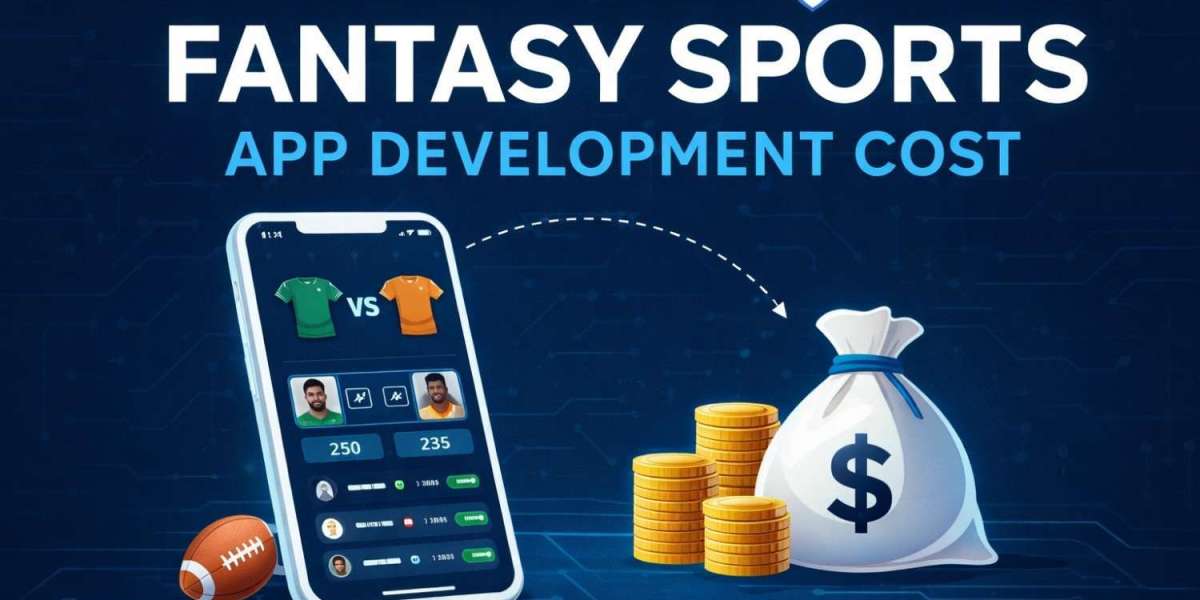

Fantasy sports platforms create an engaging environment where users combine sports knowledge with strategic gameplay. The growing demand for real-time sports engagement has made fantasy sports apps a highly profitable business opportunity.
For startups, launching a fantasy sports platform offers several advantages:
Strong user engagement during sports seasons
Multiple revenue streams through entry fees and in-app purchases
High retention due to competitive gameplay
Opportunities for partnerships with sports brands and advertisers
Because of these benefits, many entrepreneurs are exploring fantasy sports app development as a scalable digital business model.
Key Factors That Influence Fantasy Sports App Development Cost
The overall development investment depends on several technical and business factors. Understanding these elements helps startups plan their project effectively.
App Features and Functionality
The complexity of features plays a major role in determining development effort. Basic fantasy sports apps may include essential functionalities, while advanced platforms integrate AI analytics, real-time statistics, and multiple game formats.
Common features include:
User registration and authentication
Team creation and player selection
Real-time match updates and scoring
Contest management system
Leaderboards and rankings
Secure payment integration
Push notifications and alerts
The more advanced the features, the higher the development effort required.
Platform Selection
Startups must decide whether the fantasy sports app will be developed for:
Android
iOS
Web platforms
Cross-platform applications
Building for multiple platforms expands the user base but also increases development complexity. Many startups choose cross-platform frameworks to streamline development and maintain consistent performance.
UI/UX Design
User experience is one of the most important factors in fantasy sports applications. A well-designed interface ensures users can easily create teams, join contests, and track live scores without confusion.
Professional UI/UX design includes:
Intuitive navigation
Real-time game dashboards
Player statistics display
Interactive contest screens
Smooth onboarding experience
A well-crafted design significantly improves user retention and engagement.
Real-Time Data Integration
Fantasy sports platforms rely heavily on real-time sports data. Integrating reliable sports APIs ensures that player statistics, match results, and scoring updates appear instantly inside the app.
Real-time data integration requires:
Sports data APIs
High-performance backend infrastructure
Automated scoring algorithms
Efficient data processing ensures accurate gameplay and a seamless user experience.
Backend Infrastructure
The backend system powers the entire fantasy sports ecosystem. It handles user accounts, contest management, payments, and live game updates.
Key backend components include:
Scalable cloud infrastructure
Secure database management
Admin control panels
Payment processing systems
Anti-fraud mechanisms
A strong backend architecture ensures platform stability even during high traffic events like major tournaments.
Security and Compliance
Fantasy sports platforms handle sensitive user information and financial transactions. Therefore, strong security measures are essential.
Security features include:
Encrypted payment gateways
Secure user authentication
Data protection protocols
Fraud detection systems
Compliance with regional gaming regulations is also necessary to operate legally in different markets.
Development Team and Technology Stack
The expertise of the development team plays a crucial role in building a high-performance fantasy sports platform. A typical development team may include:
Project managers
UI/UX designers
Mobile app developers
Backend developers
QA testers
DevOps engineers
Using modern technologies and scalable frameworks ensures the app performs smoothly even as the user base grows.
Development Stages of a Fantasy Sports App
Fantasy sports app development usually follows a structured process to ensure quality and performance.
1. Market Research and Planning
Analyzing competitors, defining the target audience, and planning the business model.
2. UI/UX Design
Creating wireframes and user interface designs that offer smooth gameplay and intuitive navigation.
3. App Development
Developing frontend interfaces, backend systems, and integrating real-time sports data.
4. Testing and Quality Assurance
Conducting performance testing, security checks, and bug fixes.
5. Deployment and Launch
Publishing the app on app stores and preparing the infrastructure for live users.
6. Maintenance and Updates
Continuous updates, feature improvements, and system monitoring after launch.
How Startups Can Optimize Development Investment
Startups can reduce development complexity and accelerate their launch by following a strategic approach:
Start with a Minimum Viable Product (MVP)
Focus on essential features first
Choose scalable technology stacks
Work with experienced fantasy sports developers
Plan long-term feature upgrades
Launching with an MVP allows startups to test market demand and gradually expand the platform with advanced features.
Final Thoughts
Fantasy sports platforms continue to attract millions of users who enjoy combining sports knowledge with competitive gameplay. For startups entering this space, understanding the factors that influence fantasy sports app development cost is essential for making informed decisions.
By focusing on scalable architecture, user-friendly design, real-time data integration, and strong security, startups can build a powerful fantasy sports platform capable of attracting and retaining a large user base.
With the right strategy and experienced development partner, launching a successful fantasy sports app can become a highly rewarding digital business opportunity.