
Maintaining strong teeth and healthy gums requires consistent care and preventive treatments. Among the most effective preventive solutions available in modern dentistry are dental sealants. These protective coatings are designed to safeguard teeth from decay, especially in areas that are difficult to clean with regular brushing and flossing. By creating a protective barrier over the grooves of teeth, dental sealants help prevent bacteria and food particles from settling in places where cavities often begin.
In recent years, many dental professionals have recommended dental sealants as a simple yet powerful way to support long term oral health. They are commonly applied to molars and premolars because these teeth contain deep pits and fissures where plaque can accumulate. When applied correctly, sealants can provide protection for many years and significantly reduce the risk of tooth decay. Understanding their benefits can help individuals make informed decisions about preventive dental care.
Understanding Dental Sealants
What Are Dental Sealants
Dental sealants are thin protective coatings made from safe dental materials that are applied to the chewing surfaces of back teeth. These surfaces often contain small grooves and pits that can trap food particles and bacteria. Even with regular brushing, these areas can be difficult to clean thoroughly.
Once applied, the sealant bonds with the tooth surface and forms a protective shield. This barrier prevents harmful bacteria and acids from attacking the tooth enamel. As a result, the tooth becomes less vulnerable to cavities and decay.
The application process is quick, painless, and non invasive. Most treatments can be completed during a routine dental visit. Because of their protective qualities, dental sealants are considered one of the most effective preventive dental treatments available today.
How Dental Sealants Work
Dental sealants work by filling in the natural grooves and depressions found on the chewing surfaces of molars. These grooves can be deep and narrow, making them ideal hiding spots for bacteria and food debris.
When the sealant material is applied, it flows into these tiny grooves and hardens to create a smooth protective layer. This layer blocks out bacteria, plaque, and food particles that could otherwise lead to decay.
The protective coating also makes the tooth surface smoother and easier to clean during brushing. Over time, this simple barrier plays a major role in reducing the chances of cavities and maintaining long term oral health.
Key Benefits of Dental Sealants
Strong Protection Against Cavities
One of the most important benefits of dental sealants is their ability to protect teeth from cavities. The grooves on molars are particularly vulnerable to decay because they can trap food and bacteria easily.
Sealants act as a shield that prevents these harmful elements from settling into the tooth surface. By blocking out bacteria and plaque, sealants significantly reduce the risk of cavities developing in these areas.
Many studies have shown that sealants can lower the risk of tooth decay in molars by a large percentage. This protective effect makes them an important part of preventive dental care.
Long Lasting Preventive Solution
Dental sealants are known for their durability and long lasting protection. Once applied, they can remain effective for several years with proper care and regular dental checkups.
Dental professionals usually examine sealants during routine visits to ensure they remain intact. If necessary, they can be repaired or replaced easily without any discomfort.
Because they provide protection for such an extended period, sealants offer a reliable way to maintain healthy teeth over time. This long term benefit makes them a valuable preventive measure for individuals of all ages.
Simple and Pain Free Procedure
Another advantage of dental sealants is the simplicity of the procedure. The application process does not require drilling, injections, or removal of tooth structure.
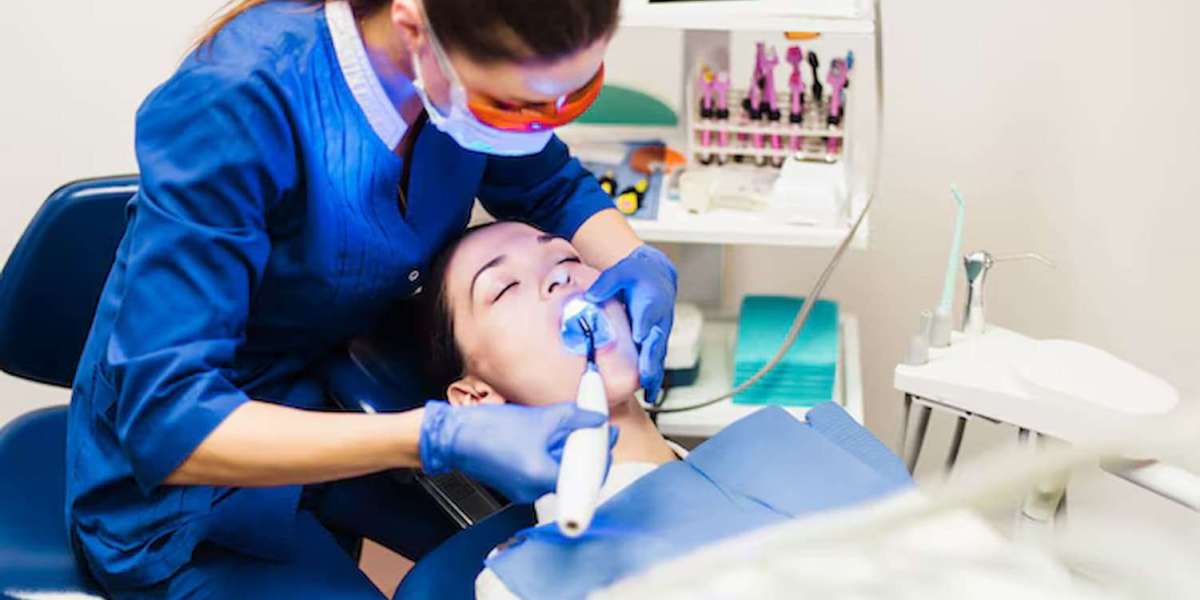
First, the tooth is cleaned thoroughly to remove plaque and debris. Then a special solution is applied to prepare the surface so the sealant can bond effectively. After that, the sealant material is painted onto the tooth and hardened using a special light.
The entire process is quick and comfortable, making it suitable for children and adults alike. Patients can usually resume normal activities immediately after the treatment.
Cost Effective Preventive Care
Preventing dental problems is often more affordable than treating them after they develop. Dental sealants offer a cost effective way to reduce the risk of cavities and avoid more complex dental procedures.
Treatments such as fillings, crowns, or root canals can become necessary when decay is not prevented. By protecting teeth early, sealants help reduce the likelihood of these treatments.
Because sealants can last for several years, they provide long term value and protection. Investing in preventive treatments like sealants can help individuals save money while maintaining healthy teeth.
Who Can Benefit from Dental Sealants
Children and Teenagers
Children and teenagers are among the most common candidates for dental sealants. Their newly erupted permanent molars often contain deep grooves that are difficult to clean properly.
Applying sealants early helps protect these teeth during the years when cavities are most likely to develop. Since young individuals may still be developing consistent oral hygiene habits, sealants provide an additional layer of protection.
This preventive approach helps ensure that permanent teeth remain strong and healthy as children grow older.
Adults with Deep Tooth Grooves
Although dental sealants are often associated with children, adults can also benefit from them. Many adults have molars with deep grooves that can trap plaque and bacteria.
If these teeth are free of decay or fillings, sealants can be applied to help prevent future cavities. This is especially beneficial for individuals who are prone to tooth decay or who want to strengthen their preventive dental care routine.
By sealing vulnerable areas, adults can reduce the chances of dental problems and maintain better oral health.
Individuals Prone to Cavities
Some individuals naturally experience more dental decay than others. Factors such as diet, oral hygiene habits, and saliva composition can increase the risk of cavities.
For people who frequently develop cavities, dental sealants provide an added layer of defense. The protective coating helps prevent bacteria from reaching the vulnerable parts of the tooth surface.
In combination with regular brushing, flossing, and dental checkups, sealants contribute to stronger and healthier teeth.
The Dental Sealant Application Process
Preparing the Tooth Surface
The first step in applying dental sealants is preparing the tooth surface. The dental professional carefully cleans the tooth to remove plaque, food particles, and bacteria.
After cleaning, the tooth is dried thoroughly to ensure proper bonding. A special conditioning solution may be applied to slightly roughen the enamel surface.
This preparation step helps the sealant adhere securely to the tooth and remain effective for a longer period.
Applying the Sealant Material
Once the tooth surface is prepared, the sealant material is applied directly onto the grooves of the tooth. The liquid material flows into the pits and fissures, covering the vulnerable areas completely.
After application, a special curing light is used to harden the sealant. This process creates a durable protective layer that bonds with the tooth enamel.
The final result is a smooth surface that prevents bacteria and food particles from entering the deep grooves of the tooth.
Final Evaluation
After the sealant has hardened, the dental professional checks the tooth to ensure the coating is properly placed. The patient may be asked to bite down to confirm that the sealant does not interfere with normal chewing.
If any adjustments are necessary, they can be made quickly and comfortably. Once the evaluation is complete, the tooth is ready to function normally.
Patients can return to eating and drinking shortly after the procedure, making it a convenient preventive treatment.
Maintaining Dental Sealants for Long Term Protection
Practicing Good Oral Hygiene
Even though dental sealants provide strong protection, maintaining good oral hygiene remains essential. Brushing twice a day and flossing daily help remove plaque and bacteria from other parts of the teeth.
Regular oral hygiene routines support the effectiveness of sealants and keep the entire mouth healthy. Using fluoride toothpaste can further strengthen tooth enamel.
Consistent care ensures that sealants continue to protect teeth effectively over time.
Regular Dental Checkups
Routine dental visits play an important role in maintaining dental sealants. During these visits, dental professionals examine the condition of the sealants to ensure they remain intact.
If any sealant shows signs of wear or damage, it can be repaired or replaced easily. This maintenance helps extend the protective benefits of the treatment.
Regular checkups also allow early detection of potential dental issues before they become serious problems.
Avoiding Habits That Damage Teeth
Certain habits can affect the longevity of dental sealants. Chewing on hard objects such as ice or using teeth to open packages may damage both teeth and sealants.
Avoiding these habits helps preserve the protective coating and maintain strong tooth structure. A balanced diet and proper oral care also contribute to the durability of sealants.
By taking these precautions, individuals can enjoy long lasting protection from their sealants.
Conclusion
Dental sealants play an important role in preventive dentistry by protecting vulnerable tooth surfaces from cavities and decay. Their ability to seal deep grooves and block bacteria makes them an effective solution for maintaining long term oral health. The procedure is simple, painless, and suitable for individuals of different age groups. With proper care and regular dental checkups, sealants can provide reliable protection for many years and help reduce the need for more complex dental treatments.
Patients seeking preventive dental care and long lasting protection for their teeth can benefit from professional guidance and treatment at Clove Dental santa monica.
Click here to discover advanced dental treatments in Santa Monica.