
And at the center of that planning sits a material most people hardly think about—cement.
It’s not glamorous. No one walks past a building and says, “Wow, that cement looks amazing.” But behind every sturdy structure—homes, bridges, office towers—cement plays a silent but essential role. Without it, modern construction simply doesn’t exist.
What’s changing lately isn’t the cement itself. It’s how builders are buying it.
Over the past few years, contractors and project managers have begun rethinking their approach to cement procurement. The shift isn’t dramatic, but it’s meaningful. It reflects a broader change in how the construction industry thinks about efficiency, reliability, and planning.
Construction Today Moves Faster Than It Used To
Anyone who’s spent a decade or more in construction will tell you that projects feel different today. Deadlines are tighter. Budgets are scrutinized more closely. Clients expect quicker results.
There’s less room for delays.
Years ago, if a shipment of materials arrived a day late, it might have been inconvenient but manageable. Now that same delay can ripple through an entire project timeline. Workers wait around, equipment sits idle, and suddenly the schedule begins to slip.
Cement shortages are particularly frustrating because they stop progress immediately. You can’t pour concrete without cement—it’s that simple.
Because of this, many builders are becoming far more strategic about how they secure their supply.
Technology Is Slowly Changing How Materials Are Bought
One of the most noticeable shifts in recent years has been the gradual move toward digital procurement. It’s not happening everywhere at once, but it’s gaining momentum.
More contractors are experimenting with online cement purchases as a way to streamline their ordering process.
At first glance, buying cement online might seem odd. Construction has always been a relationship-driven industry where suppliers and contractors know each other personally. Phone calls and handshake agreements were the norm.
But convenience is hard to ignore.
Online platforms allow contractors to check availability, compare prices, and schedule deliveries in just a few minutes. For project managers juggling multiple tasks—permits, workforce coordination, site inspections—that kind of efficiency can be a real relief.
There’s also a transparency factor. Digital platforms often show multiple suppliers at once, which helps buyers understand market pricing more clearly.
Still, it’s worth noting that technology hasn’t replaced traditional supplier relationships. In many cases, it simply complements them.
The Quiet Rise of Larger Cement Orders
Alongside digital purchasing, another trend is quietly gaining ground in the construction world: bulk cement ordering.
Instead of buying smaller quantities repeatedly throughout a project, many contractors now prefer to secure larger amounts of cement in advance.
Why? Well, for one thing, it reduces uncertainty.
Construction projects involve dozens of moving parts—labor schedules, machinery availability, weather conditions, regulatory inspections. The last thing project managers want is to add supply shortages to that list.
Ordering cement in bulk helps ensure the material will be available when needed. It also simplifies logistics. Fewer deliveries mean fewer scheduling complications.
Then there’s the cost factor. Suppliers often offer discounts for larger purchases, especially when contractors commit to long-term projects. Over the course of a big development, those savings can be surprisingly significant.
The Logistics Behind Cement Storage
Of course, buying cement in large quantities introduces a practical challenge: where to store it.
Cement is highly sensitive to moisture. If it absorbs too much humidity from the air, it can begin to harden before it’s ever mixed into concrete. That’s obviously a problem.
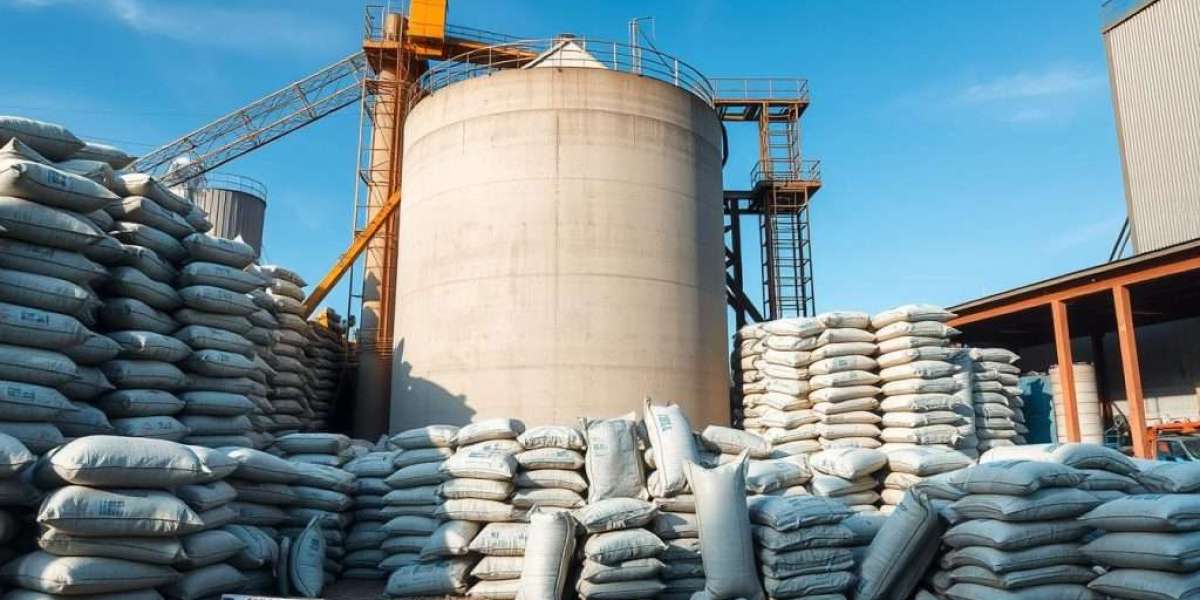
To prevent this, many construction sites use specialized storage solutions. Sealed silos, covered warehouses, and moisture-resistant containers are common options. These systems protect the cement while keeping it easily accessible when workers need it.
Project managers often coordinate deliveries carefully so storage space isn’t overwhelmed. It’s a balancing act—too little cement can stall work, but too much can create logistical headaches.
Experienced contractors tend to develop a good instinct for this kind of planning over time.
Why Reliable Suppliers Still Matter
Even with all the new technology and procurement strategies emerging, one thing hasn’t changed: the importance of trustworthy suppliers.
Construction projects rely heavily on reliable material deliveries. When suppliers consistently meet their deadlines, they become invaluable partners in the building process.
Contractors often develop long-term relationships with suppliers who understand their schedules and project requirements. These partnerships can last for years, sometimes decades.
A dependable supplier doesn’t just deliver cement—they help solve problems. If a project suddenly needs additional materials or an urgent shipment, trusted suppliers are often willing to adjust their schedules to help.
That kind of cooperation can make a huge difference when construction timelines become tight.
Small Improvements Add Up Over Time
From the outside, the changes happening in cement procurement might seem minor. Bulk ordering here, digital purchasing there—nothing revolutionary.
But in construction, small improvements often create big results.
Better planning reduces delays. Reliable deliveries keep workers productive. Efficient purchasing strategies help control project costs.
When these factors come together, they make the entire construction process smoother.
It’s similar to maintaining a well-run kitchen. The chef might get the credit for the final dish, but behind the scenes there’s a carefully organized system ensuring ingredients are always available at the right time.
Construction works the same way.
Looking Ahead at a More Efficient Industry
The construction industry has a reputation for being slow to change. In some ways that’s true. Buildings require stability and proven methods, so experimentation tends to happen cautiously.
But gradual improvements are still happening.
Contractors are becoming more thoughtful about how they source materials. Suppliers are investing in better logistics systems. Technology is introducing new tools that make procurement easier and more transparent.
Cement, despite its humble appearance, sits right at the center of these developments.
Because when cement arrives exactly when it’s needed—when supply chains work smoothly and materials are properly planned—the entire project benefits.
Workers stay productive. Deadlines stay realistic. Budgets stay under control.
And the next time someone walks past a construction site and hears that familiar rhythm of work in progress, they probably won’t think about the logistics behind it.
But somewhere in the background, a well-timed cement delivery is quietly helping that building rise.