
Not too long ago, most contractors relied on small purchases from local suppliers. Bags were bought when needed, sometimes daily. It worked, but it wasn’t always efficient. Delays happened. Prices fluctuated. And occasionally, a project slowed down simply because cement didn’t arrive on time.
Today, however, many builders are turning toward a smarter and more organized approach: cement bulk orders. It’s a small shift in purchasing strategy, but the impact on construction efficiency can be surprisingly large.
The Changing Needs of Modern Construction
Modern construction projects move fast. Deadlines are tighter than they used to be, labor costs have increased, and project managers are expected to keep everything running smoothly. Even a minor delay in material delivery can throw off an entire timeline.
Think about a large housing development, for instance. Dozens of workers might be waiting for concrete mixing to begin. If cement supply runs out, everything pauses — equipment sits idle, labor time gets wasted, and the project budget quietly starts creeping upward.
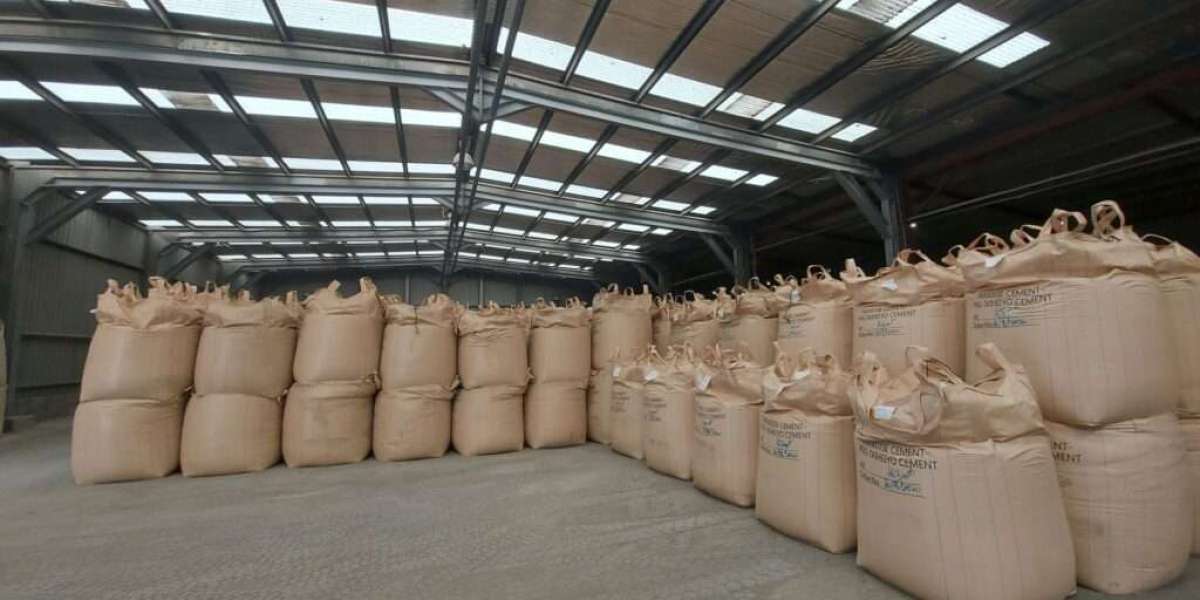
This is exactly why many construction companies are shifting toward more structured purchasing strategies. Bulk ordering allows them to secure large quantities of cement in advance, reducing the risk of sudden shortages. It’s not just about buying more — it’s about buying smarter.
Another subtle benefit is price stability. When cement is purchased in larger volumes, suppliers often offer better rates. Over the course of a long-term project, that difference can translate into significant savings.
Why Contractors Prefer Buying Cement in Bulk
There’s something reassuring about knowing that essential materials are already secured before the next phase of construction begins. Bulk purchasing creates that sense of stability.
Contractors who buy cement in larger quantities often notice several practical advantages:
First, logistics become simpler. Instead of coordinating multiple small deliveries, project managers can plan fewer but larger shipments. That reduces transportation complications and minimizes interruptions at the site.
Second, storage becomes more predictable. Construction sites usually allocate space for material storage anyway, and bulk deliveries can be scheduled according to the site’s capacity.
And finally — perhaps most importantly — bulk ordering supports better project planning. When materials are guaranteed to be available, teams can focus on their actual work rather than worrying about supply issues.
For growing construction businesses, this approach simply makes operations smoother.
The Importance of Reliable Supply Chains
Anyone who has worked in construction long enough knows that delays rarely come from a single source. Sometimes it’s weather. Sometimes it’s transportation. And sometimes it’s the supply chain itself.
Cement manufacturers and suppliers have recognized this challenge, which is why many now focus heavily on ensuring a consistent supply of cement in order for contractors and builders. It sounds simple, but maintaining that reliability requires coordination between manufacturers, distributors, and transportation networks.
Reliable supply chains matter more than most people realize. If cement arrives late, workers wait. When workers wait, the project slows. And when projects slow, budgets stretch.
The best suppliers understand this chain reaction and work hard to prevent it. They maintain stock levels, plan deliveries carefully, and communicate with contractors about schedules and availability.
In other words, the goal is simple: make sure cement is always there when the project needs it.
Online Ordering Is Changing the Game
Another interesting development in the cement industry is the rise of online purchasing platforms. A decade ago, buying construction materials online would have sounded unusual. Today, it’s becoming fairly normal.
Contractors can compare suppliers, check prices, review delivery timelines, and place orders — all without leaving their office or job site.
This convenience doesn’t just save time; it also introduces more transparency into the process. Buyers can evaluate multiple suppliers before making a decision, which helps them find better deals and more reliable partners.
Digital systems also allow suppliers to track orders more efficiently. Delivery schedules, payment records, and inventory levels can all be managed through integrated platforms. For busy construction teams, that kind of organization can make a noticeable difference.
Of course, traditional supplier relationships still matter. Many contractors prefer working with partners they trust. But technology is quietly reshaping how those partnerships function.
Planning Ahead Makes Projects Run Smoother
If there’s one lesson that experienced builders often repeat, it’s this: preparation solves half the problems before they happen.
Cement purchasing might seem like a small part of the construction process, yet it plays a major role in overall efficiency. When materials arrive exactly when they’re needed, work flows naturally from one stage to the next.
Bulk ordering supports that rhythm. It reduces the number of last-minute purchases, minimizes supply disruptions, and helps contractors maintain consistent progress on their sites.
There’s also a psychological advantage. Teams feel more confident when they know materials are already secured. Instead of reacting to shortages, they can focus on planning the next steps of the project.
And in construction, that sense of momentum matters.
Looking Ahead: Smarter Material Management
The construction industry is always evolving, even if the changes happen quietly. New building technologies appear, environmental standards improve, and supply chains become more efficient.
Material management is part of that evolution.
Builders are becoming more strategic about how they purchase, store, and schedule essential materials like cement. Bulk ordering, improved supplier coordination, and digital ordering systems are all pieces of the same puzzle.
None of these changes are dramatic on their own. But together, they create a more reliable and efficient construction environment.
At the end of the day, cement might seem like just another gray powder on a construction site. Yet behind every strong building is a carefully planned system that ensures the right materials arrive at the right moment.
And sometimes, the difference between a delayed project and a successful one simply comes down to how well those materials were ordered in the first place.