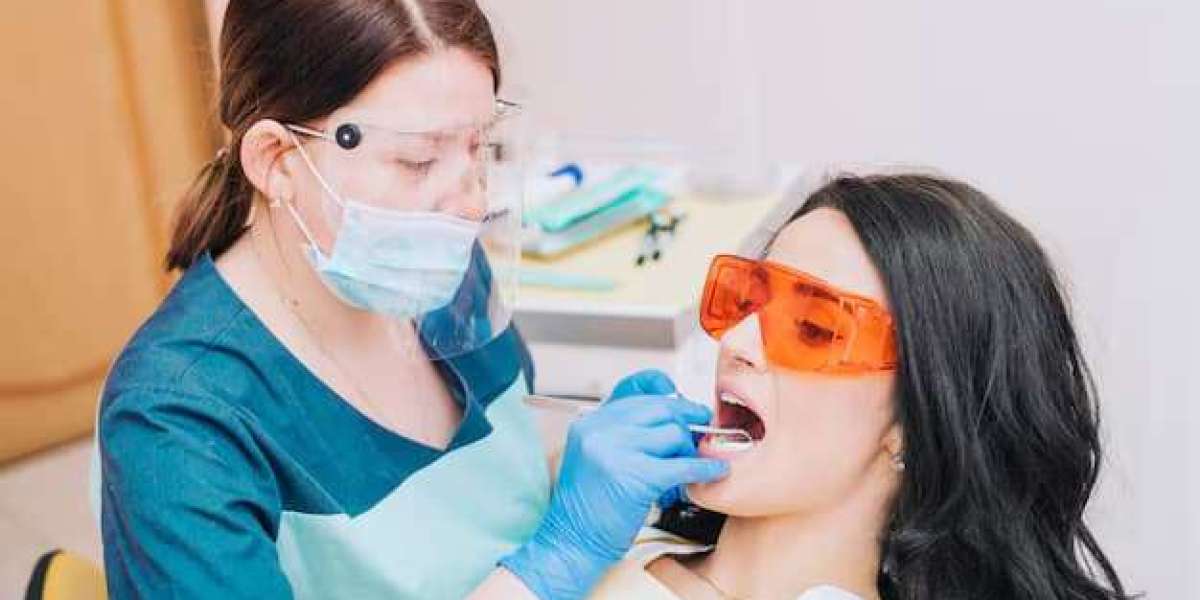

A beautiful smile often plays an important role in shaping a person’s confidence and overall appearance. Small imperfections such as chipped teeth, minor gaps, discoloration, or uneven edges can make individuals feel self conscious about their smile. Modern cosmetic dentistry offers several treatments to address these concerns effectively. Among these options, cosmetic dental bonding has become one of the most popular procedures for improving the appearance of teeth quickly and conservatively.
This treatment involves applying a tooth colored composite resin to the surface of a tooth to repair damage or enhance its appearance. The material is carefully shaped and polished so that it blends naturally with surrounding teeth. Patients who consider cosmetic dental bonding often appreciate that it is minimally invasive, affordable, and capable of delivering noticeable improvements in a single dental visit.
Understanding Cosmetic Dental Bonding
What Is Cosmetic Dental Bonding
Cosmetic dental bonding is a cosmetic dental procedure designed to enhance the appearance of teeth by applying a tooth colored resin material to their surface. The composite resin used in the procedure closely resembles natural tooth enamel in both color and texture. Dentists carefully mold and sculpt the material so that it blends seamlessly with the surrounding teeth.
This treatment is commonly used to repair minor imperfections such as chips, cracks, small gaps, or uneven tooth shapes. Once the resin is applied, it is hardened with a special curing light and polished to achieve a natural finish. Cosmetic dental bonding provides patients with a fast and effective way to restore the appearance of their teeth while maintaining their natural structure.
Why Cosmetic Dental Bonding Is Popular
Many patients choose cosmetic dental bonding because it is a conservative dental treatment that preserves most of the natural tooth structure. Unlike more complex procedures such as crowns or veneers, bonding typically requires minimal preparation of the tooth. This makes it a comfortable option for patients seeking cosmetic improvements without extensive dental work.
Another reason cosmetic dental bonding is widely recommended is the speed of the procedure. In most cases, dentists can complete the treatment in a single appointment. This allows patients to achieve a more attractive smile quickly while avoiding the multiple visits often required for other cosmetic dental treatments.
Common Issues Treated with Cosmetic Dental Bonding
Repairing Chipped or Cracked Teeth
Small chips or cracks in teeth can occur due to accidents, biting hard foods, or general wear over time. Even minor damage can affect the overall appearance of a smile. Cosmetic dental bonding is frequently used to restore the original shape and contour of teeth that have experienced minor damage.
During the procedure, the dentist applies composite resin to the affected area and carefully shapes it to match the natural structure of the tooth. The bonded material blends smoothly with the surrounding enamel, making the repair nearly invisible. Cosmetic dental bonding helps restore both the appearance and function of chipped or cracked teeth.
Closing Gaps and Reshaping Teeth
In addition to repairing damage, cosmetic dental bonding can also improve the shape and alignment of teeth. Some individuals have small gaps between teeth or slightly uneven tooth edges that affect the balance of their smile. Bonding allows dentists to reshape the tooth by adding small amounts of composite resin to specific areas.
This technique helps create a more symmetrical and harmonious smile. Cosmetic dental bonding is particularly useful for patients who want to enhance the appearance of their teeth without undergoing orthodontic or restorative treatments. The result is a smoother, more balanced smile that looks natural and attractive.
The Cosmetic Dental Bonding Procedure
Initial Consultation and Planning
The cosmetic dental bonding process usually begins with a consultation where the dentist evaluates the patient’s teeth and discusses their aesthetic goals. During this appointment, the dentist examines the teeth to determine whether bonding is the most suitable solution for the patient’s concerns.
If cosmetic dental bonding is recommended, the dentist selects a composite resin shade that closely matches the natural color of the patient’s teeth. This careful color matching ensures that the bonded material blends seamlessly with the surrounding teeth and produces a natural looking result.
Steps Involved in the Procedure
During the procedure, the dentist prepares the tooth surface by gently roughening it and applying a conditioning liquid. This preparation helps the composite resin adhere securely to the tooth. The resin is then applied, shaped carefully, and molded to create the desired appearance.
Once the dentist is satisfied with the shape and contour of the bonding material, a special curing light is used to harden the resin. The tooth is then polished to create a smooth and glossy finish. Cosmetic dental bonding usually takes between thirty minutes and one hour per tooth, depending on the complexity of the treatment.
Benefits of Cosmetic Dental Bonding
Quick and Noticeable Results
One of the most significant advantages of cosmetic dental bonding is the immediate improvement it provides. Patients can often see visible changes in the appearance of their smile immediately after the procedure. Minor flaws such as chips, gaps, or uneven edges can be corrected quickly and effectively.
The treatment is particularly appealing to individuals who want fast cosmetic results without undergoing lengthy dental procedures. Cosmetic dental bonding offers a practical solution for enhancing the smile with minimal discomfort and downtime.
Conservative and Affordable Treatment
Another major benefit of cosmetic dental bonding is that it is considered a conservative dental treatment. Because the procedure requires little removal of natural tooth enamel, the original structure of the tooth remains largely intact. This helps maintain the strength and health of the tooth.
In addition to being conservative, cosmetic dental bonding is also more affordable than many other cosmetic dental procedures. Treatments such as veneers or crowns often involve higher costs and more complex preparation. Bonding provides an effective alternative for patients seeking aesthetic improvements at a lower cost.
Caring for Teeth After Cosmetic Dental Bonding
Maintaining Good Oral Hygiene
Maintaining proper oral hygiene is essential for preserving the results of cosmetic dental bonding. Patients are encouraged to brush their teeth twice daily with a soft bristled toothbrush and fluoride toothpaste. Flossing regularly also helps remove plaque and food particles from between the teeth.
Practicing good oral hygiene helps prevent staining and protects the bonded material from damage. Patients who follow these habits are more likely to maintain the appearance and durability of their cosmetic dental bonding for many years.
Avoiding Habits That Can Damage Bonding
Although bonding materials are durable, they are not as strong as natural tooth enamel or some restorative materials. Patients are advised to avoid biting hard objects such as ice, pens, or fingernails, as these habits can chip or weaken the bonding material.
Limiting foods and beverages that cause staining, such as coffee or red wine, may also help maintain the appearance of bonded teeth. Regular dental checkups allow dentists to monitor the condition of the bonding and perform touch ups if necessary.
Who Is an Ideal Candidate for Cosmetic Dental Bonding
Patients with Minor Cosmetic Concerns
Cosmetic dental bonding is best suited for individuals who want to correct minor cosmetic imperfections in their teeth. Patients with small chips, slight gaps, mild discoloration, or uneven tooth edges often benefit the most from this treatment.
Because the procedure is minimally invasive, it is ideal for patients who want to enhance their smile without extensive dental work. Cosmetic dental bonding offers an efficient solution for improving the appearance of teeth while maintaining their natural structure.
Long Term Smile Enhancement
While bonding may not last as long as some other cosmetic dental restorations, it can still provide long lasting improvements when properly maintained. Many patients enjoy the benefits of cosmetic dental bonding for several years before needing minor repairs or touch ups.
With proper care and regular dental visits, bonded teeth can remain attractive and functional for an extended period. This makes cosmetic dental bonding a reliable option for patients seeking an accessible and effective cosmetic dental treatment.
Conclusion
Cosmetic dental bonding is a versatile and effective solution for improving the appearance of teeth and achieving a more confident smile. By applying a tooth colored composite resin to repair chips, close gaps, and reshape uneven teeth, dentists can create natural looking results with minimal alteration to the tooth structure.
The procedure is quick, comfortable, and often completed in a single dental visit, making it an appealing option for many patients. With proper oral hygiene and regular dental checkups, the results of cosmetic dental bonding can last for years and continue to enhance the appearance of a patient’s smile. For those seeking professional cosmetic dental care and expert bonding treatments, services are available at Clove Dental Beverly Hills.