
The United Arab Emirates is home to some of the world’s most advanced infrastructure, including international airports, major seaports, oil and gas facilities, government institutions, and large commercial zones. With such high-value assets and constant movement of vehicles, maintaining strong security at entry points is a top priority.
Security threats can emerge in many forms, and vehicles are often considered one of the most common risk vectors. While most facilities already conduct standard vehicle checks, one critical area that often requires specialized attention is the underside of vehicles. Hidden objects or unauthorized modifications beneath vehicles can pose serious security threats if not detected in time.
For this reason, operators managing high-security locations in the UAE must adopt effective underbody inspection strategies to ensure comprehensive vehicle screening.
Why Underbody Threats Are Difficult to Detect
The underside of a vehicle is naturally concealed from normal sight, making it one of the easiest places to hide suspicious objects or devices. Traditional vehicle inspection methods usually involve security personnel using mirrors or performing manual visual checks.
Although this method has been used for years, it comes with several limitations. Manual inspections are time-consuming and may not always provide a complete view of the vehicle’s undercarriage. Poor lighting conditions, heavy traffic, and human fatigue can further reduce the effectiveness of such inspections.
In busy locations such as logistics hubs or government complexes, security teams must process a high volume of vehicles every day. Relying entirely on manual inspections in such environments increases the chances of missing potential threats.
Because of these risks, modern facilities are increasingly adopting advanced technologies designed specifically for underbody threat detection.
Types of Underbody Threats Security Teams Must Watch For
Security operators in the UAE should be aware of the different types of threats that can be concealed beneath vehicles. These threats can range from small hidden packages to larger mechanical alterations.
Some common examples include:
Explosive devices attached to vehicle frames
Hidden contraband or smuggled materials
Unauthorized tracking devices
Structural modifications designed to conceal items
Suspicious packages attached near axles or exhaust systems
Detecting these threats early is essential for preventing security incidents. This is especially important in locations that handle sensitive operations or large numbers of visitors.
The Role of Technology in Modern Vehicle Inspections
Technology is transforming the way security teams perform vehicle inspections. Instead of relying only on manual searches, modern systems now use high-resolution imaging and automated scanning tools to examine the underside of vehicles in real time.
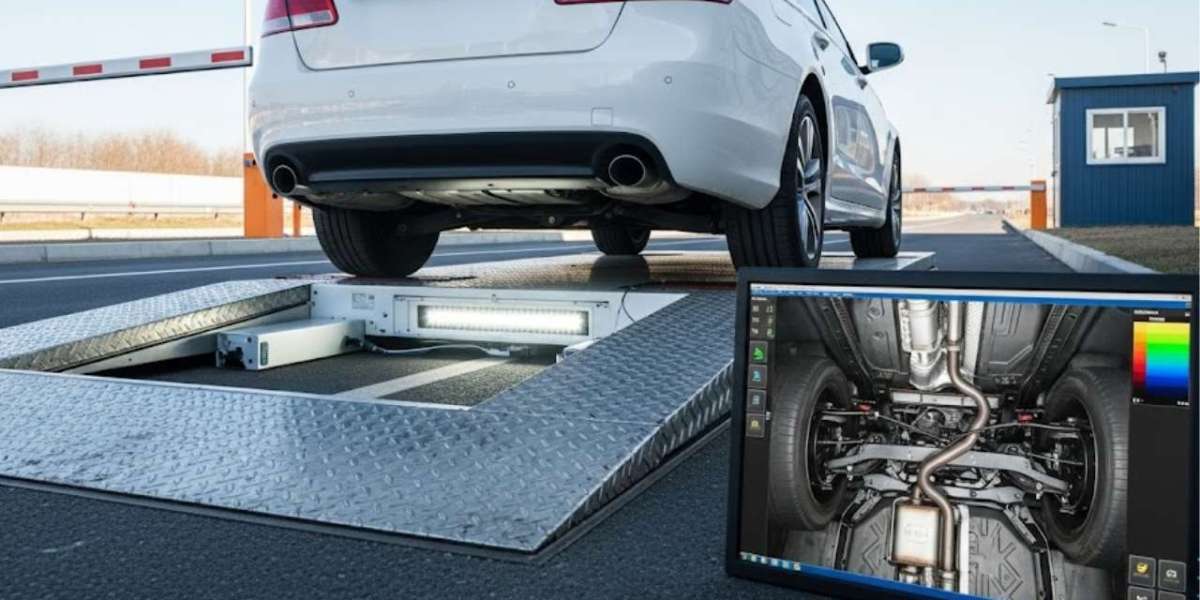
These systems are installed at checkpoints where vehicles naturally slow down or stop. As a vehicle passes over the scanning platform, cameras capture detailed images of its undercarriage. The images are immediately displayed on monitoring screens where security personnel can examine them for suspicious objects.
Advanced systems can also store vehicle images in databases, allowing operators to compare new scans with previous records. This feature helps identify unusual changes or anomalies that may indicate potential threats.
By combining automated scanning with trained security personnel, facilities can achieve a much higher level of inspection accuracy.
Strengthening Security with Automated Monitoring
Automated monitoring tools are particularly valuable for high-traffic facilities. They allow security teams to inspect vehicles quickly without disrupting traffic flow.
One of the most effective technologies used for this purpose is the Under Vehicle Surveillance System, which captures high-definition images of the underside of vehicles as they pass through checkpoints. These images provide a clear and detailed view that would be extremely difficult to achieve with manual inspection tools.
Security operators can review these images in real time and identify objects that appear unusual or out of place. Some systems also use software algorithms to highlight anomalies automatically, helping security teams focus on potential threats more efficiently.
This combination of automation and human analysis significantly improves the reliability of vehicle inspections.
Key Locations Where Underbody Inspection Is Essential
In the UAE, underbody inspection technologies are particularly valuable in facilities where security risks are high. Several types of locations can benefit greatly from enhanced vehicle screening.
Government buildings and diplomatic facilities require strict access control to protect sensitive operations. Similarly, airports and seaports must monitor large numbers of vehicles entering restricted areas.
Industrial zones and oil and gas facilities also need strong vehicle inspection systems to prevent unauthorized access or sabotage. Logistics hubs and warehouses, which handle large shipments daily, must ensure that vehicles entering their premises do not carry concealed threats.
By implementing proper underbody inspection solutions in these locations, operators can significantly reduce security risks.
Improving Operational Efficiency Alongside Security
While security is the main objective, modern underbody inspection technologies also improve operational efficiency. Automated systems can scan vehicles within seconds, allowing checkpoints to handle large traffic volumes without long delays.
This is particularly beneficial for facilities that manage employee vehicles, delivery trucks, and visitor traffic simultaneously. Faster inspections mean shorter queues and smoother operations while maintaining strict security standards.
Digital records generated by these systems also help organizations maintain accurate logs of vehicle activity. These records can be useful for investigations, audits, and compliance with security regulations.
Preparing for Future Security Challenges
As security threats continue to evolve, facilities must adapt their strategies to stay ahead of potential risks. The UAE’s commitment to technological innovation makes it well-positioned to adopt advanced security solutions that enhance both safety and efficiency.
Artificial intelligence, machine learning, and integrated monitoring platforms are expected to play a larger role in future security systems. These technologies will allow security teams to analyze patterns, detect anomalies automatically, and respond to threats more quickly.
For operators responsible for protecting critical infrastructure, staying informed about these advancements is essential.
Conclusion
Underbody threat prevention is a vital part of modern vehicle security, especially in a country like the UAE where high-value infrastructure and large-scale operations require constant protection. The underside of vehicles can conceal a variety of threats that traditional inspection methods may fail to detect.
By adopting advanced inspection technologies and implementing structured vehicle screening procedures, operators can significantly improve their security capabilities. Automated imaging systems, real-time monitoring, and digital record-keeping provide a comprehensive approach to detecting hidden threats while maintaining efficient traffic flow.
As security requirements continue to grow, investing in reliable underbody inspection solutions will remain a critical step for organizations that aim to protect their facilities, personnel, and operations.