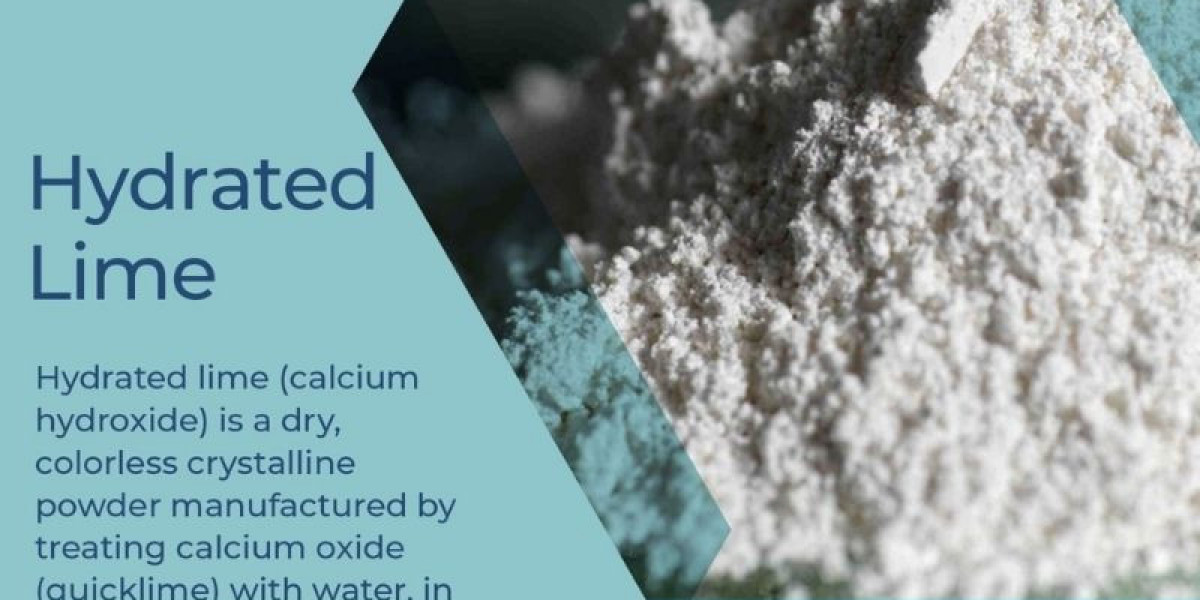

Hydrated lime, scientifically known as calcium hydroxide, is a fine white powder produced through the controlled hydration of quicklime. It has been used for centuries, yet it remains one of the most relevant materials in modern industrial applications. Its high alkalinity, chemical reactivity, and versatility allow it to serve multiple functions across diverse sectors.
Today’s industries require materials that deliver consistent performance while meeting environmental and safety regulations. As a result, hydrated lime is no longer viewed as a basic commodity but as a critical input that demands careful sourcing and quality assurance.
How Hydrated Lime Is Manufactured
The manufacturing process begins with the extraction of high-purity limestone from quarries. The limestone is heated in kilns at high temperatures to release carbon dioxide, producing quicklime. This quicklime is then hydrated in a controlled environment to create calcium hydroxide.
Precision is essential at every stage. Variations in temperature, hydration levels, or raw material quality can significantly affect the final product’s reactivity and purity. Experienced Hydrated Lime Manufacturers in India rely on modern kilns, automated hydration systems, and laboratory testing to ensure consistent output suitable for demanding industrial applications.
Key Quality Characteristics
Industrial hydrated lime must meet specific chemical and physical parameters to perform effectively. These include calcium hydroxide content, fineness, moisture level, and impurity limits. Consistency across batches is particularly important for industries such as water treatment and chemical processing, where minor variations can impact efficiency or compliance.
Manufacturers with robust quality management systems conduct regular testing and maintain strict process controls. Companies like HTMC Group emphasize standardized production and continuous monitoring to ensure reliable performance across applications.
Major Industrial Applications
Construction and Infrastructure
In construction, hydrated lime is widely used in mortars, plasters, and soil stabilization. It improves workability, enhances bonding strength, and increases durability. Lime-based mortars also offer flexibility and breathability, making them suitable for both modern buildings and heritage restoration projects.
Water and Wastewater Treatment
Hydrated lime plays a crucial role in water treatment by adjusting pH levels, removing heavy metals, and reducing water hardness. Municipal and industrial treatment facilities depend on its effectiveness and cost efficiency to meet regulatory standards for clean and safe water.
Environmental Protection
Environmental applications include flue gas treatment, acid neutralization, and waste stabilization. Hydrated lime helps reduce harmful emissions and manage industrial waste responsibly, contributing to cleaner production processes and improved environmental outcomes.
Agriculture and Sanitation
In agriculture, hydrated lime is used to correct soil acidity, improve nutrient availability, and enhance crop productivity. It is also applied in sanitation processes to control odors and pathogens in livestock facilities.
Importance of Manufacturer Expertise
Not all hydrated lime performs the same. Differences in raw materials, production methods, and quality controls can result in significant performance variations. This makes supplier expertise a critical factor in procurement decisions.
Businesses sourcing from established Hydrated Lime Manufacturers in India gain access to technical knowledge, application guidance, and reliable logistics. These advantages help reduce operational risks and ensure consistent results, particularly in large-scale or long-term projects.
Storage, Handling, and Safety
Hydrated lime must be stored in dry, sealed conditions to prevent moisture absorption and carbonation. Improper storage can reduce reactivity and compromise performance. During handling, appropriate protective equipment and dust control measures are necessary to ensure worker safety.
Reputable manufacturers provide clear documentation on safe storage and handling practices. HTMC Group supports its customers with technical guidance to help maintain product integrity and comply with workplace safety standards.
material sourcing with environmental goals.
Conclusion
Hydrated lime remains an indispensable material across construction, environmental management, agriculture, and industrial processing. Its versatility, performance, and sustainability benefits make it a critical component of modern infrastructure and environmental solutions. By sourcing from experienced and reliable manufacturers, businesses can ensure consistent quality, regulatory compliance, and long-term operational success—making hydrated lime a dependable solution for today’s evolving industrial needs.