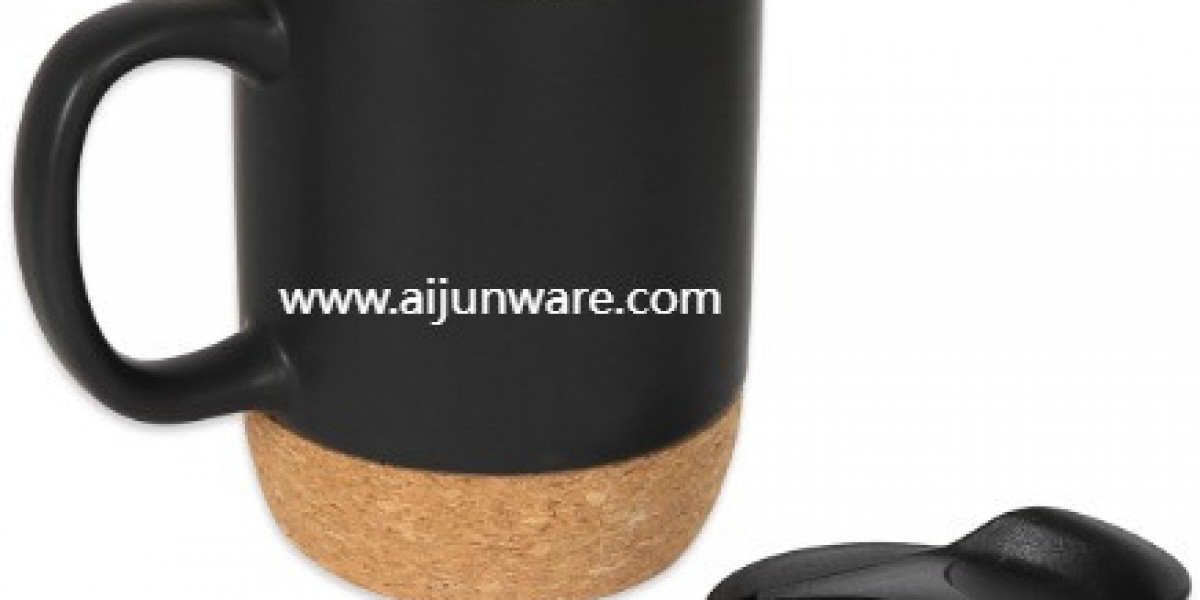

Natural materials bring warmth and character to everyday objects but demand thoughtful maintenance to preserve their qualities. Your Cork Bottom Mug combines functional benefits with organic aesthetics, yet cork requires different care approaches than synthetic alternatives. Neglecting proper maintenance leads to premature deterioration, while simple regular attention extends lifespan significantly and maintains both appearance and performance.
Understanding cork's cellular structure explains why specific care methods work effectively. This material consists of millions of tiny air-filled chambers that create cushioning and insulation properties. These cells also absorb liquids and particles if exposed repeatedly to moisture or dirt. Unlike solid materials that repel substances, cork's porous nature means contaminants can penetrate if preventive measures go ignored.
Daily maintenance begins with simple awareness during use. Avoid placing mugs in standing water or leaving them on wet surfaces for extended periods. Cork absorbs moisture gradually, and repeated saturation causes swelling followed by shrinkage as it dries. This cycle creates cracks and separations that compromise both function and appearance. After washing the mug body, wipe the cork base with a dry cloth immediately rather than allowing air drying.
Regular cleaning involves gentle methods that respect cork's delicate nature. Use slightly dampened cloths rather than saturating the material directly. Mild soap solutions work when necessary, but avoid harsh detergents or chemical cleaners that strip natural oils from cork. These oils maintain flexibility and prevent brittleness. Apply cleaning solutions to your cloth first, then wipe the cork surface rather than pouring or spraying liquids directly onto the base.
Stains and discoloration happen despite careful use. Coffee rings, tea tannins, and beverage spills create marks that penetrate cork's surface. Address these promptly using gentle abrasion techniques. Fine sandpaper or emery boards remove surface stains without damaging underlying structure. Work in circular motions with light pressure, removing only enough material to eliminate discoloration. Aggressive scrubbing creates uneven surfaces and accelerates wear.
Drying procedures matter as much as cleaning methods. After any moisture exposure, place mugs upside down in well-ventilated areas. This orientation prevents water from pooling around cork edges where the base meets the mug body. Air circulation prevents mold or mildew development within cork's porous structure. Avoid direct sunlight or heat sources during drying, as rapid temperature changes cause cracking similar to wood splitting.
Conditioning treatments restore and protect cork between cleanings. Natural oils like coconut or mineral oil penetrate cork cells, replacing moisture lost through normal use. Apply small amounts to clean, dry cork using soft cloths. Rub thoroughly until the surface appears slightly darker and feels supple rather than dry. Excess oil attracts dust and dirt, so use sparingly and buff away any residue. These treatments every few months maintain cork's resilience and appearance.
Preventing damage proves easier than repairing it. Use coasters beneath mugs even though cork protects surfaces, as this practice protects the cork itself from countertop moisture and debris. Avoid dragging mugs across rough surfaces that abrade cork material. Lift and place containers gently rather than sliding them, reducing friction that wears cork prematurely.
Storage considerations affect cork condition during periods of non-use. Store mugs in dry environments away from temperature extremes. Humidity causes cork to absorb atmospheric moisture, promoting mold growth. Excessive dryness creates brittleness that leads to cracking. Room temperature storage in typical household humidity levels suits cork ideally. Avoid basements, attics, or outdoor sheds where conditions fluctuate dramatically.
Dishwasher use poses significant risks to cork components. High water temperatures, harsh detergents, and prolonged exposure damage cork irreversibly. The material swells excessively, adhesives may fail, and natural oils leach out completely. Hand washing protects cork while effectively cleaning mug interiors. This extra effort requires minimal time yet dramatically extends product lifespan.
Odor absorption presents challenges with porous materials. Cork can retain smells from strongly scented beverages or cleaning products. Baking soda acts as a natural deodorizer when sprinkled lightly on cork and left overnight before brushing away. Vinegar solutions neutralize odors but require thorough drying afterward to prevent moisture damage. Address odors promptly rather than allowing them to penetrate deeply into cork structure.
Adhesion failure occasionally occurs where cork attaches to mug bottoms. Temperature cycling, moisture exposure, or manufacturing variations cause separation. Food-safe adhesives designed for cork applications enable reattachment. Clean both surfaces thoroughly, removing old adhesive residue before applying new bonding agents. Clamp or weight assemblies during curing to ensure proper contact and adhesion strength.
Seasonal care adjustments accommodate environmental changes. Winter heating systems create dry indoor air that depletes cork moisture. Increase conditioning frequency during these months to counteract dryness. Summer humidity may require more frequent inspection for mold or mildew, particularly in damp climates. Adjust care routines to match your local conditions and seasonal variations.
Recognizing when replacement becomes necessary prevents frustration with declining performance. Deep cracks, persistent odors despite cleaning, or significant compression that no longer cushions impacts indicate cork has reached its functional limits. Some manufacturers offer replacement bases, while others suggest retiring the entire container. Evaluate repair costs against replacement value when making these decisions.
A Cork Bottom Mug rewards proper care with years of reliable service and maintained appearance. The natural material responds positively to regular attention, unlike synthetic alternatives that simply degrade over time regardless of maintenance efforts. Simple habits incorporated into daily routines preserve cork's beneficial properties without demanding excessive time or effort.
Thoughtful maintenance practices transform ordinary objects into lasting companions. Your Cork Bottom Mug becomes more than a beverage holder through care that honors its natural materials and construction. These small investments in preservation return dividends through extended usability and sustained aesthetic appeal. Those seeking quality containers crafted from natural materials with attention to durability and design can examine various options suited to different preferences. Browse selections at https://www.aijunware.com/product/ to compare features and construction methods that balance functionality with environmental consciousness and practical maintenance requirements.