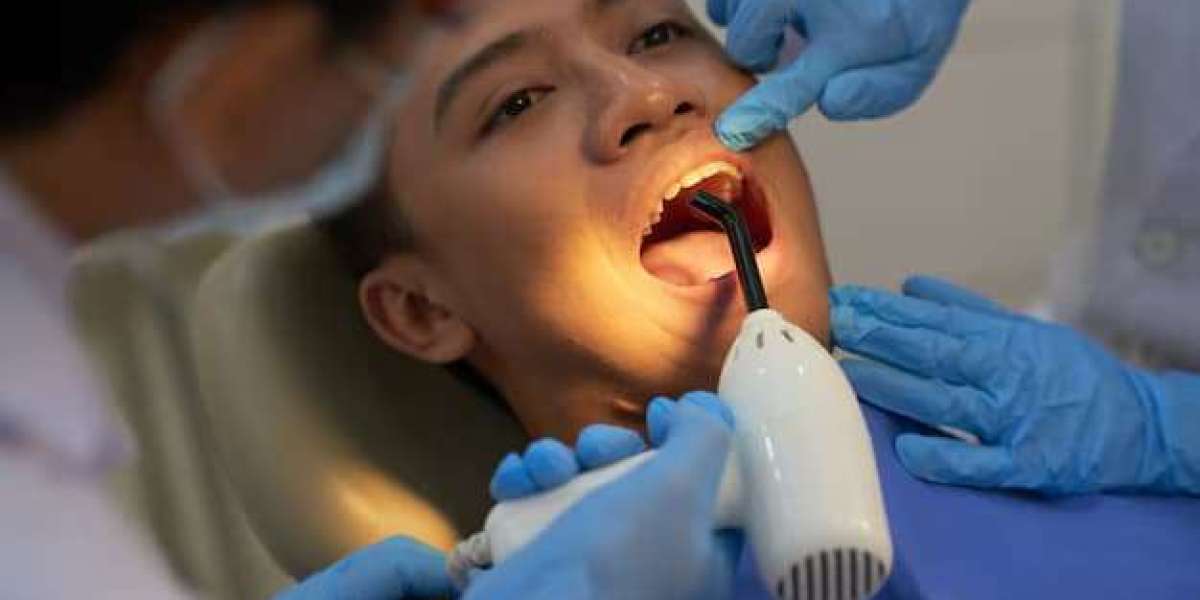

Modern dental care has evolved significantly with the introduction of advanced technology and specialized expertise. Many patients seek treatment from Oral Surgeons when they require complex dental procedures that go beyond routine care. These specialists are trained to handle surgical treatments involving the teeth, gums, jaw, and facial structures. Their combination of clinical skill and modern tools helps improve patient comfort and treatment outcomes.
Understanding the Role of Oral Surgeons
Specialized Training and Expertise
Oral surgeons receive extensive education and clinical training that prepares them for complex dental and facial procedures. Their training typically includes several additional years beyond dental school, focusing on surgical techniques, anesthesia, and patient care. This specialized knowledge allows them to diagnose and treat complicated oral health conditions with precision and confidence.
Procedures Commonly Performed
Oral surgeons perform a wide range of treatments designed to restore oral health and function. These procedures often include tooth extractions, dental implant placement, corrective jaw surgery, and treatment of facial injuries. They also address issues related to impacted teeth, cysts, and oral infections. Their ability to manage complex cases makes them an important part of modern dental healthcare.
Importance in Comprehensive Dental Care
Oral surgeons often collaborate with general dentists and other dental specialists to provide comprehensive care. Their role becomes essential when a patient requires surgical intervention as part of a larger treatment plan. By working closely with other dental professionals, they help ensure that patients receive coordinated care that supports both functional and aesthetic outcomes.
Advanced Technology in Dental Surgery
Digital Imaging and Diagnostics
One of the most significant technological advancements in dental surgery is the use of digital imaging systems. These tools allow surgeons to capture detailed images of teeth, bone, and surrounding tissues. High resolution images help identify potential issues and assist in creating accurate treatment plans. Digital imaging also reduces the need for repeated scans and improves diagnostic efficiency.
Three Dimensional Scanning
Three dimensional scanning technology has transformed the way dental procedures are planned and performed. This technology creates highly detailed models of a patient’s oral structures. These models allow surgeons to study bone density, nerve positions, and tooth alignment before surgery begins. Such precise planning improves safety and helps achieve more predictable treatment outcomes.
Computer Guided Surgery
Computer guided surgical techniques have introduced a new level of accuracy to dental procedures. Specialized software assists surgeons in mapping the exact position of implants or surgical areas. This technology helps minimize risks and ensures that procedures are performed with exceptional precision. Patients benefit from improved results, shorter treatment times, and reduced recovery periods.
Benefits of Advanced Surgical Technology
Improved Accuracy and Precision
Advanced tools allow oral surgeons to perform procedures with remarkable precision. Accurate planning and digital guidance help ensure that surgical steps are carefully controlled. This level of accuracy reduces the chances of complications and supports better long term results. Patients often experience improved function and comfort after procedures performed with modern technology.
Enhanced Patient Safety
Safety is a priority in any surgical procedure. Technological advancements allow surgeons to identify potential risks before treatment begins. Imaging systems reveal important structures such as nerves and sinuses, helping surgeons avoid sensitive areas. This careful planning protects patients and ensures that procedures are performed in a controlled and safe environment.
Faster Recovery Times
Modern dental technology often leads to less invasive procedures. When surgical techniques are more precise, surrounding tissues experience less trauma. As a result, many patients enjoy faster recovery times and reduced discomfort following treatment. Shorter healing periods allow individuals to return to their daily routines more quickly and comfortably.
Common Procedures Performed by Oral Surgeons
Wisdom Tooth Removal
Wisdom teeth removal is one of the most frequently performed oral surgeries. These teeth often become impacted or misaligned due to limited space in the jaw. When this occurs, patients may experience pain, swelling, or infection. Oral surgeons carefully remove problematic wisdom teeth to prevent complications and protect surrounding teeth.
Dental Implant Placement
Dental implants are a popular solution for replacing missing teeth. Oral surgeons play a key role in placing these implants securely within the jawbone. The implant acts as a stable foundation for a replacement tooth or crown. Advanced technology helps surgeons position implants accurately, ensuring long lasting support and natural looking results.
Corrective Jaw Surgery
Some patients experience issues related to jaw alignment that affect chewing, speaking, or facial balance. Corrective jaw surgery addresses these concerns by repositioning the jawbones into proper alignment. This procedure can improve both function and appearance. Careful planning and advanced imaging technology are essential for achieving successful results.
Treatment of Oral Pathology
Oral surgeons also diagnose and treat conditions affecting the tissues of the mouth and jaw. These conditions may include cysts, benign growths, or infections that require surgical attention. Early detection and treatment are important for protecting oral health. Surgeons use advanced diagnostic tools to evaluate these conditions and recommend appropriate treatment options.
The Patient Experience in Modern Oral Surgery
Initial Consultation and Evaluation
The surgical process typically begins with a detailed consultation. During this appointment, the surgeon reviews the patient’s medical history and performs a comprehensive oral examination. Diagnostic images may be taken to better understand the condition. This information allows the surgeon to develop a personalized treatment plan tailored to the patient’s specific needs.
Treatment Planning and Preparation
Once the evaluation is complete, the surgeon explains the recommended procedure and answers any questions the patient may have. Patients are informed about preparation steps, recovery expectations, and potential benefits of the treatment. Clear communication ensures that individuals feel confident and well prepared before undergoing surgery.
Surgical Procedure
During the procedure, advanced equipment and surgical techniques are used to complete the treatment efficiently and safely. Many procedures are performed with the assistance of modern imaging systems and specialized instruments. These technologies help guide the surgeon throughout the process, ensuring precise results and a smoother experience for the patient.
Post Surgical Care and Recovery
After surgery, patients receive detailed instructions for caring for the treated area. Proper post surgical care supports healing and helps prevent complications. Patients may be advised to follow a soft food diet, maintain good oral hygiene, and attend follow up appointments. These steps ensure that recovery progresses smoothly and that the surgical results remain stable.
The Future of Dental Surgery Technology
Continued Innovation in Imaging
Advancements in imaging technology continue to improve the way oral surgeons diagnose and treat conditions. Future systems are expected to provide even greater detail and faster results. These improvements will help surgeons identify potential issues earlier and plan treatments with even higher levels of accuracy.
Integration of Digital Dentistry
Digital dentistry is becoming increasingly important in surgical planning. Technologies such as digital impressions and computer generated treatment simulations allow surgeons to visualize outcomes before surgery begins. This approach enhances communication with patients and ensures that expectations are clearly understood.
Personalized Surgical Solutions
As technology continues to evolve, dental surgery is becoming more personalized. Advanced tools allow surgeons to design treatments that are specifically tailored to each patient’s anatomy and oral health needs. Personalized care improves both comfort and long term results, making surgical procedures more efficient and effective.
Conclusion
Oral surgery has advanced significantly with the integration of modern technology and specialized expertise. From digital imaging to computer guided procedures, these innovations help improve precision, safety, and patient comfort. Individuals who require complex dental treatments can benefit greatly from the skills and technology used in modern surgical care. For professional dental services and expert support, patients can rely on Clove Dental Riverpark.