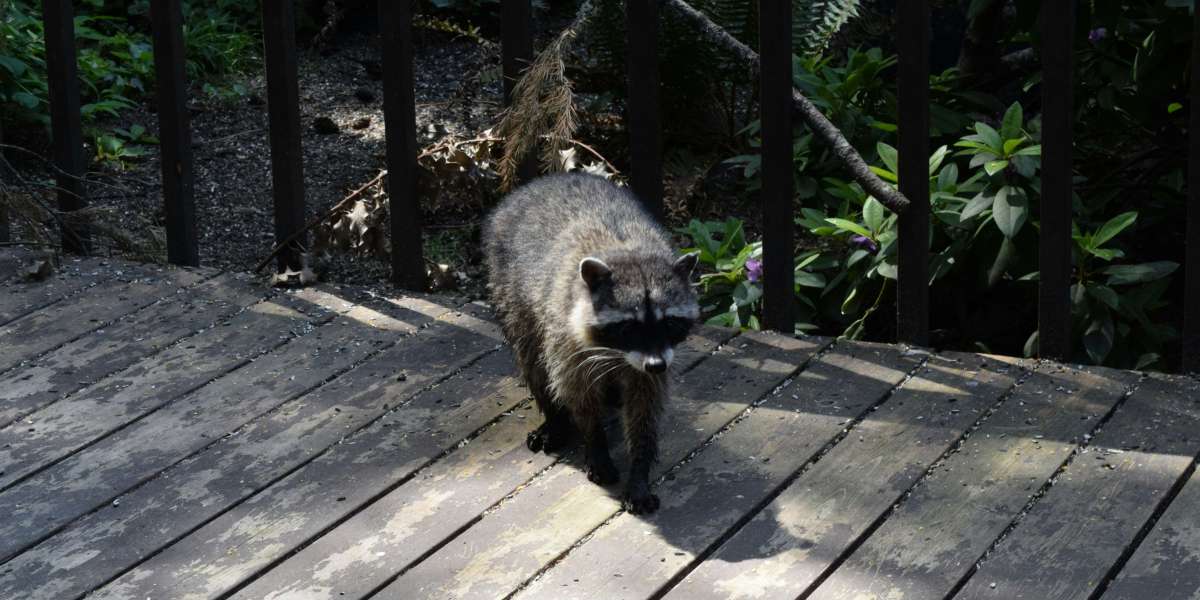

Toronto homeowners are a resilient bunch, accustomed to the quirks of city living, including the occasional raccoon sighting. When the first scratch or thump echoes from the attic, the internal debate begins. Is it really that urgent? Perhaps they are just passing through. Maybe if you ignore them, they will get bored and move on. This line of thinking, as tempting as it is, sets the stage for a cascade of consequences that can transform a manageable wildlife issue into a full-blown household crisis. Choosing to skip professional raccoon removal is not a neutral decision; it is an active choice to allow a problem to fester, with repercussions that will eventually demand your attention in the most expensive and stressful ways imaginable. Understanding exactly what is at stake can make the difference between a simple fix and a costly nightmare.
The Snowball Effect of Structural Decay
What begins as a single entry point, perhaps a chewed hole the size of a grapefruit, rarely stays that way. Raccoons are persistent creatures, and once they have established a den, they will continue to modify their environment to suit their needs. They will enlarge openings to make coming and going easier, tear at wooden beams to create more space, and pull apart ductwork to clear a path. This ongoing construction project happens silently within your walls and attic, invisible to your daily life until the damage becomes undeniable. Over time, the structural integrity of your roof can be compromised. Soffits may sag and detach entirely. The wooden framing of your attic can suffer from prolonged exposure to urine, leading to rot and weakening of critical support structures. What could have been resolved with a simple patch job and a one-way door now requires significant carpentry work, roof repairs, and potentially even the replacement of structural beams.
From Nuisance to Public Health Hazard
Skipping removal allows what was a small amount of waste to accumulate into a serious biohazard. Raccoons are creatures of habit and will consistently use the same area of your attic as a latrine. Over weeks and months, this spot becomes saturated with urine and piled high with feces. This is not merely an unpleasant mess; it is a concentrated source of disease. The risk of raccoon roundworm eggs contaminating your home increases exponentially with the volume of droppings. These eggs are resilient and can remain viable in your attic for years, waiting to be stirred up by future renovations or even the simple act of storing holiday decorations. The ammonia fumes from accumulated urine can also reach levels that are irritating to the respiratory system, causing chronic coughing, headaches, and worsening conditions like asthma for everyone in the household. You are not just ignoring animals; you are ignoring a growing toxic waste site above your head.
The Certainty of Escalating Costs
Perhaps the most tangible consequence of skipping removal is the inevitable financial hit that grows larger with every passing day. The raccoon removal industry operates on a simple principle: the longer you wait, the more it costs. A professional removal and exclusion service for a recent infestation might cost a few thousand dollars. However, if you delay for months, that same company will need to factor in the removal of tons of soiled insulation, the disposal of contaminated materials, the sanitization of the entire attic space, and repairs for extensive structural and electrical damage. Suddenly, you are not looking at a wildlife control bill; you are looking at a home renovation project. Insurance policies rarely cover animal damage, meaning these escalating costs come directly out of your pocket. Skipping removal is essentially a gamble where the house always wins, and you are betting against your own financial stability.