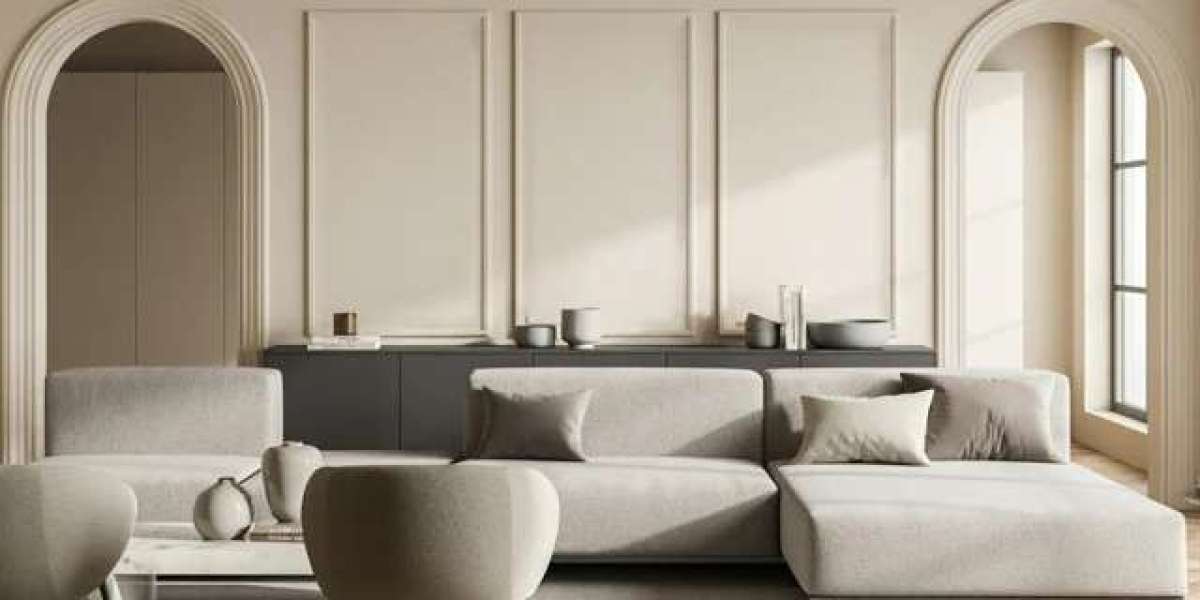

There is a reason why certain design elements have remained popular for centuries, gracefully transitioning from one generation to the next without ever feeling outdated. Chair rail and picture frame molding represent this kind of enduring elegance, offering a way to add architectural interest to walls that feels both timeless and refined. Originally designed for practical purposes, these moldings have evolved into purely decorative features that define spaces with subtle sophistication. Chair rail, historically installed to protect walls from being scuffed by chair backs, now serves as a visual divider that adds proportion and structure. Picture frame molding, inspired by the panels of traditional wainscoting, creates geometric interest that breaks up large wall expanses. Together, they form a classic combination that elevates any room, from formal dining spaces to casual living areas, adding depth, character, and a sense of craftsmanship that paint alone cannot achieve.
The Historical Significance of These Classic Elements
Understanding the origins of chair rail and picture frame molding adds depth to their decorative appeal and explains why they continue to resonate with homeowners today. Chair rail emerged in eighteenth-century Europe as a practical solution to a common problem: dining chairs, when pushed back from tables, would scrape and damage plaster walls. The wooden rail provided a protective barrier that preserved the wall finish while adding visual interest at a logical height. Over time, this practical element became a design convention, with its height and profile evolving to suit changing architectural styles. Picture frame molding, also known as panel molding, developed as a way to create the illusion of raised panels on flat walls, offering the elegance of traditional wainscoting at a fraction of the cost and complexity. Craftsmen would apply moldings directly to walls to create frames that mimicked the look of paneling, a technique that proved both economical and aesthetically pleasing. In modern homes, these practical origins have given way to purely aesthetic applications, yet the historical resonance remains, connecting our spaces to centuries of design tradition.
Planning Chair Rail Height and Placement
The success of your chair rail installation depends significantly on choosing the correct height for your specific room and ceiling proportions. Traditional guidelines suggest placing chair rail approximately one-third of the distance from floor to ceiling, typically thirty to thirty-six inches from the floor in rooms with standard eight-foot ceilings. However, this rule deserves thoughtful consideration rather than blind application. The function of your room and the other design elements present should influence your final decision. In dining rooms, consider the height of your actual chair backs and how the rail will relate to them visually. In living areas, think about how the rail will interact with window trim, door casings, and furniture. Some designers prefer to align chair rail with window sills or other horizontal elements for a cohesive, integrated look. In recent years, a trend toward higher chair rail placement has emerged, with some installations positioned at forty to forty-eight inches to create more dramatic wall proportions and allow for larger picture frames above. Before committing, use painter's tape to mark your proposed height on the wall and live with it for a day, observing how it looks at different times and from different angles.
Designing Picture Frame Layouts
Creating harmonious picture frame layouts requires attention to proportion, spacing, and relationship to architectural elements. The frames themselves should relate to the scale of your room and the size of your walls. In a spacious dining room, larger frames with generous spacing create an appropriate sense of grandeur that fills the space without feeling busy. In smaller spaces or hallways, more delicate frames with tighter spacing maintain proportion and avoid overwhelming the area. A common approach centers frames on the largest wall expanses, maintaining consistent spacing between frames and from frames to corners and trim. The vertical position of frames relates directly to your chair rail if you are combining both elements. Typically, frames sit above the chair rail, centered within the upper wall section. The bottom of the lowest frames should align visually with the top of the chair rail, either butting directly against it or maintaining a consistent gap of an inch or two. The spacing between multiple frames on the same wall should be equal, creating rhythm and order that pleases the eye. On walls with windows or doors, frames should acknowledge these features rather than competing with them, perhaps centering between openings or framing them as part of the composition.
Selecting Materials and Profiles
The materials and profiles you choose for your chair rail and picture frame molding significantly influence the final character of your room. Traditional options include solid wood, which offers authenticity, warmth, and the ability to be stained for a natural look that highlights grain patterns. Oak, maple, and poplar are popular choices, each with distinct characteristics. For painted applications, medium-density fiberboard (MDF) provides excellent value, offering a smooth surface that takes paint beautifully and resists warping better than some woods. MDF is also typically more affordable than solid wood, making it accessible for larger projects. Polyurethane moldings offer exceptional lightness and moisture resistance, making them suitable for bathrooms, kitchens, or other areas where humidity might affect other materials. The profiles themselves range from simple and streamlined to ornate and decorative. For a classic look that suits most interiors, a simple ogee or bead profile provides elegant shadow lines without overwhelming the space. More elaborate profiles with multiple curves and details suit traditional or formal rooms where greater ornamentation feels appropriate. If you are combining chair rail with picture frame molding, ensure the profiles complement each other, either by matching them exactly or choosing related designs that share visual language.
Installation Process for Professional Results
Installing chair rail and picture frame molding follows a logical sequence that rewards careful attention to detail. Begin with the chair rail, as this establishes the horizontal line that will guide your frame placement. Mark your chosen height continuously around the room using a level to ensure the line remains perfectly horizontal, even if floors or ceilings are not perfectly level. Cut chair rail pieces to length, coping inside corners for the cleanest joint or mitering for simplicity. Apply construction adhesive to the back of each piece and press firmly into place along your marked line, securing with finishing nails driven into wall studs where possible. Once the chair rail is installed and adhesive has cured, turn your attention to the picture frames. Transfer your layout to the wall using a level and pencil, marking the exact position of each frame piece. Cut your molding to the pre-measured lengths, mitering corners at precise 45-degree angles for the most professional appearance. Apply adhesive to the back of each piece and press into place along your guidelines, ensuring corners meet tightly. For additional security, drive finishing nails through the molding into the wall, taking care to place nails where they will be least visible. Work systematically through your layout, checking alignment as you go.

Finishing Techniques for Seamless Elegance
The finishing stages of your project transform well-installed molding into a seamless architectural feature that appears integral to your home. Once all adhesive has fully cured, inspect every joint and seam. Apply a thin bead of paintable caulk along the lines where molding meets wall, as well as at all mitered corners. Smooth with a wet finger to create invisible transitions that eliminate shadows and gaps. This step proves essential for achieving that built-in appearance that distinguishes professional work. If you used finishing nails, fill each hole with wood filler and sand smooth once dry. Pay particular attention to corner joints, ensuring they appear tight and clean with no visible gaps. With all surfaces prepared, apply a high-quality primer if your molding arrived unprimed. Primer ensures even paint adhesion and true color representation, particularly important for achieving smooth, professional results. When painting, consider your overall design vision. For classic elegance, paint the chair rail, picture frames, and wall all the same color, allowing the shadows and highlights created by the profiles to provide subtle texture. This approach creates depth without contrast, perfect for serene, sophisticated spaces. For more dramatic effect, paint the molding a contrasting color that makes the architectural lines pop and defines the space. Some designers paint the area below the chair rail a darker color than the area above, creating visual weight and grounding the room.
Styling Your Classic Wall Treatment
With installation complete and paint dry, your new chair rail and picture frame molding provide endless opportunities for creative styling that enhances their elegant effect. The frames naturally suggest places to hang art, with each frame offering a perfect boundary for a single piece or a curated grouping. Consider placing mirrors within frames to reflect light and visually expand the space, a technique particularly effective in dining rooms and hallways. In dining rooms, a large artwork centered within the main frame creates an immediate focal point that draws attention during meals. The chair rail itself offers a natural division for different wall treatments below and above. Paint the lower section a deeper, more grounding color while keeping the upper section light and airy, creating contrast that highlights the architecture. Apply wallpaper above the chair rail for pattern and texture, keeping the area below simple to ground the space and prevent visual chaos. In hallways and staircases, the rhythmic repetition of frames guides the eye along the space, making the journey through your home more interesting and intentional. However you choose to style your walls, the combination of chair rail and picture frame molding provides a foundation of classic elegance that elevates everything around it, creating rooms that feel thoughtfully designed, historically aware, and beautifully finished.