
Choosing between card access and key fob systems comes down to your building’s size, security needs, and how much control you want over user access. Both options are more secure than traditional keys, but card access systems typically offer greater flexibility and scalability. For growing businesses or high-security sites, a modern platform like Brivo Access Control often provides the best long-term value.
Imagine arriving at your office Monday morning only to find an ex-employee still has a working key. Or worse, a lost key leads to a late-night break-in at your warehouse. Physical keys create vulnerabilities that many businesses don’t think about until it’s too late. That’s why access control systems—whether card-based or fob-based—have become essential for offices, construction sites, retail stores, and industrial facilities.
Understanding Modern Access Control Systems
Before choosing between card access and key fobs, it helps to understand how modern systems work.
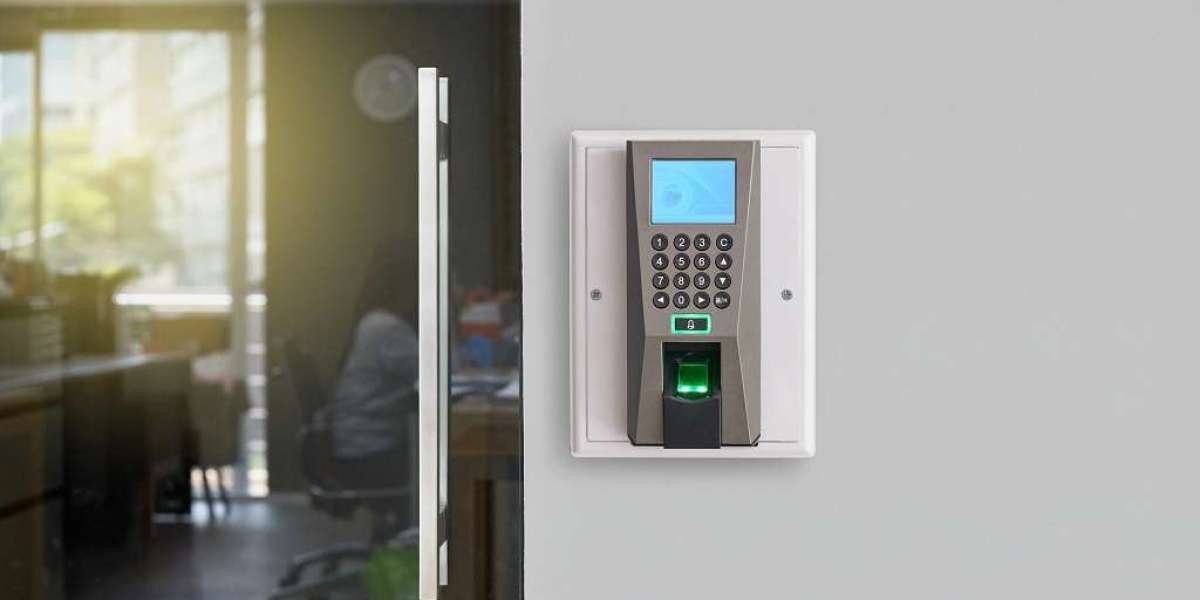
Access control systems regulate who can enter a building, specific rooms, or secured areas. Instead of traditional metal keys, users are assigned credentials—such as access cards or key fobs—that communicate with electronic door readers. Administrators can grant, restrict, or revoke access instantly through management software.
Cloud-based systems like Brivo Access Control have transformed the industry by allowing business owners to manage doors remotely, receive real-time alerts, and monitor entry activity from anywhere.
What Is a Card Access System?
A card access system uses a flat plastic card embedded with RFID (Radio Frequency Identification) or proximity technology. Users tap or swipe the card against a reader to unlock a door.
Advantages of Card Access
Scalability
Card systems are ideal for large organizations. You can issue hundreds or thousands of cards and manage them centrally using platforms like Brivo Access Control.Professional Appearance
Cards can be branded with your company logo and employee photo, doubling as ID badges.Cost-Effective Replacement
Lost cards are relatively inexpensive to replace compared to rekeying locks.Integration Capabilities
Card access systems integrate easily with video surveillance, visitor management, and alarm monitoring—especially when using cloud-based solutions like Brivo Access Control.
Disadvantages of Card Access
Easier to Misplace
Cards are slim and often stored in wallets or badge holders, which increases the chance of loss.Wear and Tear
Frequent swiping can cause magnetic stripe cards to degrade over time (though proximity cards last longer).
What Is a Key Fob System?
A key fob is a small, durable device—usually attached to a keychain—that contains RFID or proximity technology. Users simply tap the fob against a reader for entry.
Advantages of Key Fobs
Durability
Key fobs are sturdy and designed to withstand daily use, making them ideal for industrial settings or construction sites.Convenience
Since they attach to keyrings, users are less likely to forget them.Quick Tap Access
Most fobs use proximity technology, allowing faster entry without swiping.Compatibility
Key fobs work seamlessly with advanced platforms such as Brivo Access Control, providing the same backend control as card systems.
Disadvantages of Key Fobs
Limited Branding
Unlike cards, fobs cannot easily display employee photos or branding.Slightly Higher Cost
Fobs often cost more per unit than standard access cards.
Card Access vs Key Fob: Key Differences
While both systems rely on similar technology, the differences lie in usability, cost, and perception.
User Experience
Cards feel more corporate and structured, while fobs are practical and rugged.Environment Suitability
Office environments often prefer card badges. Warehouses, gated communities, and construction sites may favor fobs due to durability.Replacement Cost
Cards are typically cheaper to replace. However, both credentials can be instantly deactivated through Brivo Access Control, eliminating the need for rekeying.Security Level
Security depends more on the software platform than the credential type. A cloud-based solution like Brivo Access Control provides real-time tracking, audit trails, and remote management regardless of whether you use cards or fobs.
Which System Is More Secure?
Security is not determined solely by whether you choose a card or a fob. Instead, it depends on:
Encryption technology
User access permissions
Audit tracking
Integration with surveillance systems
Remote management capabilities
Modern systems like Brivo Access Control offer encrypted credentials, customizable access schedules, and detailed reporting. This means you can see exactly who entered which door and when.
For example, if an employee leaves the company, you can deactivate their credential instantly—whether it’s a card or a fob—without changing locks or collecting physical keys.
Cost Considerations
When comparing costs, consider more than just the credential price.
Initial Hardware Installation
Both systems require door readers, control panels, and wiring (or wireless setup).Credential Pricing
Cards are usually less expensive per unit than fobs.Software Subscription
Cloud-based systems like Brivo Access Control typically operate on a subscription model, which includes updates, cloud storage, and remote management.Long-Term Savings
Access control systems reduce risks of unauthorized entry, eliminate rekeying expenses, and improve accountability. Over time, the investment often pays for itself through reduced security incidents.
Integration with Other Security Systems
Access control is most effective when integrated with other security solutions.
Video Surveillance
Door events can trigger camera recordings, helping you verify entries.Alarm Systems
Access events can arm or disarm alarm systems automatically.Mobile Credentials
Many modern systems, including Brivo Access Control, support mobile credentials, allowing users to unlock doors with their smartphones. This adds another layer of convenience and reduces dependency on physical credentials.
Best Use Cases
Offices and Corporate Buildings
Card access systems are often preferred due to branding options and employee identification features.
Warehouses and Industrial Facilities
Key fobs are practical because of their durability and ease of use.
Construction Sites
Temporary workers and high turnover environments benefit from systems that allow quick credential activation and deactivation. Brivo Access Control makes managing temporary access simple and secure.
Multi-Tenant Properties
Property managers often choose cloud-based systems to control multiple doors across locations. Whether using cards or fobs, centralized management simplifies operations.
How to Choose the Right System
Ask yourself:
How many users will need access?
Do you need employee ID badges?
Is your environment rugged or corporate?
Do you want remote management capabilities?
Will you integrate with cameras or alarms?
If flexibility, scalability, and remote access are priorities, pairing either cards or fobs with Brivo Access Control provides a future-proof solution.
Conclusion
Both card access and key fob systems offer secure, efficient alternatives to traditional keys. The right choice depends on your environment, budget, and operational needs—but the real power lies in the software platform behind the credential. By investing in a robust system and professional installation from Spotter Security, you ensure your business stays protected, scalable, and ready for the future.
FAQs
What is the main difference between a card and a key fob?
Cards are flat and often used as ID badges, while fobs are small devices typically attached to keychains.
Are key fobs more secure than access cards?
Security depends on the system’s encryption and management software, not the physical credential type.
Can I deactivate a lost card or fob?
Yes, modern systems allow instant deactivation through an administrative dashboard.
Which option is more cost-effective?
Cards generally cost less per unit, but total cost depends on system size and features.
Can I upgrade to mobile access later?
Yes, many platforms support mobile credentials, allowing users to unlock doors with smartphones.