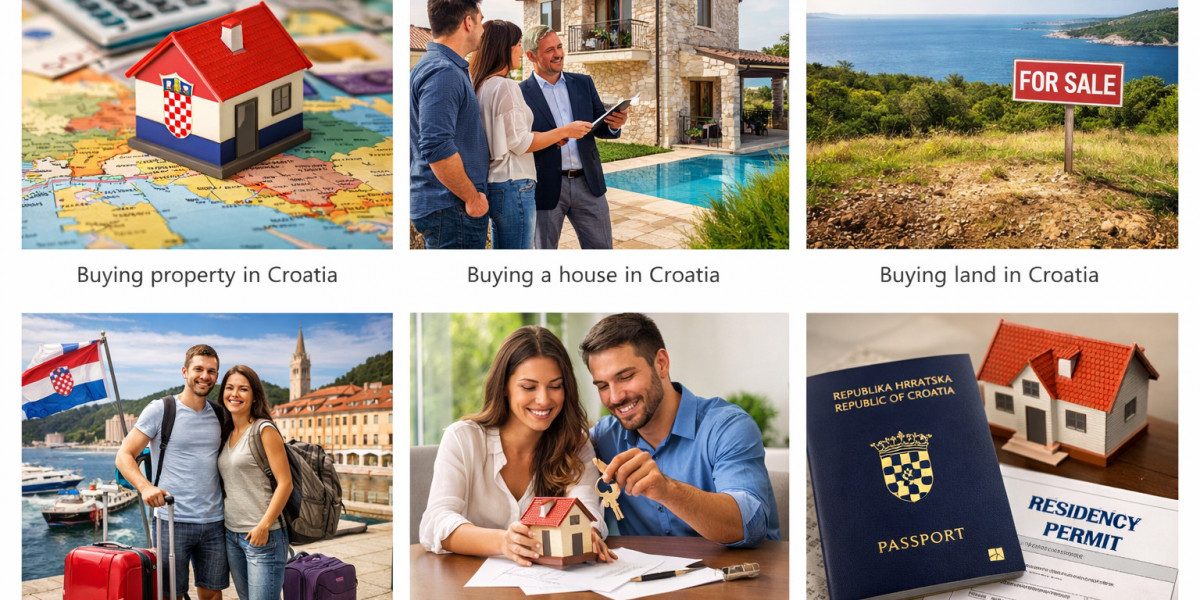

Croatia has become one of Europe’s most desirable destinations for property buyers, retirees, investors, and remote workers. With its stunning Adriatic coastline, historic cities, Mediterranean lifestyle, and growing expat community, it’s no surprise that interest in buying property in Croatia continues to rise year after year.
Why More People Are Moving to Croatia
Over the last decade, Croatia has evolved into a top choice for international buyers. Joining the EU and Schengen Area has significantly improved mobility, legal transparency, and investment confidence. For many foreigners, moving to Croatia offers a rare balance of affordability, safety, natural beauty, and quality of life.
Key reasons people choose Croatia:
Lower cost of living compared to Western Europe
Beautiful coastline, islands, and national parks
Safe environment and relaxed lifestyle
Growing infrastructure and international connectivity
Residency options linked to property ownership
Buying Property in Croatia: Who Can Buy?
Foreign nationals from EU countries can freely buy property in Croatia under the same conditions as Croatian citizens. Non-EU citizens can also buy property, but typically need approval from the Croatian Ministry of Justice, unless a bilateral agreement exists between Croatia and their home country.
Many buyers work with local professionals to ensure compliance and avoid delays. With the right guidance, buying property in Croatia is a straightforward and secure process.
Buying a House in Croatia: What to Expect
When buying a house in Croatia, you’ll find a wide range of options—from coastal villas and stone houses to modern apartments in cities like Zagreb, Split, and Dubrovnik.
Popular locations for house buyers:
Dalmatian Coast – Ideal for sea views and holiday homes
Istria – Popular with expats, known for vineyards and hill towns
Zagreb – Best for year-round living and rental demand
Islands – Perfect for lifestyle buyers seeking privacy
Before purchasing, it’s essential to verify:
Clear property title (clean ownership)
Proper zoning and building permits
Access to utilities and roads
Legal compliance with local regulations
Professional due diligence is crucial to avoid costly mistakes.
Buying Land in Croatia: Key Considerations
Buying land in Croatia can be highly rewarding, especially for those planning to build a custom home or invest in future development. However, land purchases require extra caution.
Important factors to check:
Is the land classified as buildable or agricultural?
Zoning regulations and construction permissions
Infrastructure access (water, electricity, road)
Restrictions for non-EU buyers
Agricultural land often cannot be built on, and converting it into construction land is not always possible. Always confirm land status with local authorities before committing.
The Property Buying Process in Croatia
The process of buying a house or land in Croatia typically involves the following steps:
Property Selection – Choose the right location and property type
Legal Due Diligence – Title check, zoning, and permits
Pre-Contract & Deposit – Usually 10% of purchase price
Sales Contract Signing – Notarized and legally binding
Property Transfer Tax – Generally 3% of property value
Registration – Ownership registered in the land registry
Working with experienced local advisors can significantly speed up the process and protect your interests.
Costs Involved in Buying Property in Croatia
Beyond the purchase price, buyers should budget for additional costs:
Property transfer tax: ~3%
Legal fees: 1–2%
Notary and registration fees
Real estate agency fees (if applicable)
Compared to many European countries, transaction costs in Croatia remain relatively reasonable.
Residency Options When Moving to Croatia
One of the biggest advantages of moving to Croatia is the possibility of obtaining temporary or long-term residency. While buying property does not automatically grant residency, property ownership can support residency applications.
Common residency pathways include:
Temporary residence for property owners
Digital Nomad Residence Permit
Family reunification
Business or investment-based residency
Over time, residents may become eligible for permanent residence and citizenship, depending on their situation.
Living in Croatia: Lifestyle & Quality of Life
Life in Croatia offers a slower, more balanced pace compared to many Western countries. Fresh food, outdoor living, and strong community values are central to daily life.
Highlights of living in Croatia:
Excellent healthcare system
Strong public safety
Mediterranean climate
Rich culture, history, and cuisine
Access to EU travel
For families, retirees, and entrepreneurs alike, Croatia provides an appealing long-term lifestyle.
Common Mistakes to Avoid
When buying property or land in Croatia, avoid these common pitfalls:
Skipping legal due diligence
Assuming all land is buildable
Not verifying ownership history
Underestimating approval timelines
Working without local expertise
Taking a cautious, informed approach can save time, money, and stress.
Final Thoughts: Is Buying Property in Croatia Right for You?
Whether you’re buying a house in Croatia for personal use, buying land in Croatia for development, or moving to Croatia for a new lifestyle, the country offers exceptional opportunities for international buyers.
With proper planning, legal guidance, and local insight, Croatia can be a smart investment and a beautiful place to call home.