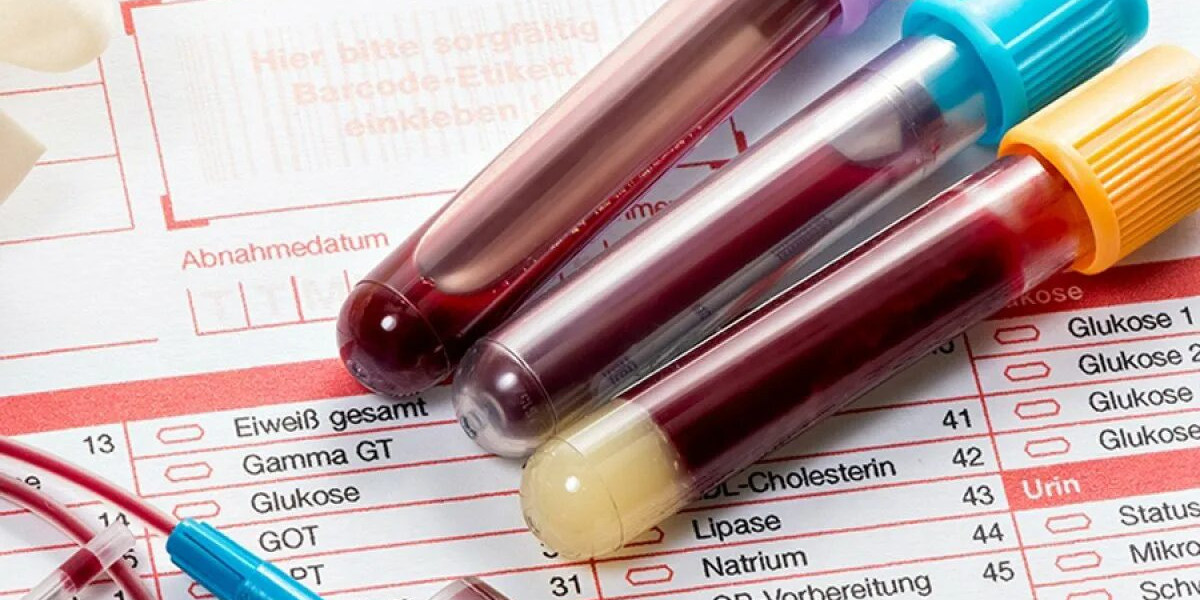

Many sexually transmitted infections can be present without causing noticeable symptoms, making asymptomatic testing essential for sexual health. Even if you feel healthy, a Full STD Panel in Dubai can detect hidden infections, prevent complications, and reduce the risk of transmission. Understanding why testing matters for asymptomatic individuals helps normalize routine screening and supports proactive sexual wellness.
Why Asymptomatic Testing Is Important?
A significant percentage of sexually transmitted infections do not produce symptoms initially. Chlamydia and gonorrhea, for instance, often remain unnoticed for weeks or months. Without testing, these infections can silently progress, potentially leading to infertility, chronic pelvic pain, or complications affecting reproductive and overall health.
A full STD panel addresses this concern by screening for multiple bacterial and viral infections simultaneously. Early detection provides an opportunity for timely treatment, even when there are no outward signs of infection.
Common Infections That May Be Asymptomatic:
Several infections included in a full STD panel frequently present without symptoms:
- Chlamydia: Often silent, it can damage reproductive organs if untreated.
- Gonorrhea: Asymptomatic cases are common, yet untreated infections can cause pelvic inflammatory disease.
- HIV: Early infection may not produce noticeable signs, but early detection improves treatment outcomes.
- Hepatitis B and C: These viral infections can progress silently, causing liver damage over time.
- Syphilis: Early stages may be asymptomatic or mild, but untreated syphilis can affect multiple organ systems.
Comprehensive screening allows these infections to be identified before symptoms arise, supporting long-term health.
How a Full STD Panel Works for Individuals Without Symptoms?
For asymptomatic individuals, a full STD panel combines several testing methods to ensure accurate detection:
- Blood tests: Identify viral infections such as HIV, hepatitis B and C, and syphilis.
- Urine samples: Detect bacterial infections like chlamydia and gonorrhea.
- Swabs: Used for infections affecting the throat, rectum, or genitals.
This multi-sample approach increases the likelihood of identifying infections that may otherwise go unnoticed, providing a complete assessment of sexual health.
Timing and Window Period Considerations:
Even in asymptomatic individuals, timing plays a key role in accurate detection. Each infection has a window period—the time between exposure and when it becomes detectable. Testing too early may result in false negatives, which is why follow-up or repeat testing may sometimes be recommended.
Healthcare providers can guide asymptomatic individuals on the optimal timing for testing to ensure results are reliable and actionable.
The Benefits of Testing Without Symptoms:
- Early Detection and Treatment: Identifying infections before symptoms appear allows prompt medical intervention, reducing the risk of complications and long-term health issues.
- Prevention of Transmission: Asymptomatic infections can still be transmitted to partners. Comprehensive testing reduces the risk of spreading STDs unknowingly.
- Peace of Mind: Confirming a healthy sexual status or identifying infections early provides reassurance and supports informed decision-making.
- Long-Term Health Monitoring: Regular testing establishes a baseline for sexual health and facilitates ongoing preventive care.
Who Should Consider Testing Even Without Symptoms?
Asymptomatic testing is beneficial for a wide range of individuals:
Sexually active adults with new or multiple partners
Individuals entering a new relationship
People with previous exposure concerns
Couples seeking reassurance about mutual sexual health
Those incorporating routine preventive care into their wellness plan
Testing is not only for those experiencing symptoms; it is a proactive step toward responsible sexual health management.
Addressing Misconceptions About Asymptomatic Testing:
Some people assume that feeling healthy means they are infection-free. However, many STDs do not cause immediate symptoms. Relying on perceived health can lead to missed infections and delayed treatment.
Another misconception is that testing is only necessary after risky behavior. Routine full STD panels are valuable for prevention, relationship transparency, and ongoing wellness, regardless of perceived risk.
Emotional and Relationship Benefits:
Asymptomatic testing also provides psychological reassurance. Knowing your status supports confidence in sexual relationships and encourages open communication with partners. It fosters trust and reduces anxiety about potential hidden infections.
Being proactive about sexual health normalizes testing and removes stigma, making it easier to maintain long-term sexual wellness.
Making Asymptomatic Testing a Routine Practice:
Incorporating a Full STD Panel into regular health checkups is a practical approach for asymptomatic individuals. Annual or periodic testing provides a clear snapshot of sexual health and ensures infections are detected early.
Routine screening also allows healthcare providers to tailor preventive advice, vaccination recommendations, and follow-up care based on comprehensive results.
Final Thoughts:
Even without symptoms, a full STD panel is a critical tool for maintaining sexual health. Early detection, prevention of transmission, and long-term wellness make testing an essential part of proactive care.
Asymptomatic individuals who undergo comprehensive screening can protect themselves, safeguard partners, and gain peace of mind. Full STD panels are not only about diagnosing infections—they are about empowering individuals to take control of their sexual health and make informed, responsible choices.