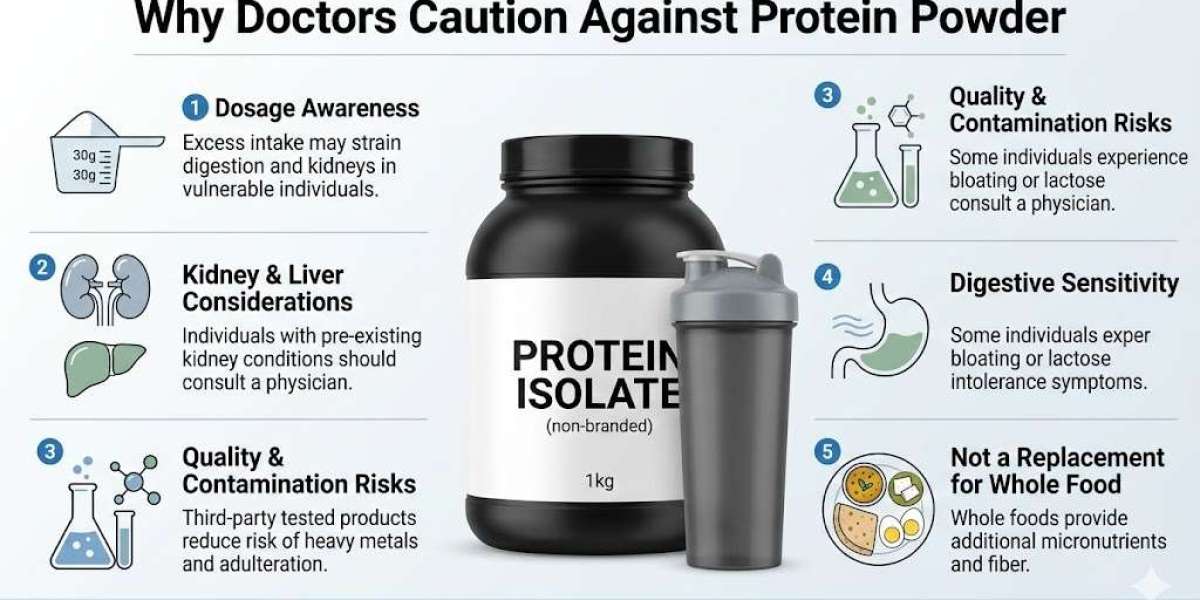

The fitness industry has created a paradox. On one hand, protein powders are marketed as essential tools for muscle building, weight management, and healthy ageing. On the other hand, persistent warnings about kidney damage cause many to approach these supplements with understandable hesitation.
This tension creates confusion. Should you embrace protein shakes as part of your wellness routine, or avoid them entirely to protect your kidneys? The answer, as with most health questions, depends on the context, your current health status, your intake levels, your hydration habits, and the quality of products you choose.
Protein powders themselves don't inherently threaten kidney health. Rather, specific circumstances and behaviours determine whether supplementation supports wellness or introduces risk. Understanding these distinctions empowers you to make informed decisions aligned with your unique health profile.
This comprehensive guide explores the physiology of protein processing, examines the evidence on high-protein diets and kidney function, identifies genuine risk factors, and provides practical strategies for safe supplementation.
The Science of Protein Metabolism and Renal Processing
Before evaluating risks, establishing how your body handles dietary protein provides an essential foundation.
The Filtration System Explained
Your kidneys contain approximately one million microscopic filtering units called nephrons. Each nephron consists of a glomerulus, a tiny blood vessel cluster that filters waste, and a tubule that reclaims essential nutrients while directing waste to your bladder.
This remarkable system processes your entire blood volume approximately 60 times daily. Every 24 hours, your kidneys filter 150-180 litres of blood, producing 1-2 litres of urine containing metabolic waste products. This continuous filtration maintains the precise internal environment your cells require.
Protein Metabolism's Byproducts
When you consume protein, your digestive tract breaks it into constituent amino acids. These enter your bloodstream and travel to cells throughout your body, supporting countless functions from muscle repair to hormone production to immune defence.
However, amino acid metabolism generates nitrogen waste. Your liver converts this nitrogen into urea, a compound that enters your bloodstream and travels to your kidneys for elimination. Standard blood work measures this as blood urea nitrogen (BUN), a direct reflection of your recent protein intake.
The more protein you consume, the more urea your kidneys must process. This straightforward relationship forms the basis for concerns about renal strain from high-protein diets and supplementation.
The Adaptation Response
Healthy kidneys possess remarkable adaptive capacity. When you increase protein consumption, your kidneys respond by increasing their filtration rate. This adaptation, known as renal hyperfiltration, allows efficient clearance of additional nitrogen waste.
This response parallels other physiological adaptations. Your heart rate increases during exercise without causing damage. Your lungs expand more deeply at high altitudes. Your kidneys similarly adjust to changing demands, provided they retain sufficient reserve capacity.
The critical question becomes: does this sustained increase in workload eventually damage healthy kidneys, or does it represent normal physiological adaptation without long-term consequences?
Examining the Evidence: High-Protein Intake and Healthy Kidneys
Research spanning decades has investigated whether high-protein diets damage kidneys in healthy individuals. The findings consistently support a reassuring conclusion.
What Longitudinal Studies Reveal
A comprehensive 2020 meta-analysis published in the Journal of Nutrition examined 28 studies involving over 1,300 participants. Researchers compared kidney function markers between individuals consuming high-protein diets (1.5-2.5 g/kg daily) and those following standard protein recommendations. After follow-up periods ranging from three months to two years, no significant differences emerged in creatinine levels, GFR, or other kidney function markers.
Another notable study followed 162 healthy women over a decade, comparing those consuming high-protein diets with those following standard intake patterns. Despite persistently higher BUN levels in the high-protein group, an expected finding, their kidney function remained indistinguishable from that of the control group throughout the study period.
Athletic Populations Provide Insight
Bodybuilders and strength athletes offer natural experiments in long-term high-protein consumption. These individuals often maintain intakes of 2.0-2.5 g/kg daily for decades while undergoing regular health monitoring.
Research examining these populations consistently finds elevated BUN and sometimes slightly higher creatinine levels, both expected given increased muscle mass and protein turnover. However, the measured filtration rate remains stable over time, and rates of kidney disease don't exceed those in the general population.
A 2018 study in the Journal of the International Society of Sports Nutrition compared veteran bodybuilders averaging 15 years of high-protein intake with age-matched controls following standard diets. Despite significant differences in total protein consumption, both groups showed equivalent kidney function across all measured parameters.
The Physiological Ceiling
This research suggests healthy kidneys possess substantial reserve capacity. The typical kidney functions at roughly 50% of its maximum filtration capability, providing considerable room to accommodate increased workload without progressive damage.
Think of it as highway capacity. Adding cars (increased filtration demand) to a highway operating at half capacity creates busier roads but doesn't damage the infrastructure. Problems arise only when demand consistently exceeds capacity, a situation requiring either extreme intake levels or significantly reduced kidney function.
When Protein Supplementation Creates Genuine Risk
While healthy kidneys handle increased protein loads admirably, specific circumstances transform supplementation from beneficial to potentially harmful.
Undiagnosed Kidney Disease: The Silent Threat
The most significant risk factor for protein-induced kidney problems isn't the protein itself; it's unrecognised kidney dysfunction. Approximately 15% of American adults have some degree of chronic kidney disease, and most remain unaware until significant damage has occurred.
Early kidney disease produces no symptoms. You cannot feel a declining filtration rate or accumulating waste products. This silent progression means individuals may begin high-protein supplementation unaware that their kidneys lack the reserve capacity to handle increased demands.
For those with existing kidney dysfunction, high-protein intake accelerates progression toward kidney failure. The compromised nephrons cannot adapt to increased workload, leading to further damage and declining function.
This reality explains why medical consultation and baseline kidney function testing prove essential before beginning any significant supplementation regimen. A simple blood test revealing your creatinine levels and estimated GFR provides critical information about your kidney reserve capacity.
Diabetes and Hypertension: Common Culprits
Diabetes and hypertension account for approximately two-thirds of all chronic kidney disease cases. Both conditions damage the delicate blood vessels within the kidneys, gradually reducing filtration capacity over the years.
Individuals with these conditions, whether diagnosed or undiagnosed, face increased risk from high-protein intake. Their kidneys may appear to function normally while operating with significantly reduced reserve. The added workload from protein supplementation can push compromised kidneys past their limit.
Extreme Intake Levels: Beyond Recommended Ranges
Even healthy kidneys have limits. While moderate increases in protein intake are well-tolerated, extreme levels consistently exceeding 2.5 g/kg daily push into uncharted territory.
At these intake levels, nitrogen waste accumulates faster than even healthy kidneys can efficiently clear. BUN rises significantly, and urine becomes highly concentrated with waste products. While short-term extreme intake may not cause permanent damage, sustained levels at this magnitude lack long-term safety data.
The principle of diminishing returns applies. Protein intakes beyond 1.6-2.0 g/kg provide minimal additional benefit for most individuals while increasing metabolic workload without compensatory advantage.
Dehydration: The Compounding Factor
Protein processing requires substantial water. Each gram of protein nitrogen excreted demands 50-60 millilitres of water for efficient elimination. When high-protein intake combines with inadequate hydration, urine becomes concentrated, increasing kidney stone risk and potentially impairing waste clearance.
This dehydration risk compounds other factors. Even moderate protein intake can stress the kidneys when fluid intake falls short. Conversely, adequate hydration supports efficient waste processing and reduces renal strain at any intake level.
Key Indicators of Kidney Function: Understanding Your Numbers
Since kidney stress produces no early symptoms, understanding your lab values provides essential protection.
Creatinine: The Muscle Waste Marker
Creatinine levels represent the most commonly measured kidney function marker. Creatinine, a waste product from normal muscle breakdown, should remain relatively stable in your blood. Your kidneys filter it continuously, maintaining consistent blood levels.
When kidney function declines, creatinine accumulates in the blood. Rising levels suggest reduced filtration capacity requiring investigation.
However, context is significant for interpretation. Individuals with greater muscle mass naturally produce more creatinine. Athletes using protein supplements may show slightly elevated creatinine, reflecting increased muscle mass rather than kidney dysfunction. This is why trends matter more than single measurements.
Blood Urea Nitrogen: The Protein Intake Reflection
Blood urea nitrogen (BUN) directly reflects recent protein intake. Higher protein consumption produces higher BUN, a normal physiological response rather than a sign of dysfunction.
The BUN-to-creatinine ratio provides particularly useful information. A high ratio (elevated BUN with normal creatinine) typically indicates high-protein intake, dehydration, or both. A ratio where both BUN and creatinine rise together suggests possible kidney dysfunction requiring further evaluation.
Estimated Glomerular Filtration Rate: The Gold Standard
Your estimated glomerular filtration rate (eGFR) represents your kidneys' actual processing speed. Calculated from your creatinine level, age, gender, and sometimes other factors, eGFR estimates how efficiently your kidneys filter waste.
Normal eGFR exceeds 90 mL/min/1.73m². Values between 60 and 89 may indicate mild dysfunction, particularly when accompanied by other markers. Values persistently below 60 suggest chronic kidney disease requiring medical management.
For protein supplement users, stable eGFR over years of use provides strong evidence that the kidneys are handling the workload appropriately.
Urine Albumin: Early Warning Signal
Small amounts of protein in urine (albuminuria) often represent the earliest sign of kidney damage, appearing before changes in blood markers. Healthy kidneys retain protein in the blood. When filtering structures become damaged, protein leaks into the urine.
Annual urine testing provides this early warning. Detecting microalbuminuria allows intervention before significant functional loss occurs.
Beyond Protein Itself: Supplement Quality Considerations
The protein molecule isn't the only factor affecting kidney health. What accompanies it in your supplement matters significantly.
Heavy Metal Contamination Concerns
Multiple studies have detected heavy metals in protein powders. A 2016 report from the Clean Label Project tested 134 protein powders and found measurable levels of arsenic, cadmium, lead, and mercury in many products. While individual servings fell within safety limits, cumulative exposure over years of daily use raises concerns.
These contaminants create an additional processing burden for your kidneys. Beyond filtering normal metabolic waste, your organs must also process and eliminate toxic compounds. This liver and kidney overload from contaminants adds unnecessary workload.
Phosphorus Content and Mineral Balance
Dairy-based proteins (whey and casein) naturally contain phosphorus, an essential mineral that becomes problematic when kidneys cannot efficiently excrete it. For individuals with reduced kidney function, phosphorus accumulation contributes to mineral imbalance and cardiovascular complications.
Even for healthy individuals, excessive phosphorus intake from multiple supplements may affect long-term calcium excretion and bone health. Checking nutrition labels and choosing products with moderate phosphorus content supports better nutritional balance.
Additives and Artificial Ingredients
Many protein powders contain lengthy ingredient lists including artificial sweeteners, thickeners, flavours, and preservatives. While generally recognised as safe, these additives represent compounds your kidneys must process and eliminate.
Minimal-ingredient products reduce this processing burden. When protein powder contains five identifiable ingredients rather than thirty, your kidneys handle fewer foreign compounds.
Third-Party Testing Provides Assurance
Products certified by independent organisations like NSF International, Informed Sport, or USP undergo rigorous testing for contaminants and label accuracy. This verification provides confidence that what's listed on the label matches what's in the container and that harmful contaminants fall below detection limits.
Practical Guidelines for Kidney-Safe Supplementation
Translating this knowledge into action requires practical, implementable strategies.
Establish Your Baseline First
Before purchasing protein powder, invest in baseline lab work. A comprehensive metabolic panel reveals your creatinine levels, BUN, and estimated GFR, providing essential information about your starting point.
If values fall within normal ranges and you have no diagnosed pre-existing conditions, protein supplementation within standard guidelines poses minimal risk. If values suggest reduced function or you have diabetes, hypertension, or a family history of kidney disease, medical consultation before supplementing becomes essential.
Calculate Appropriate Intake
Protein requirements vary based on activity level, age, and goals. These evidence-based ranges provide starting points:
Population | Daily Protein Need (g/kg body weight) |
Sedentary adults | 0.8-1.0 |
Recreational exercisers | 1.1-1.4 |
Endurance athletes | 1.2-1.6 |
Strength athletes | 1.6-2.0 |
Maximum recommended | 2.2 |
For a 200-pound (90 kg) strength athlete, this translates to 144-180 grams daily. Protein powder should supplement whole food sources, not replace them. Limiting supplemental protein to 40-60 grams daily (1-2 servings) maintains perspective and ensures nutritional balance.
Prioritize Hydration
The importance of hydration cannot be overstated when increasing protein intake. Adequate water supports efficient waste processing and reduces kidney stone risk.
A practical approach: consume an additional 8-12 ounces of water for every 25 grams of supplemental protein. Spread fluid intake throughout the day rather than consuming large volumes at once. Urine colour provides useful feedback: pale yellow indicates adequate hydration, while dark amber suggests needing more fluids.
Choose Quality Products
Not all protein powders are equal. Prioritise products from reputable manufacturers that:
Undergo third-party testing
Provide complete ingredient transparency
Contain minimal additives
Clearly disclose nutritional information, including mineral content
At Herbimint, we evaluate products against these criteria, helping readers identify supplements supporting health rather than introducing unnecessary risk.
Monitor and Adjust
Annual blood work allows tracking trends over time. Stable kidney markers despite ongoing supplementation suggest your regimen suits your physiology. Rising creatinine or declining GFR warrants investigation and possible intake adjustment.
Real-World Scenarios: Lessons from Clinical Practice
These anonymised cases from my clinical experience illustrate principles in action.
The Competitive Powerlifter
Michael, a 38-year-old competitive powerlifter, consumed 250-300 grams of protein daily—approximately 3.2 g/kg for five years. His routine blood work revealed creatinine at the upper limit of normal, but stable GFR. Concerned about kidney damage, he consulted me for evaluation.
After reviewing his labs and discussing his regimen, we determined his elevated creatinine reflected increased muscle mass rather than kidney dysfunction. His GFR remained stable at 95 mL/min over four years of monitoring. His protein intake, while high, remained within his kidneys' adaptive capacity.
The lesson: Context matters. Elevated creatinine without declining GFR in muscular individuals typically represents normal variation rather than pathology.
The Undiagnosed Diabetic
Patricia, a 52-year-old recreational runner, began whey protein supplementation to support recovery from increased training. Six months later, routine blood work revealed significantly elevated creatinine and reduced GFR findings, completely absent in previous years.
Further testing revealed previously undiagnosed type 2 diabetes. Her elevated blood sugar had been silently damaging kidney blood vessels, reducing her renal reserve. The added workload from protein supplementation pushed compromised kidneys past their limit.
Patricia now manages her diabetes effectively and follows a kidney-protective diet with carefully controlled protein intake guided by her nephrologist. Her story illustrates why undiagnosed conditions represent the greatest risk factor for supplement-related complications.
The Dehydration Connection
James, a 42-year-old recreational cyclist, consumed two protein shakes daily during intense training periods but rarely increased his fluid intake. After eighteen months, he developed his first kidney stone, a painful experience requiring medical intervention.
His stone analysis revealed calcium oxalate composition, consistent with concentrated urine from inadequate hydration. His protein intake, moderate at 1.6 g/kg, combined with insufficient water, creates stone-forming conditions.
James now follows a disciplined hydration protocol, consuming 16 additional ounces of water for each protein shake. He hasn't experienced stone recurrence in three years.
Common Mistakes and Lessons Learned
Through years of clinical practice, I've observed patterns in how supplement users inadvertently increase kidney stress.
Mistake One: Ignoring Baseline Health
The most common error involves beginning supplementation without understanding current kidney function. Individuals assume their kidneys work perfectly without verification, a risky assumption given kidney disease's silent nature.
Lesson: Baseline lab work provides essential information about your starting point and identifies undiagnosed conditions affecting kidney reserve.
Mistake Two: More-Is-Better Thinking
Fitness culture often promotes extreme protein intake as inherently beneficial. This mindset leads individuals to consume far more protein than their bodies can utilise, creating unnecessary metabolic workload without proportional benefit.
Lesson: Protein requirements have upper limits. Intakes beyond 2.0-2.2 g/kg provide minimal additional benefit while increasing processing demands.
Mistake Three: Neglecting Hydration
Protein supplementation without a corresponding fluid increase consistently appears in cases of kidney stone formation and elevated BUN. Users forget that processing protein requires water, and failing to provide it stresses the entire system.
Lesson: Increased protein requires increased water. This simple relationship prevents numerous complications.
Mistake Four: Choosing Based on Price Alone
Bargain protein powders often contain contaminants, artificial ingredients, and misleading labels. Saving money on supplements may increase your kidneys' toxic processing burden.
Lesson: Quality matters. Investing in third-party tested products from reputable manufacturers protects long-term health.
Mistake Five: Ignoring Lab Trends
Annual blood work provides trend data revealing how your kidneys respond to supplementation over time. Users who skip monitoring miss early warning signs that intervention could address.
Lesson: Annual testing establishes trends and provides early warning of developing issues.