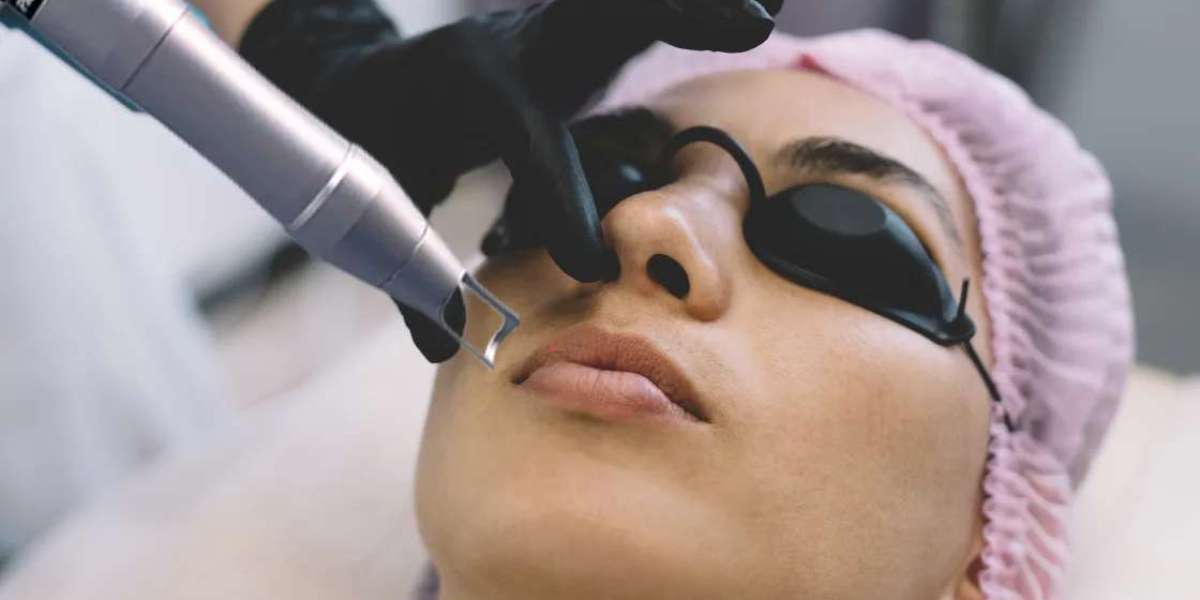

The world of aesthetic dermatology has evolved rapidly over the past decade, with laser technologies becoming more advanced, precise, and patient-friendly. Among these innovations, Picosure Laser Treatment in Dubaihas emerged as a groundbreaking solution for skin rejuvenation, pigmentation correction, and tattoo removal. But how does it truly compare to traditional laser systems that have been used for years? Understanding the distinctions between these technologies is essential for anyone considering laser-based skin treatments and wanting optimal results with minimal downtime.
Understanding How Traditional Lasers Work
Traditional laser systems generally operate using nanosecond technology. This means they deliver laser energy in billionths of a second. The primary mechanism behind these lasers is photothermal action. In simple terms, they generate heat to target specific pigments or skin concerns.
When treating pigmentation, acne scars, or tattoos, traditional lasers heat up the targeted area to break down pigment particles. While effective, this heat-based process can sometimes impact surrounding tissues. As a result, patients may experience longer recovery periods, redness, swelling, or temporary discomfort.
Traditional lasers have been widely used for conditions such as melasma, sun spots, and certain types of scarring. However, their reliance on thermal energy means there is a higher risk of post-inflammatory hyperpigmentation, particularly in individuals with medium to darker skin tones.
What Makes Picosecond Technology Different
Picosecond technology represents a significant advancement in laser science. Instead of operating in nanoseconds, picosecond lasers deliver energy in trillionths of a second. This ultra-short pulse duration changes how the laser interacts with the skin.
Rather than relying primarily on heat, picosecond lasers use a photoacoustic effect. This means they create a pressure wave that shatters pigment particles into much smaller fragments. These tiny particles are then naturally cleared by the body’s immune system.
The key difference lies in precision. With less heat generated, the surrounding tissues are less likely to be affected. This translates to improved safety, enhanced comfort, and reduced downtime.
Precision and Targeting Capabilities
One of the most notable distinctions between traditional lasers and picosecond systems is the level of precision. Traditional lasers can effectively target pigment, but the heat diffusion may extend slightly beyond the intended area.
Picosecond lasers, on the other hand, are engineered to deliver energy with extreme accuracy. The rapid pulses minimize thermal spread and allow for more controlled targeting of pigmentation, acne scars, and even fine lines.
This enhanced targeting capability makes picosecond technology particularly beneficial for delicate areas of the face and for patients who want noticeable improvement without aggressive treatment.
Effectiveness in Treating Pigmentation
Pigmentation concerns such as age spots, freckles, and sun damage are common reasons people seek laser therapy. Traditional lasers break down pigment through thermal energy, which can require multiple sessions and involve some recovery time.
Picosecond lasers fragment pigment more efficiently due to their ultra-short pulses. Because the pigment particles are broken into finer pieces, the body can eliminate them more effectively. This often results in faster visible improvements.
Additionally, the reduced heat exposure lowers the likelihood of triggering additional pigmentation issues, making picosecond treatments suitable for a broader range of skin types.
Tattoo Removal Performance
Tattoo removal is another area where the difference becomes clear. Traditional Q-switched lasers have long been the standard for removing unwanted ink. They use heat to shatter ink particles, but certain ink colors can be stubborn and require numerous sessions.
Picosecond lasers are more effective at breaking down resistant pigments, including blues and greens. The stronger photoacoustic effect allows for more comprehensive fragmentation of ink, often reducing the total number of sessions needed.
While both technologies can remove tattoos, picosecond systems tend to deliver faster clearance with potentially fewer side effects.
Impact on Acne Scars and Skin Texture
Beyond pigmentation and tattoos, lasers are commonly used to improve acne scars and uneven skin texture. Traditional lasers stimulate collagen production by creating controlled thermal injury in the skin. This encourages the body’s natural healing process and promotes smoother skin.
Picosecond lasers also stimulate collagen but do so through a combination of mechanical and minimal thermal effects. Some systems use specialized focus lenses to create microscopic areas of impact beneath the skin’s surface without significant damage to the top layer.
This approach can improve skin texture, reduce acne scars, and refine pores with less downtime compared to many traditional resurfacing lasers.
Downtime and Recovery Experience
Recovery time is a significant factor when choosing a laser treatment. Traditional lasers, particularly ablative types, may require several days to weeks of healing, depending on the intensity of the procedure.
Common side effects include redness, peeling, swelling, and sensitivity. While these effects are temporary, they can disrupt daily routines.
Picosecond treatments generally involve milder after-effects. Patients often experience temporary redness or slight swelling, but most can resume normal activities relatively quickly. The reduced thermal damage contributes directly to this shorter recovery period.
Safety Across Different Skin Types
Laser treatments must be carefully selected based on skin type and tone. Traditional lasers can be effective but may pose a higher risk of complications in darker skin tones due to heat-related inflammation.
Picosecond lasers, because of their reduced reliance on thermal energy, are often considered safer for a wider range of skin types. The minimized heat exposure lowers the risk of post-treatment hyperpigmentation and other adverse reactions.
This broader suitability makes picosecond technology an appealing choice for individuals seeking advanced treatment with enhanced safety profiles.
Comfort During the Procedure
Comfort levels during treatment also differ. Traditional lasers, particularly those that generate significant heat, may cause a stinging or snapping sensation. Cooling systems or topical numbing agents are often used to manage discomfort.
Picosecond treatments are generally described as more tolerable due to shorter pulse durations and less heat accumulation. While some sensation is still present, it is typically milder and more manageable.
Improved comfort can make the overall experience less intimidating, especially for first-time patients.
Long-Term Results and Treatment Sessions
Both traditional and picosecond lasers can deliver impressive results when performed correctly. However, the number of sessions required may vary.
Traditional lasers may require multiple treatments spaced weeks apart, especially for deeper pigmentation or extensive tattoo removal. Picosecond lasers often achieve comparable or superior outcomes in fewer sessions due to their advanced pigment-shattering capabilities.
That said, individual results depend on the specific concern being treated, skin condition, and adherence to post-treatment care guidelines.
Why Advanced Technology Matters
Laser technology continues to advance because patients demand safer, faster, and more effective solutions. The shift from nanosecond to picosecond systems represents a significant leap in both science and patient experience.
While traditional lasers remain valuable tools in dermatology, picosecond systems offer enhanced precision, reduced downtime, and broader skin compatibility. These advantages make them an increasingly preferred choice for individuals seeking cutting-edge aesthetic treatments.
Understanding these key differences empowers patients to make informed decisions tailored to their skin goals.
Book Us
If you are looking to rejuvenate your skin with advanced laser technology, Picosure Laser Treatment offers a modern solution designed for precision, comfort, and visible results. At Enfield Royal Clinic Dubai, we focus on delivering personalized treatment plans that align with your skin goals while ensuring safety and satisfaction. Book your consultation today and take the first step toward clearer, smoother, and more radiant skin with the latest innovations in laser therapy.