
Why Address Bumper Damage Promptly
Ignoring bumper damage can lead to more serious problems:
Compromised safety in future collisions
Malfunctioning sensors and cameras
Rust or corrosion on exposed metal
Reduced resale value
Prompt attention ensures your vehicle remains structurally sound and visually appealing.
Minor Bumper Repairs
Not all damage requires professional replacement. Minor repairs can often restore appearance and function quickly and cost-effectively.
1. Scratch Removal and Touch-Ups
For light scratches or paint chips, touch-up paint or scratch removal kits can work. These solutions conceal blemishes and prevent rust.
2. Small Dent Repair
Shallow dents in plastic bumpers may be fixed using heat and gentle pressure. Paintless dent repair (PDR) is another effective technique that preserves the factory finish.
3. Crack Repairs for Plastic Bumpers
Small cracks can sometimes be repaired with specialized adhesives or plastic welding. These methods restore strength and prevent the crack from spreading.
Professional Bumper Repairs
When damage is more extensive, professional services are the safest choice.
1. Panel Replacement
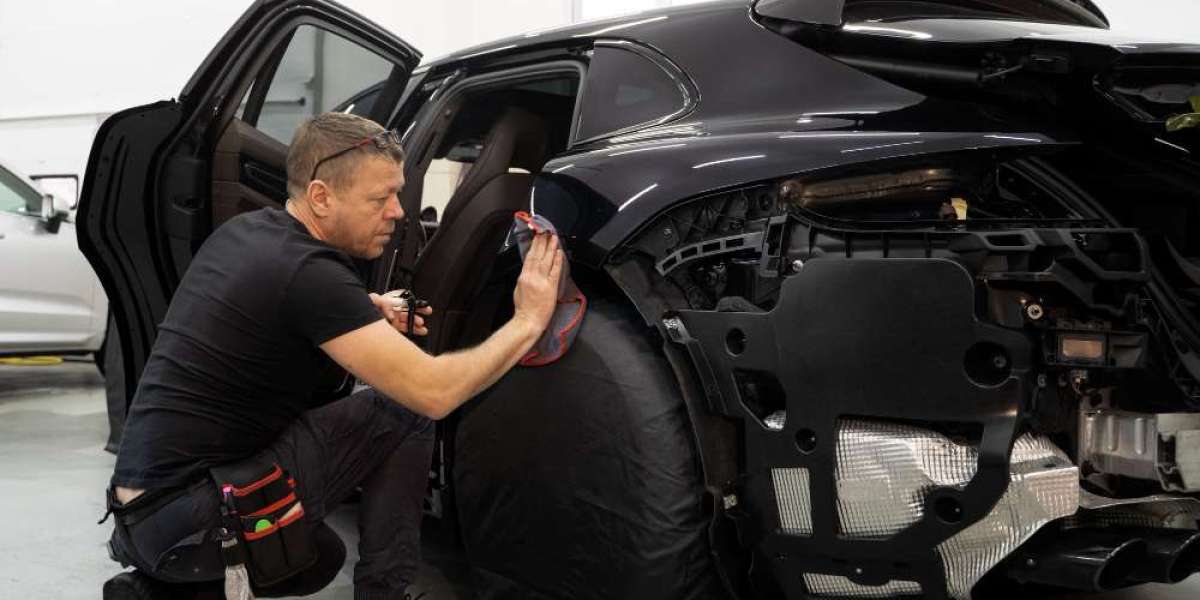
Severe cracks, deep dents, or structural damage often require replacing the entire bumper panel. Professionals ensure proper alignment, structural integrity, and sensor calibration.
2. Painting and Refinishing
Even minor repairs may require blending new paint with the existing finish. Certified repair shops use advanced color-matching technology for a seamless result.
3. Sensor and Safety System Recalibration
Modern bumpers house parking sensors, cameras, and radar for collision avoidance. Professionals recalibrate these systems after repair to ensure they function correctly.
Bumper Replacement vs. Repair
Deciding between repair and replacement depends on:
Severity of the damage
Location of cracks or dents
Involvement of safety systems
Age and value of the vehicle
Repair is ideal for minor cosmetic issues, while replacement ensures full structural integrity for major damage.
Cost Considerations
DIY minor repairs: $20–$150
Professional minor repairs: $150–$500
Full bumper replacement: $500–$1,500+
While DIY solutions are cheaper, professional repairs and replacements ensure safety, quality, and durability. Insurance coverage often helps offset the cost.
Tips for Preventing Future Bumper Damage
Maintain safe distances while driving
Use parking sensors or cameras effectively
Install bumper guards or protectors
Avoid tight or crowded parking areas
Preventive measures reduce the frequency of damage and keep repair costs down.
Conclusion
Bumper damage ranges from minor scratches to significant structural issues. Understanding the available repair options—from touch-ups and minor dent fixes to full replacement—helps car owners make informed decisions.
Prompt professional attention not only restores appearance but ensures your vehicle remains safe and road-ready. Investing in the right repair solution protects both your car’s value and your peace of mind.