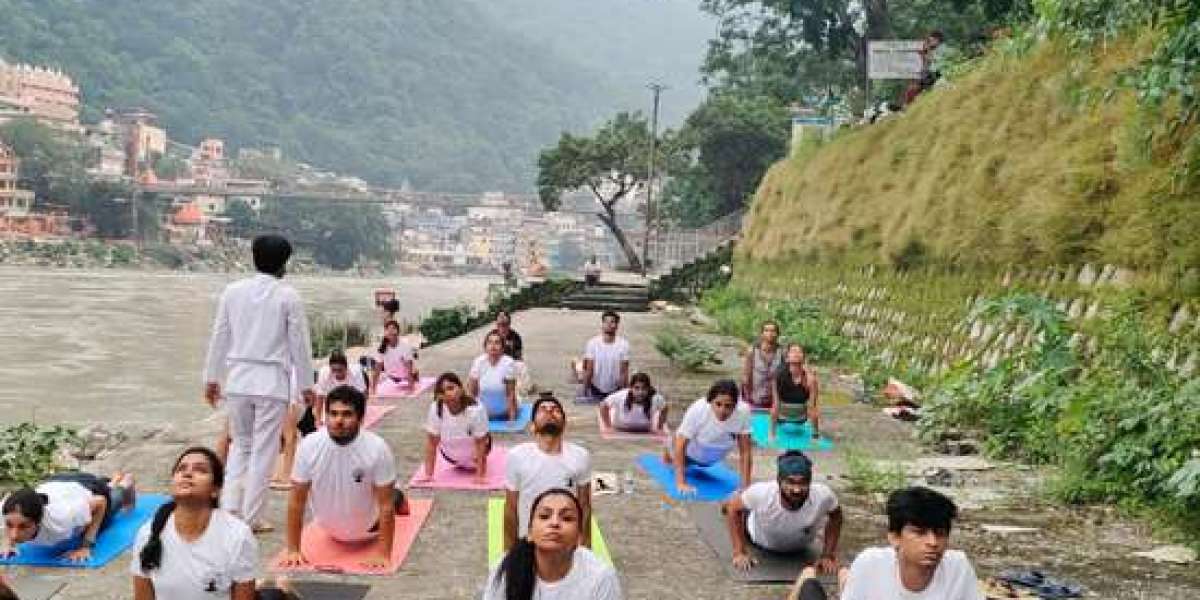

Yoga is far more than a physical practice; it is a profound science of self-awareness that has evolved over thousands of years. For those who wish to dedicate themselves fully to this transformative path, a 500 Hours Yoga Teacher Training India offers a deeply immersive and comprehensive education. Rooted in tradition yet adapted to modern needs, this advanced program is designed to refine your skills, deepen your knowledge, and elevate your understanding of authentic yogic living.
India, the birthplace of yoga, remains one of the most sought-after destinations for serious practitioners. Cities like Rishikesh, often called the Yoga Capital of the World, attract students from across the globe who seek traditional teachings in a spiritually rich environment. A 500 Hour program in India goes beyond basic certification—it is a journey of mastery, discipline, and personal transformation.
Understanding the 500 Hour Yoga Teacher Training
A 500 Hour Yoga Teacher Training (YTT) is considered an advanced-level program. It is often pursued after completing a 200-hour and 300-hour training, though some schools offer a direct integrated 500 Hour course. This extensive training combines foundational learning with advanced techniques, offering a well-rounded yogic education.
The curriculum typically includes:
Advanced asana practice and alignment
Pranayama (breathing techniques)
Meditation and mindfulness
Yoga philosophy
Anatomy and physiology
Teaching methodology
Practicum and teaching practice
Ayurveda basics
Mantra chanting and Sanskrit
By the end of the course, students are not only confident instructors but also deeply informed practitioners capable of guiding others safely and authentically.
Why Choose India for 500 Hour YTT?
1. Authentic Lineage and Tradition
Studying in India allows students to learn yoga in its original cultural and philosophical context. Teachings often draw from classical texts such as the Yoga Sutras of Patanjali and the Bhagavad Gita. Rather than focusing solely on physical postures, Indian programs emphasize the holistic aspects of yoga—ethical living, self-discipline, devotion, and spiritual insight.
Many teachers in India come from long-standing yogic lineages, offering authentic knowledge passed down through generations. This depth of wisdom adds a layer of richness to the learning experience.
2. Immersive Yogic Lifestyle
A 500 Hour training in India is not just a course—it is a lifestyle immersion. Students often follow a structured daily routine that begins early in the morning with meditation or pranayama, followed by asana classes, lectures, and self-study. Meals are typically vegetarian and sattvic, supporting physical and mental clarity.
Living in a serene environment, often near the Himalayas or the banks of the Ganges, encourages introspection and focus. In places like Rishikesh, the spiritual atmosphere enhances the depth of practice and learning.
3. Comprehensive Curriculum
Unlike shorter programs, a 500 Hour YTT provides ample time to explore each subject in detail. Students learn advanced sequencing, injury prevention, hands-on adjustments, and modifications for different body types and abilities.
The anatomy component dives deeper into muscular systems, skeletal alignment, and breath mechanics. Philosophy sessions explore the eight limbs of yoga, karma theory, chakras, and meditation practices in depth.
This comprehensive approach ensures that graduates are well-equipped to teach diverse groups with confidence and clarity.
Key Components of the Training
Advanced Asana and Alignment
In a 500 Hour course, asana practice becomes more refined. Students work on mastering advanced postures while also learning to break them down safely for others. Emphasis is placed on alignment, balance, strength, and flexibility.
Workshops often focus on inversions, arm balances, backbends, and therapeutic applications. Detailed instruction helps students understand the mechanics behind each posture rather than merely memorizing sequences.
Pranayama and Meditation
Breath control is central to yoga. Students study classical pranayama techniques, understanding their physiological and energetic effects. Practices such as alternate nostril breathing, kapalbhati, and deep diaphragmatic breathing are explored thoroughly.
Meditation sessions guide students through various techniques including mantra meditation, mindfulness, and visualization. Over time, these practices cultivate mental clarity and emotional stability.
Yoga Philosophy
Philosophy forms the backbone of comprehensive yogic education. Students examine the ethical principles of yoga (Yamas and Niyamas), the concept of dharma, and the path to self-realization. Study of texts like the Yoga Sutras of Patanjali helps students understand yoga beyond the mat.
Discussions and reflective assignments encourage critical thinking and personal integration of these teachings.
Teaching Methodology
A significant portion of the 500 Hour training is dedicated to teaching skills. Students learn how to structure classes, offer clear cues, observe students effectively, and create a safe, inclusive environment.
Teaching practice sessions provide valuable feedback from mentors and peers. This builds confidence and refines communication skills, ensuring that graduates are prepared to lead classes independently.
Personal Transformation Through Discipline
The intensity of a 500 Hour training requires commitment and perseverance. The structured routine, physical demands, and intellectual study challenge students to grow beyond their comfort zones.
Many participants describe the experience as life-changing. The combination of disciplined practice, self-reflection, and supportive community fosters deep personal transformation. Students often develop increased self-awareness, resilience, and a stronger sense of purpose.
Living in India also exposes students to diverse cultures and spiritual traditions. Visiting temples, attending local ceremonies, and interacting with fellow seekers from around the world enrich the overall experience.
Career Opportunities After Completion
Graduates of a 500 Hour YTT are qualified to teach at advanced levels and may pursue specialized fields such as:
Therapeutic yoga
Prenatal yoga
Restorative yoga
Corporate wellness programs
Retreat leadership
Studio ownership
The advanced certification enhances credibility and opens doors to global teaching opportunities. Many graduates go on to conduct workshops, create online courses, or mentor aspiring teachers.
Choosing the Right School
Selecting the right yoga school in India is crucial. Prospective students should consider:
Accreditation and certification
Experience and qualifications of instructors
Curriculum depth
Class size
Reviews and testimonials
Accommodation and meal quality
Visiting the school’s website, attending introductory sessions, and communicating directly with instructors can help ensure the program aligns with personal goals.