
An industrial gas leak happens when gases used in factories or production facilities are accidentally released into the air. These gases are typically stored under high pressure or transported through sealed piping systems. When pipes crack, valves fail, or seals loosen with age, gas can escape sometimessilently and without any visible warning signs.
Some of these gases may be toxic, flammable, or even asphyxiating, meaning they can reduce oxygen levels in the air. The health risks they pose do not disappear once the air seems clear again. In many cases, the effects can last for years or even a lifetime.
Short-term symptoms such as coughing or dizziness may gradually fade, but long-term consequences, including lung damage, neurological disorders, heart disease, and even cancer, can quietly and permanently alter a person's life.
High-Risk Industries and Workplaces for Gas Hazards
Mining and Quarrying
While naturally occurring gases are essential to life, some can quickly rob you of yours. These substances are typically found underground, and they're one of the deadliest occupational hazards for miners and metalworkers. When inhaled, they cause asphyxia and chronic respiratory illness. Some are even flammable and explode when exposed to high temperatures.
In excavation sites, methane (CH4) and hydrogen sulfide (H2S) are notable hazards. They're highly combustible, and most fires and coal mine explosions result from their ignition. These have been the leading causes of death for thousands of workers throughout the history of mining.
Chemical Refining
Oils pressed or extracted from plants and other sources are refined before industrial use, such as cosmetic or pharmaceutical applications. Contaminants like free fatty acids, pro-oxidants, and phosphatides must be removed to make the final product safe for human consumption.
To do this, the industry uses an array of chemicals like ammonia (NH3) and chlorine (Cl2). As toxic gases, their levels must be kept to a minimum to protect workers. NH3 and Cl2 react explosively when combined with certain substances.
You may initially smell these fumes inside the facility, but prolonged exposure dulls your ability to perceive their odor. Professional gas leak detection equipment is useful in these conditions since they monitor the air composition and warns you as soon as chemicals reach toxic levels.
Pulp and Paper
Like in mining and quarrying, methane and hydrogen sulfide are the main gases of concern when making pulp and paper. The process involves breaking down lignin, the glue that holds these products together. The chemical reaction releases CH4 and large amounts of H2S, which become health hazards when not handled properly. Exposure to high concentrations lowers the oxygen level in the blood, causing asphyxia or suffocation that leads to unconsciousness, pulmonary injury, or death.
Automotive
Automotive facilities include labs for research and development and environmental chambers for engine testing. If these aren't monitored properly, harmful gases easily build up in them. Substances like sulfur dioxide (SO2) and nitric oxide (NO) will accumulate as they're emitted from the combustion of hydrocarbon fuels. They become a hazard to workers when mixed in the air.
Exposure to SO2 and NO may cause severe chemical burns, and if they come in contact with the eyes, a person can suffer from loss of vision. Other adverse effects range from headaches, tiredness, and general discomfort to fluid buildup in the lungs, swelling of the upper respiratory tract, and even death.
Food and Beverage
Food and beverage companies may not cross your mind when talking about industries that have to face hazardous gases. But, it's common for factories and processing plants to have certain amounts of carbon dioxide (CO2). These come from dry ice or leavening agents like yeast. They're also used to add carbonation to water or soda.
This chemical compound won't poison you when mixed with food, but it can be dangerous when inhaled in high concentrations. It may suffocate workers and elevate their blood pressure.
If you're constantly working with or exposed to toxic substances, it's crucial to be proactive about your employees'health. Provide them with personal protective equipment, invest in gas detection monitors, and always comply with OSHA standards. These precautionary measures not only save lives but keep your processes efficient as well. Get in touch with DOD Technologies, Inc. to learn more about how to detect invisible hazards in the workplace.
Gas hazards are more likely to occur in certain work environments due to the materials used, the processes involved, and limited airflow. Safety authorities and industry competitors consistently highlight the following settings as high-risk areas where gas exposure incidents are most common.
Gas Plants
Gas plants handle large volumes of combustible and toxic gases every day. Methane, hydrogen sulfide, and other process gases can escape during extraction, processing, or storage. Small leaks can quickly build up to dangerous levels, especially in enclosed operational areas. Workers in gas plants face risks of toxic exposure, fire, and explosions if gas detection and ventilation systems are not properly maintained.
Refineries
Refineries process crude oil into usable fuels and chemicals, which produce many hazardous gases as by-products. Carbon monoxide, hydrogen sulfide, and volatile organic compounds are common in refinery operations.
High temperatures, pressurized systems, and complex piping increase the chance of leaks. Because refineries operate continuously, even short delays in detecting gas hazards can lead to serious incidents.
Wastewater Treatment Facilities
Wastewater treatment plants are known for gas-related risks due to the natural breakdown of organic waste. This process releases gases such as hydrogen sulfide and methane. These gases often collect in enclosed areas like digesters, pump stations, and underground chambers. Poor ventilation and confined working conditions make early detection critical in these facilities.
Laboratories
Laboratories may seem low risk, but they often use compressed gases, toxic vapours, and reactive substances. Leaks from gas cylinders, faulty regulators, or improper handling can quickly contaminate small enclosed spaces. Because labs are often indoors with limited airflow, gas exposure can escalate rapidly if safety procedures are not followed.
Food Processing and Refrigeration Systems
Food processing plants frequently use ammonia-based refrigeration systems. Ammonia is effective for cooling but highly irritating and dangerous when released into the air. Leaks can occur due to equipment failure, corrosion, or improper maintenance. Workers in these facilities may be exposed during routine operations or emergency repairs.
Confined Spaces such as Pits, Tanks, and Sewers
Confined spaces present some of the highest gas hazard risks in any industry. Pits, tanks, sewers, and underground vaults often have poor natural ventilation. Toxic gases can accumulate, oxygen levels can drop, and flammable gases can reach explosive concentrations.
Many fatal gas incidents occur during confined space entry without proper testing or monitoring. Enrolling workers in a Confined Space Training course helps ensure they understand gas hazards, testing requirements, and safe entry procedures.
Understanding common gas hazards in the workplace is crucial for protecting employees, equipment, and the environment. Gases such as carbon monoxide, hydrogen sulfide, methane, ammonia, and chlorine pose serious risks due to their toxic, flammable, corrosive, or oxygen-displacing properties.
How to Reduce Gas Leak Risks in Industrial Facilities
Preventing industrial gas exposure requires a combination of training, equipment maintenance, and continuous environmental monitoring. Companies operating in high-risk industries should:
- Install fixed gas detection systems in enclosed or high-risk areas
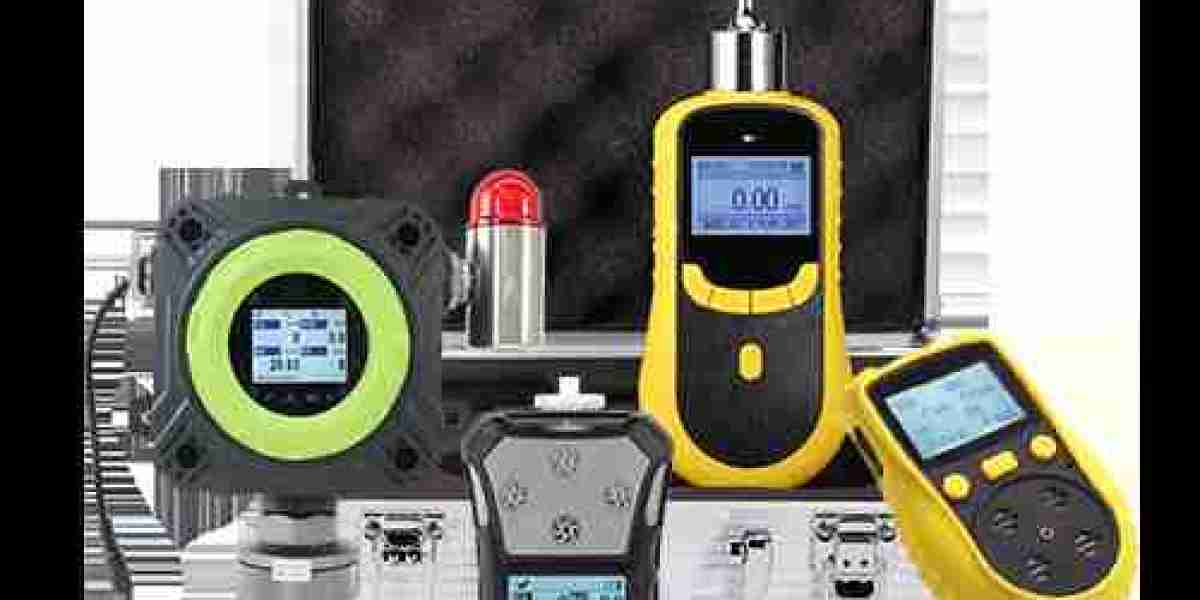
- Equip workers with portable gas detectors
- Regularly inspect pipelines, valves, and storage tanks
- Improve facility ventilation systems
- Conduct confined space safety training
- Follow OSHA and local industrial safety regulations
- Develop emergency evacuation and response procedures
Facilities that proactively manage gas hazards not only protect workers but also reduce downtime, equipment damage, and legal liabilities.
For industries handling combustible or toxic gases, investing in reliable gas detection technology is one of the most effective long-term safety strategies.
This is why industrial facilities increasingly rely on advanced gas detection systems to monitor air quality in real time. Portable gas detectors and fixed monitoring systems help identify hazardous gases before they reach dangerous concentrations, allowing workers to evacuate quickly and reducing the risk of fires, explosions, and long-term health damage.
Many manufacturers now use professional industrial gas monitoring solutions such as those offered by Gas Dog gas detectors to improve workplace safety and comply with industrial safety standards.