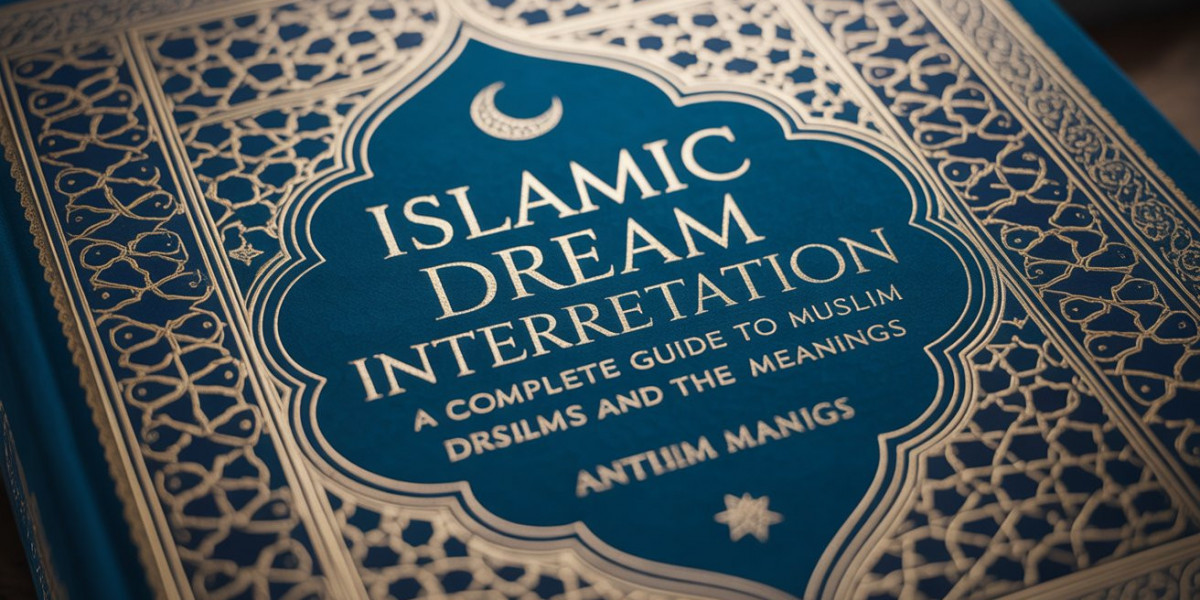

Dreams have fascinated humanity for centuries, and in Islam, they hold a special place as a form of spiritual guidance and insight. Whether you're searching for "Islamic dream interpretation" or "dream meanings in Islam," this comprehensive guide will explore the rich tradition of interpreting dreams through an Islamic lens. Rooted in the Quran, Hadith, and the works of renowned scholars like Ibn Sirin, dream interpretation in Islam offers a way to understand messages from Allah, warnings from Shaytan, or reflections of our own thoughts.
The Importance of Dreams in Islam
In Islam, dreams are not mere random thoughts but a significant part of spiritual life. The Quran mentions dreams multiple times, such as in Surah Yusuf, where Prophet Yusuf (Joseph) interprets dreams that foretell future events. Dreams are seen as a form of "spiritual perception," referred to as Ru'yaa (vision), Manam (sleep), Hulum (dream), and Bushra (tidings). The Prophet Muhammad (PBUH) emphasized their value, stating that true dreams are "one of the forty-six parts of prophethood."
Historically, dreams have played pivotal roles in Islamic narratives. For instance, Prophet Ibrahim's dream of sacrificing his son Isma'il was a divine command, and Prophet Muhammad (PBUH) received revelations through dreams at the start of his prophethood. Towards the end of time, dreams will become more truthful as a compensation for weaker faith, providing believers with guidance and patience.
Dream interpretation, or Ta'bir, has been practiced for over 1500 years by Muslim scholars. It aligns with psychological theories in some ways but is firmly grounded in faith. Understanding dream meanings in Islam can help Muslims seek repentance, prepare for challenges, or express gratitude for glad tidings. However, it's crucial to approach this with caution, as misinterpretation can lead astray.
Types of Dreams According to Islam
Islamic teachings classify dreams into three main categories, based on Hadith from the Prophet (PBUH): "Dreams are of three types: a righteous dream which is glad tidings from Allah, the dream which causes sadness is from Shaitan, and a dream from the ramblings of the mind."
Ru'yaa (True or Good Dreams): These are divine messages from Allah, often providing moral guidance, glimpses of the future, or communication with the deceased. They are uplifting, short, and clear, leaving the dreamer with positive emotions like joy or indifference. True dreams are more common among the righteous and truthful, as the Prophet said: "Those of you with the truest dreams will be those who are most truthful in speech." Examples include seeing the Prophet (PBUH), which is always authentic since Shaytan cannot imitate him.
Hulum (Bad Dreams): Originating from Shaytan, these cause distress, fear, or sadness. They are often long, confusing, and pointless. Upon waking, one should seek refuge in Allah by saying "A'udhu billahi min ash-shaytanir-rajim," spit dryly to the left three times, turn over, and pray if possible. Do not share them, as this prevents harm.
Nafsani (Dreams from the Self): These stem from daily thoughts, worries, or experiences, like recent events or desires. They have no prophetic value and are simply the mind processing information.
Distinguishing types involves considering feelings upon waking, dream length, and recurrence. True dreams often occur before dawn and may require interpretation by scholars.
Famous Islamic Dream Interpreters: Focus on Ibn Sirin
One of the most revered figures in Islamic dream interpretation is Muhammad Ibn Sirin (d. 728 CE), a Tabi'i scholar known for his piety and knowledge. His "Dictionary of Dreams" is a comprehensive guide, though some attributions are debated. Ibn Sirin emphasized that interpretations depend on the dreamer's circumstances, character, and cultural context.
His work covers thousands of symbols, using principles like contraposition (opposites), correlation, and strength (truer for the righteous). For example, he interpreted body parts as symbols of family or wealth. Other scholars like Ibn al-Qayyim and al-Baghawi built on this, stressing authentic sources. Today, resources like myIslamicDream.com draw from his traditions.
How to Interpret Dreams in Islam
Interpreting dreams requires knowledge of Islamic sources and caution. Here's a step-by-step guide based on scholarly methods:
Pray for Guidance: Before seeking interpretation, perform Istikhara or dua for clarity.
Categorize the Dream: Determine if it's Ru'yaa, Hulum, or nafsani.
Relate Honestly: Share the full dream without additions or omissions—lying about dreams is a major sin.
Consult Experts: Seek a knowledgeable scholar or trusted advisor who interprets positively.
Use Islamic References: Interpret via:
Quran (e.g., rope as covenant).
Sunnah (e.g., crow as a wicked man).
Proverbs or names (e.g., a man named Rashid symbolizing guidance).
Opposites (e.g., fear meaning safety).
Metaphors.
Consider Context: Timing (dawn dreams are truer), dreamer's state (pious vs. sinner), and repetition matter.
Avoid major decisions based solely on dreams, as interpretations are presumptive.
Common Dream Symbols and Their Meanings in Islam
Here are 20 common dream symbols from Ibn Sirin's dictionary and other sources, with meanings varying by context. Always consult a scholar for personal interpretation.
Symbol | Meaning |
Snake | Represents an enemy; black snake: strong foe; killing it: victory over enemies; talking nicely: benefits from adversaries. |
Teeth Falling Out | Loss of family members or relatives; upper teeth: males, lower: females. |
Flying | Elevation in status or travel; falling: failure or harm. |
Water | Knowledge, life, or prosperity; clear sea: strong ruler; drinking sea water: wealth and power. |
Fire | Guidance if warming others; worshipping it: serving a tyrant; unlit: illegal gains. |
Death | Long life for the sick; repentance for sinners; seeing own death: end of worries. |
Pregnancy | Wealth or increase for men; worries for women; giving birth to boy: relief, girl: distress. |
Marriage | Prosperity or new responsibilities; marrying unknown: death or house move. |
Cow | Years of prosperity; fat cow: fertile year; milking: benefits from authority. |
Bird | Soul or message; bird flying from body: death; owning: leadership. |
Moon | Just ruler or scholar; in lap: marriage; full moon: justice. |
Snow | In season: relief from troubles; off-season: illness or hurdles. |
Milk | Knowledge or lawful wealth; drinking from the Prophet: wisdom. |
Pearls | Quranic knowledge; scattering: teaching others. |
Falling from Height | Warning of accidents or losses; avoid risks. |
Child | Glad tidings; carrying: responsibilities; self as child: relief from sins. |
Black Color | Prosperity or sickness; black woman: richness but short life. |
Knife | Servant or proof; swallowing: inheriting wrongfully. |
Grave | Prison or reminder of hereafter; digging: marriage. |
These symbols often use opposites or metaphors. For instance, a snake might symbolize envy or hidden treasure if gold-skinned. Dreams of body parts like hands represent strength or family, while natural elements like clouds signify sustenance.
Expanding on a few: Dreaming of snakes is common and often warns of hidden enemies or jealousy. Teeth dreams relate to family dynamics, with falling teeth indicating disputes or losses. Flying dreams can inspire ambition but caution against overreach. Water dreams emphasize purity—turbid water might mean corrupted knowledge. Fire symbolizes trials, but controlled fire brings light and wisdom.
In Ibn Sirin's view, the same symbol varies: A cow for a farmer means fertility, but for a ruler, authority. This personalization makes Islamic dream interpretation profound and context-specific.
Rules and Etiquettes for Sharing and Interpreting Dreams
Islamic etiquette stresses humility and caution:
Share good dreams only with trusted loved ones; praise Allah.
For bad dreams, seek refuge and remain silent.
Never lie about dreams—it's among the worst lies.
Interpret positively; avoid harm.
Dreams aren't for fortune-telling; use them for spiritual growth.
To encourage true dreams: Eat halal, speak truthfully, sleep pure, face Qiblah.
Conclusion: Embracing Dreams as a Gift from Allah
Islamic dream interpretation offers a window into the soul, blending faith, wisdom, and self-reflection. From Ibn Sirin's symbolic dictionary to the Prophet's Hadiths, dreams remind us of Allah's guidance in our lives. Whether exploring "dream meanings in Islam" for personal insight or spiritual growth, remember: Approach with sincerity, consult experts, and use dreams to strengthen your iman.
If you've had a dream you'd like interpreted, share it with a trusted scholar—not online forums, as context matters. For more on Islamic topics, check our related posts on Quran tafser or Hadith studies. Stay connected for SEO-optimized Islamic content that enlightens and inspires.