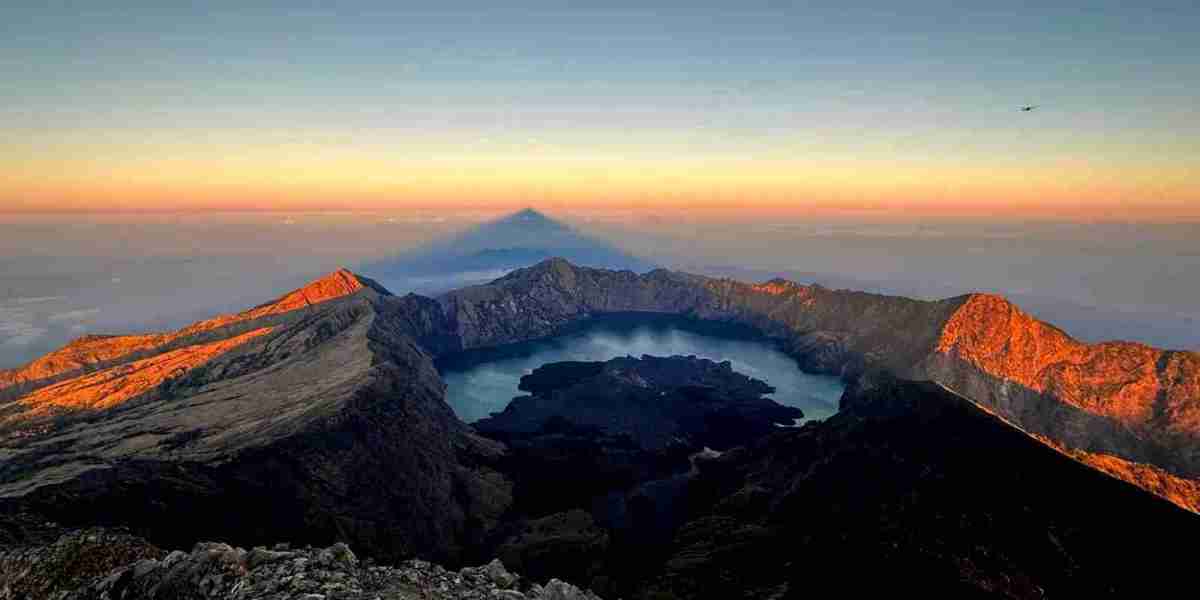

You have booked your trek, packed your bag, and arrived in Lombok with visions of sunrise vistas dancing in your head. But here is something most online articles will never tell you: a successful Rinjani climb depends less on your expensive gear and more on the small, practical knowledge you carry in your head. The mountain has its own personality, its own moods, and its own set of unspoken rules. Local guides who have walked these trails hundreds of times hold secrets that no guidebook captures. These are not complicated techniques or fancy equipment. They are simple pieces of wisdom earned through years of watching trekkers succeed and fail on the same slopes. Listen closely, because these local secrets might be the difference between celebrating on the summit at sunrise and turning back in defeat before dawn even breaks.
The Hydration Secret That Saves Summit Nights
Every local guide knows that dehydration is the number one reason trekkers fail the summit push, but not for the reason you might think. It is not about drinking too little water during the climb itself, though that matters too. The real secret is hydrating aggressively the day before your summit attempt. Most trekkers arrive at the crater rim campsite after a long, exhausting day of climbing, eat dinner quickly, and fall asleep without drinking nearly enough water. Your body needs those hours of darkness to process fluids and prepare your muscles for the 2 AM wake-up call. Local guides recommend drinking at least one full liter of water in the hour after arriving at camp, then another half liter right before bed. Keep a water bottle inside your sleeping bag so it does not freeze overnight, and take small sips whenever you wake during the night. A well-hydrated body handles altitude better, recovers faster between efforts, and climbs stronger when it matters most. That simple habit of evening hydration has saved more summit attempts than any expensive energy gel or supplement on the market.
Why Local Guides Float Down the Scree
Watch a local guide descend the volcanic scree section of Rinjani, and you will notice something that looks almost like magic. They do not carefully place each foot or lean back cautiously like most trekkers. Instead, they almost run, using a technique that looks reckless but is actually brilliantly efficient. The secret is to let the scree work for you rather than fighting against it every step of the way. Lean slightly forward from your ankles, keep your knees soft and flexible, and take shorter, quicker steps that allow the sliding gravel to carry you downhill in a controlled glide. Your heels dig in just enough to slow your momentum, but not so much that you come to a complete stop with each step. This method saves your knees from the brutal jarring that comes with heel-first stomping on hard-packed sections. It also keeps you more stable because you are moving with the mountain’s natural rhythm instead of fighting against it. Ask your guide to demonstrate before the descent begins, and practice on smaller slopes first before attempting the long sections. Your knees will thank you for days afterward, and you will arrive at the bottom with energy to spare.
The Breathing Trick That Beats Thin Air
Altitude affects everyone differently, but local guides have a breathing technique that helps trekkers push through the worst of it when their lungs start to struggle. The secret is called rhythm breathing, and it works like this: inhale deeply through your nose for three steady steps, then exhale forcefully through your mouth for two shorter steps. The uneven three-two pattern keeps your lungs from settling into a shallow, inefficient rhythm that fails to fully exchange oxygen. When the air gets thin above 3,000 meters, your natural instinct is to gasp and breathe faster and shallower, which actually reduces oxygen absorption in your lower lungs. Forced, rhythmic breathing pushes more air into the deepest parts of your lungs where oxygen exchange happens most efficiently. Local guides teach this technique to trekkers who start showing early signs of altitude struggle—mild headache, slight nausea, unusual fatigue. Many climbers who thought they had to turn back found an extra hour or more of strength simply by changing how they breathed. Practice this rhythm on stairs before your trip so it feels natural and automatic when you need it most at 4 AM on the summit scree.
The Meal Timing Secret Most Trekkers Ignore
Tour operators provide meals on the mountain, but when you eat those meals matters just as much as what you eat. Local guides know that eating a heavy meal right before the summit push is a disaster waiting to happen for your energy levels and your stomach. Digestion diverts blood flow away from your muscles and lungs, leaving you feeling sluggish, short of breath, and potentially nauseous on the steep climb. The secret is front-loading your calories earlier in the day. Eat a substantial breakfast on day one, a large lunch, and a moderate dinner. On summit night specifically, eat your biggest meal at the previous lunch, then keep dinner small and simple—think instant soup, a banana, or a small portion of rice. Your body needs readily available energy, not a full stomach working overtime on digestion. Guides also recommend eating something small every thirty to forty minutes during the summit climb itself, like a handful of nuts, a few bites of bread, or half an energy bar, to maintain steady blood sugar without triggering a digestive crash.
What Local Guides Watch for in the Sky
Tourist weather apps on your phone are often wrong on Rinjani Trekking Guide because the mountain creates its own unique microclimate that forecasts miss entirely. Local guides learn to read the sky in ways no app can replicate, using patterns passed down through generations. The secret is watching the direction and shape of the clouds at different elevations simultaneously. Thin, wispy clouds moving consistently from the south typically mean stable weather for the next twelve hours or more. Fluffy, building clouds that seem to grow taller rather than moving across the sky signal afternoon rain is likely. The most dangerous sign is wind shifting suddenly from the east to the west, which often precedes a major storm with lightning risk. Guides also pay close attention to how birds behave around the mountain—when they fly low to the ground and stay close to cover, bad weather is approaching quickly. Ask your guide to explain what they are seeing before you start each day. Learning to read the mountain’s signals keeps you safe and makes you feel more connected to the living environment around you.
The Rest Step That Saves Energy on Steep Climbs
Watch inexperienced trekkers on the steep sections of Rinjani, and you will see a common inefficiency. They take a step upward, pause with both feet flat on the ground, then take another step. That full pause actually wastes significant energy because you lose all your forward momentum and your muscles have to restart from zero with each step. Local guides use a technique called the rest step, borrowed originally from Himalayan climbing traditions. Here is how it works in practice: as you step forward and up with one foot, lock your back knee straight and let your skeleton, not your muscles, support your body weight for a split second before shifting your weight forward. That tiny pause, barely half a second, allows your leg muscles to relax briefly without stopping your forward movement entirely. The result is a climbing rhythm that feels slightly slower but actually sustains much longer because you never fully exhaust any muscle group. Practice this on stairs or a steep hill before your trip. Once it becomes automatic, you will climb steep terrain with noticeably less fatigue and arrive at the top with energy to spare for the view.
The Packing Secret That Keeps You Warm at Night
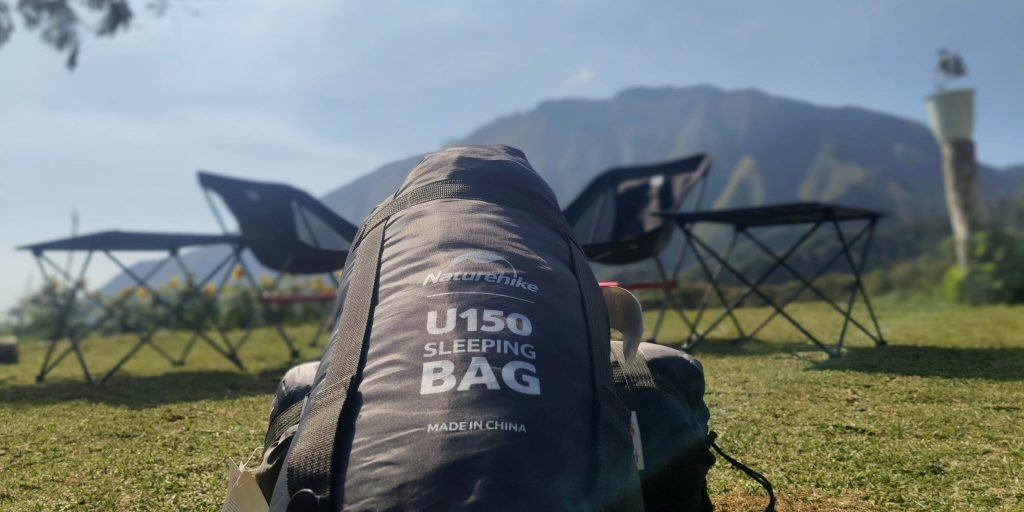
Cold nights on the crater rim catch many trekkers by surprise, even those who packed what they thought were warm clothes. The secret local guides share is about layering order, not just quantity or thickness. Your sleeping bag works best when there is a thin layer of trapped air between your body and the bag’s insulation. Wearing too many thick layers inside the bag compresses that air space and actually makes you colder by reducing the bag’s effectiveness. The optimal system is a thin moisture-wicking base layer against your skin, a single mid-weight fleece or wool layer, and then the sleeping bag itself. On top of the bag, add your emergency blanket or rain jacket as an extra reflective layer. The reflective surface bounces your own body heat back toward you rather than letting it escape into the cold night air. Also, and this is crucial, change into completely dry clothes before sleeping. The sweat from the day’s climb, even if you do not feel obviously damp, will chill you dramatically once your body temperature drops during sleep. Guides also recommend filling your water bottle with warm water from dinner and placing it inside your sleeping bag near your feet or core. It acts as a free, long-lasting hot water bottle for several hours of precious warmth.