
Nutrition Tips for a High-Protein Roam Diet | Best Writes
Nutrition Tips for a High-Protein Roam Diet are essential for anyone looking to optimize health, support muscle growth, and maintain balanced energy levels. At Best Writes, we focus on evidence-based guidance to help you make the most of this protein-centric eating approach. The high-protein roam diet emphasizes protein-rich meals, balanced macronutrients, and whole-food choices, making thoughtful nutrition planning key to achieving long-term success.
This guide provides practical tips and strategies to maximize the health benefits of the high-protein roam diet.
1. Prioritize Protein in Every Meal
Protein is the cornerstone of the roam diet. Including protein at every meal helps:
Support muscle repair and growth
Increase satiety and reduce cravings
Boost metabolism
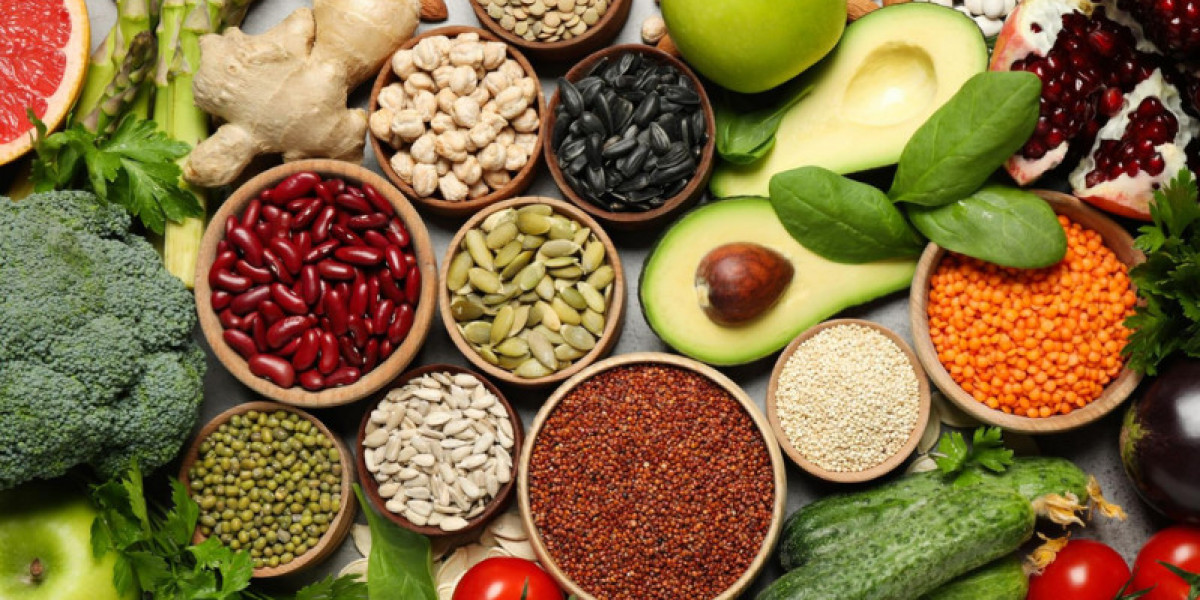
Protein sources: chicken, turkey, fish, eggs, Greek yogurt, cottage cheese, tofu, lentils, beans, and tempeh.
Tip: Aim for 25–40 grams of protein per main meal to meet daily requirements efficiently.
2. Incorporate a Variety of Protein Sources
Variety ensures nutrient diversity and keeps meals interesting.
Rotate animal-based proteins like chicken, fish, and eggs
Include plant-based proteins such as lentils, chickpeas, tofu, and edamame
Add protein-rich snacks like nuts, seeds, or Greek yogurt
Tip: Combining plant and animal proteins can enhance overall amino acid intake for better muscle support.
3. Balance Carbohydrates and Protein
Carbohydrates provide the energy needed for daily activity and exercise.
Recommended carb sources:
Whole grains: quinoa, brown rice, oats, barley
Starchy vegetables: sweet potatoes, squash, pumpkin
Fruits: berries, apples, oranges
Tip: Pairing protein with complex carbohydrates stabilizes blood sugar and prolongs energy levels.
4. Include Healthy Fats
Healthy fats support hormone function, nutrient absorption, and satiety.
Recommended sources:
Olive oil, avocado, flaxseed oil
Nuts and seeds: almonds, walnuts, chia seeds
Fatty fish: salmon, mackerel, sardines
Tip: Use fats in moderation and favor whole-food sources over processed fats.
5. Prioritize Fiber-Rich Vegetables
Vegetables provide essential vitamins, minerals, antioxidants, and fiber. Fiber also promotes digestive health.
Recommended vegetables:
Leafy greens: spinach, kale, arugula
Cruciferous vegetables: broccoli, cauliflower, Brussels sprouts
Colorful vegetables: bell peppers, carrots, zucchini
Tip: Aim to fill half your plate with vegetables at every meal.
6. Stay Hydrated
Adequate hydration supports digestion, nutrient transport, and energy.
Drink water consistently throughout the day
Include unsweetened beverages such as herbal tea
Limit sugary drinks and sodas
Tip: Aim for at least 8 cups (2 liters) of water daily, adjusting for activity levels.
7. Plan and Prep Meals Ahead
Meal planning ensures consistency, balance, and convenience.
Effective strategies:
Cook proteins and grains in bulk
Pre-chop vegetables and store in containers
Use reusable containers for grab-and-go meals
Prepare snacks like boiled eggs or nut packs in advance
Tip: Planning meals reduces reliance on processed foods and helps maintain adherence to the diet.
8. Track and Adjust Portions
While calorie counting is not mandatory, portion control ensures proper macronutrient balance.
Protein: 25–40g per main meal
Carbohydrates: 1–2 servings of whole grains or starchy vegetables per meal
Fats: 1–2 servings per meal (nuts, avocado, oil)
Tip: Adjust portions based on activity level, goals, and individual energy needs.
Sample Day of High-Protein Roam Meals
Breakfast: Greek yogurt with chia seeds, almonds, and berries
Lunch: Grilled chicken with quinoa and roasted broccoli
Snack: Cottage cheese with fruit or a protein smoothie
Dinner: Baked salmon with sweet potato and steamed spinach
This sample shows a balance of protein, complex carbs, healthy fats, and fiber-rich vegetables.
Frequently Asked Questions (FAQ)
Can I follow this diet if I am vegetarian or vegan?
Yes. Plant-based proteins such as lentils, beans, tofu, and tempeh are excellent alternatives.
Do I need to count calories?
No. Balanced meals with appropriate portions of protein, carbs, and fats are usually sufficient.
How often should I eat protein-rich meals?
Ideally, include protein in every meal, aiming for 3 main meals and 1–2 optional snacks per day.
Can this diet support weight loss?
Yes. Protein enhances satiety, boosts metabolism, and helps preserve lean muscle during weight management.
Are supplements necessary?
Supplements are optional. Most nutrients can be obtained from whole foods. Protein powders can help if daily intake is insufficient.
Final Thoughts | Best Writes
Nutrition Tips for a High-Protein Roam Diet focus on prioritizing protein, balancing macronutrients, incorporating fiber-rich vegetables, and planning meals strategically. By following these tips, you can optimize muscle health, energy levels, digestion, and overall wellness.
At Best Writes, we provide practical guidance to help you implement the high-protein roam diet effectively, making it a flexible, sustainable, and health-oriented approach suitable for beginners and experienced individuals alike.