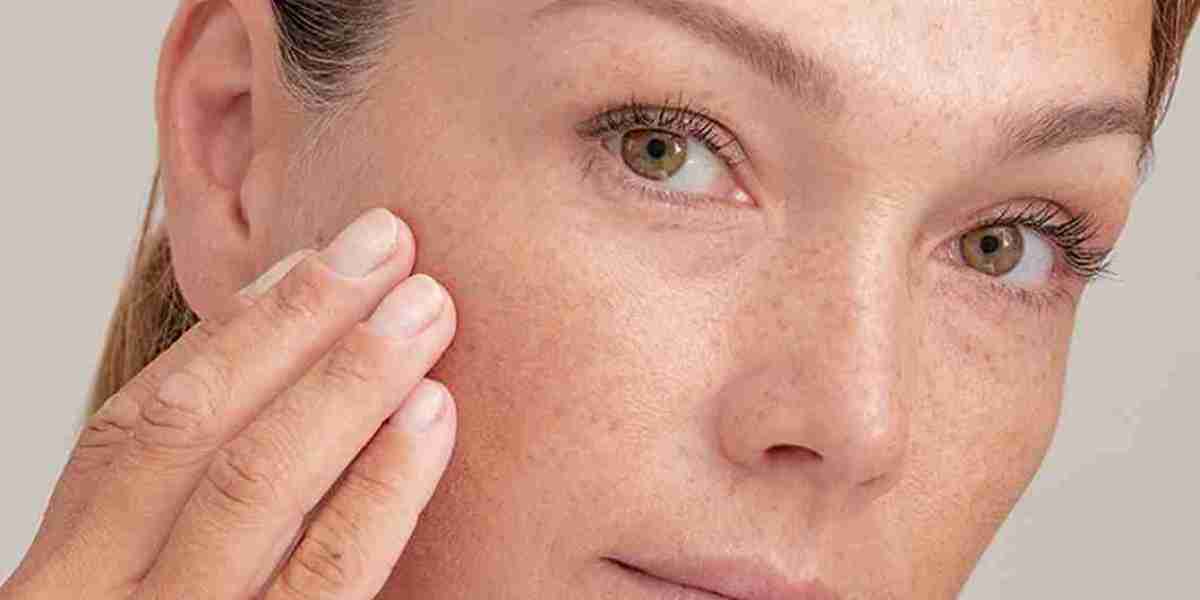

Melasma has a strange habit of showing up quietly and then becoming impossible to ignore. One day it’s a small patch near your cheek, and suddenly it feels like your skin tone has completely changed. Many people searching for Melasma Treatment in Vasant Kunj are surprised to learn that melasma is not just “one type” of pigmentation. In fact, there are three different kinds of melasma, and each behaves differently on the skin.
Understanding these types actually makes treatment easier and much less confusing.
First Things First — What Is Melasma?
Melasma is a skin condition where extra pigment forms dark or brownish patches on the face. It usually appears on the cheeks, forehead, nose, chin, or upper lip.
The common triggers include:
Sun exposure
Hormonal changes
Pregnancy
Stress
Heat
Genetics
What makes melasma tricky is that it doesn’t sit at the same depth in everyone’s skin. That’s exactly why some treatments work beautifully for one person and not for another.
Type 1: Epidermal Melasma
This is the more “surface-level” type of melasma. The excess pigment stays in the upper layer of the skin, called the epidermis.
How Does It Look?
Epidermal melasma usually appears:
Brown in color
More defined around the edges
Easier to notice in bright light
The Good News
This type generally responds better to treatment because the pigment is closer to the surface. Medical creams, chemical peels, and sun protection often show noticeable improvement over time.
At Kara Skin Clinic, Dr. Rashmi Sharma often explains that patience is still important here. Just because it’s easier to treat doesn’t mean it disappears overnight. Skin likes consistency, not panic.
Type 2: Dermal Melasma
Now this one is a little more stubborn. In dermal melasma, the pigment sits deeper inside the skin layer called the dermis.
How Does It Look?
Dermal melasma usually appears:
Greyish or bluish-brown
Slightly blurred around the edges
More difficult to fade
Because the pigment is deeper, treatment takes longer and requires a more careful approach. This is where people often get frustrated and start switching products every week—which honestly makes things worse.
A proper Melasma Treatment in Vasant Kunj focuses on controlling pigmentation slowly and safely instead of aggressively irritating the skin.
Type 3: Mixed Melasma
As the name suggests, mixed melasma is a combination of both epidermal and dermal melasma. This is actually the most common type.
How Does It Look?
Mixed melasma can have:
Brown patches in some areas
Greyish tones in others
Uneven depth of pigmentation
This type needs a customized treatment plan because one part of the pigmentation may respond faster while another part takes more time.
That’s why expert evaluation matters so much. Dr. Rashmi Sharma usually studies the skin carefully before suggesting treatments because guessing the melasma type can lead to disappointing results.
Why Sunscreen Matters More Than Anything Else
Here’s the truth nobody likes hearing: even the best treatments won’t help much if sunscreen is skipped.
Melasma and sunlight are basically enemies. UV rays and even heat can trigger pigment production again, making patches darker. That’s why sunscreen is not optional—it’s part of the treatment itself.
And no, applying it once in the morning and forgetting about it doesn’t count. Reapplication matters too, especially in Indian weather.
Treatments That May Help
Different types of melasma respond to different treatments. Depending on your skin, doctors may recommend:
Medical creams
Chemical peels
Laser treatments
Skin-brightening procedures
Oral medications in some cases
But the goal is never to “bleach” the skin. The focus is always on balancing pigment and improving overall skin health gradually.
At Kara Skin Clinic, treatments are usually planned according to the depth of pigmentation, skin sensitivity, and lifestyle habits. Because honestly, treating melasma without understanding the person behind the skin rarely works well.
Small Daily Habits Make a Huge Difference
Melasma management is not only about clinic treatments. Your daily habits quietly affect your skin too.
Helpful habits include:
Wearing sunscreen daily
Avoiding too much direct heat
Using gentle skincare products
Sleeping properly
Avoiding picking or scrubbing the skin too much
Simple routines usually work better than overloading your face with ten different products from social media.
Final Thoughts
Melasma can feel stubborn, confusing, and honestly a little unfair sometimes. But understanding whether it’s epidermal, dermal, or mixed melasma can make treatment much more effective and realistic.
The important thing is not rushing the process. With proper guidance, patience, and consistent care, melasma can absolutely be managed. Healthy skin is rarely about perfection—it’s about balance, care, and giving your skin the time it needs to heal.