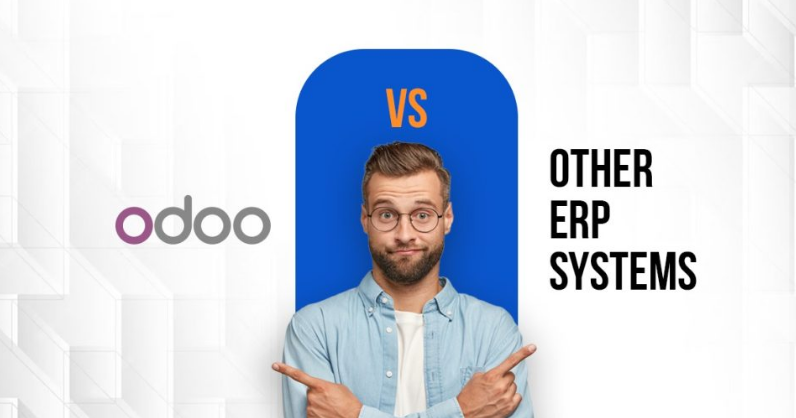
In today’s competitive business landscape, choosing the right enterprise resource planning (ERP) solution is crucial for efficiency, growth, and long-term success. UK businesses often find themselves evaluating numerous options — from well-established ERP giants like SAP and Oracle to more flexible, modular platforms like Odoo. The comparison of Odoo vs Other ERP Systems has become a pivotal decision point for many organisations aiming to optimise operations while maintaining cost-effectiveness.
In this article, we explore how Odoo stands against traditional ERP systems, why it’s gaining traction among UK businesses, and what factors to consider before making a choice.
Understanding ERP Systems
An ERP system integrates core business processes into a unified platform — covering finance, sales, inventory, HR, manufacturing, and more. It replaces disparate systems with a single solution, offering real-time visibility and streamlined workflows. However, not all ERPs are created equal.
When comparing Odoo vs Other ERP Systems, businesses must weigh flexibility, cost, features, and ease of implementation.
Odoo: A Modern, Modular ERP
Odoo is an open-source ERP with a modular structure that allows businesses to pick and choose the applications they need. It offers more than 30 core modules and over 16,000 community-developed extensions — making it highly adaptable.
Key Benefits of Odoo:
- Flexible Modular Design: Only pay for what you use.
- User-Friendly Interface: Easy to navigate for non-technical teams.
- Open Source: Customisable without exorbitant licensing fees.
- All-In-One Solution: CRM, accounting, eCommerce, inventory, HR, and more in one platform.
Because of its scalability and relatively low total cost of ownership, Odoo is increasingly popular among SMEs and mid-market businesses in the UK. It offers a modern alternative to heavyweight ERPs that can be complex and costly.
Traditional ERP Systems: SAP, Oracle & Microsoft Dynamics
Traditional ERP platforms such as SAP, Oracle NetSuite, and Microsoft Dynamics 365 have long dominated the market. These systems are robust and powerful, commonly used by large enterprises for complex operations.
Why Big Corporates Choose Traditional ERPs:
- Deep Functional Capabilities: Particularly in manufacturing and supply chain.
- Strong Global Support & Documentation.
- Industry-Specific Solutions: Tailored for specialised workflows.
However, these systems often come with high licensing costs, extensive implementation timelines, and require specialised consultants — factors that can be barriers for UK businesses with limited budgets or resources.
Odoo vs Other ERP Systems: Cost Comparison
One of the biggest differentiators between Odoo and more traditional ERP solutions is cost.
FeatureOdooTraditional ERPsLicensing CostsLow to ModerateHighImplementation CostLowerHigherCustomisationOpen-Source FlexibilityOften ExpensiveOngoing MaintenanceCommunity + Partner SupportContractual Support Fees
For many UK SMEs, the affordability of Odoo means digital transformation is within reach. Rather than paying for unused modules, companies can invest in a tailored set of features that truly align with their operations.
Customisation & Scalability: Odoo vs Other ERP Systems
Customisation is key when selecting an ERP. Traditional systems offer custom features, but often at a higher cost and longer development time. Odoo’s open-source foundation empowers businesses to customise workflows, interfaces, and reporting — with or without deep technical expertise.
In terms of scalability, Odoo supports growth at any stage. UK businesses can start with essential modules and scale as their operations expand — whether that’s integrating eCommerce, managing multiple warehouses, or automating advanced manufacturing processes.
Implementation & User Adoption
Complexity can be a roadblock to successful ERP adoption. Traditional ERP implementations may take months or even years, involving heavy data migration and process re-engineering.
Odoo implementations are typically faster and less resource-intensive. Its intuitive UI and modular approach make it easier for teams to adopt the system without extensive training.
Conclusion: Which ERP is Best for UK Businesses?
When comparing Odoo vs Other ERP Systems, there’s no one-size-fits-all answer. For large enterprises with intricate, industry-specific requirements and deep budgets, traditional ERP systems like SAP or Oracle may still hold appeal.
However, for UK SMEs and mid-sized businesses seeking flexibility, affordability, and modern functionality, Odoo emerges as a compelling choice. Its modular design, open-source nature, and user-friendly ecosystem make it ideal for organisations looking to digitalise quickly and cost-effectively.
Ultimately, the best ERP solution aligns with your business goals, operational complexity, and budget. By carefully evaluating your needs and comparing systems like Odoo against traditional options, you can choose an ERP that truly drives business growth.