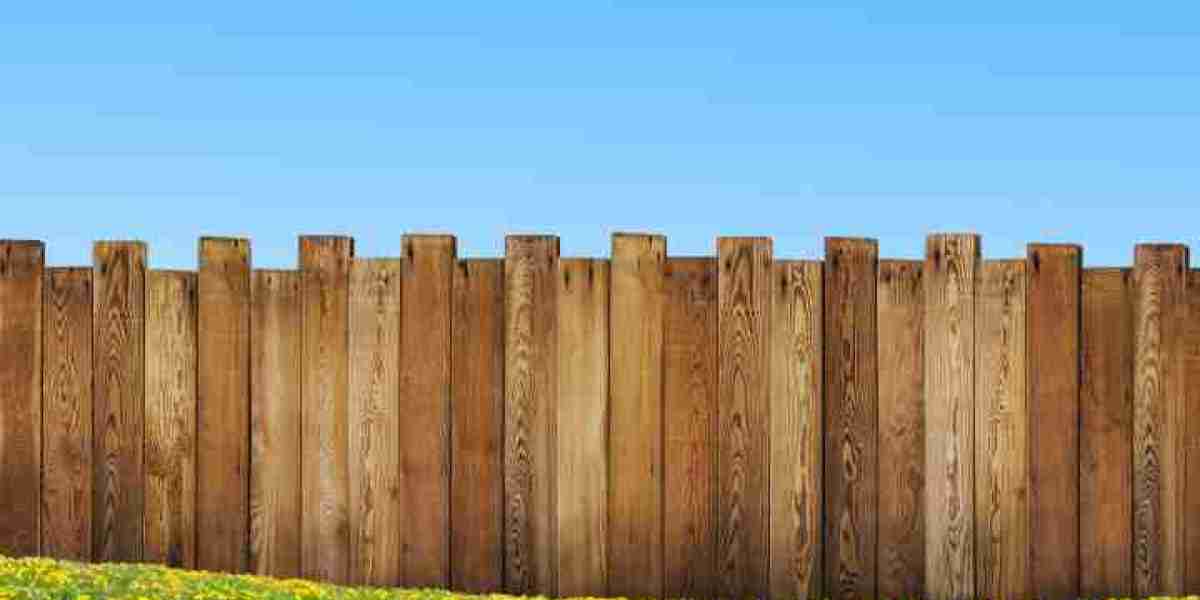

Protecting Your Investment from Day One
Keeping your fence in top condition starts with proactive care. Timber fencing is a durable and visually appealing option, but like any natural material, it requires ongoing maintenance to preserve its strength and appearance. Regular upkeep not only prevents costly repairs but also ensures your fence continues to enhance your property.
Timely attention to small issues can make a significant difference in longevity. When you maintain your timber fencing properly, you protect it from weather damage, pests, and natural wear over time.
Importance of Routine Inspections
Conducting routine inspections allows you to identify early signs of damage such as cracks, loose boards, or discolouration. Addressing these issues promptly helps prevent them from escalating into larger problems.
Cleaning to Prevent Build-Up and Decay
Dirt, mould, and mildew can accumulate on timber surfaces, especially in areas exposed to moisture. Regular cleaning is essential to keep your fence looking fresh and structurally sound.
Washing Away Dirt and Debris
Use a garden hose or a pressure washer on a low setting to remove dirt and grime. Avoid excessive pressure, as it can damage the wood fibres.
Removing Mould and Mildew
A mixture of mild detergent and water can effectively clean mouldy areas. For tougher stains, specialised timber cleaners can be used to restore the fence’s original look.
Sealing and Staining for Long-Term Protection
Applying a protective coating is one of the most effective ways to extend the life of your fence. Sealants and stains act as a barrier against moisture, UV rays, and temperature fluctuations.
Choosing the Right Finish
Select a high-quality sealant or stain that suits your climate conditions. Transparent finishes highlight the natural grain, while coloured stains can enhance the overall aesthetic.
Reapplication Schedule
Reapply sealant or stain every two to three years, or sooner if the surface shows signs of fading or wear. Regular treatment keeps the timber resilient and visually appealing.
Preventing Moisture Damage
Moisture is one of the biggest threats to timber fencing. Prolonged exposure can lead to rot, swelling, and structural weakening.
Ensuring Proper Drainage
Make sure water does not pool around the base of the fence. Good drainage helps prevent the timber from absorbing excess moisture.
Keeping the Base Dry
Trim grass and vegetation around the fence line to allow airflow and reduce dampness. This simple step can significantly minimise the risk of decay.
Protecting Against Pests and Termites
Timber can be vulnerable to pests such as termites and borers. Preventative measures are essential to safeguard your fence.
Using Treated Timber
Opt for pressure-treated timber that is designed to resist pests and decay. This provides an added layer of protection.
Applying Pest Treatments
Regularly apply termite-resistant treatments, especially in areas prone to infestations. Early prevention is far more effective than dealing with an active problem.
Repairing Damage Before It Spreads
Minor damage can quickly escalate if left unattended. Prompt repairs help maintain both the appearance and structural integrity of your fence.
Fixing Loose or Broken Panels
Secure any loose boards and replace damaged sections as soon as possible. This prevents further weakening of the fence.
Addressing Cracks and Splits
Fill small cracks with wood filler and sand them smooth before resealing. This helps maintain a consistent finish and prevents water penetration.
Maintaining Structural Stability
A fence that is structurally sound will last significantly longer. Regular checks ensure all components remain secure and aligned.
Checking Posts and Supports
Fence posts are critical to stability. Inspect them for signs of movement or rot and reinforce or replace them if necessary.
Tightening Fasteners
Nails and screws can loosen over time due to weather changes. Tighten or replace them to keep the fence secure.
Protecting Against Sun and Weather Exposure
Australia’s harsh sun can cause timber to fade and dry out, while rain can lead to swelling and rot. Proper protection helps mitigate these effects.
Using UV-Resistant Coatings
UV-resistant stains or paints help prevent fading and maintain the timber’s natural colour.
Seasonal Maintenance Checks
Inspect your fence at the start of each season to ensure it is prepared for changing weather conditions.
Enhancing Longevity with Smart Landscaping
The way your landscape interacts with your fence can impact its durability. Thoughtful planning can help extend its lifespan.
Keeping Plants at a Distance
Avoid planting shrubs or vines too close to the fence, as they can trap moisture and cause damage.
Avoiding Soil Contact
Ensure that soil or mulch does not come into direct contact with the timber, as this can accelerate decay.
Maintaining Aesthetic Appeal Over Time
A well-maintained fence not only lasts longer but also continues to enhance your property’s appearance.
Refreshing the Finish
Over time, the colour of timber may fade. Re-staining or painting can restore its original look and keep it visually appealing.
Consistent Care Routine
Establishing a regular maintenance schedule ensures your fence remains in excellent condition year after year.
FAQs
How often should timber fencing be cleaned?
It is recommended to clean your fence at least once or twice a year to prevent dirt and mould build-up.
What is the best way to protect timber fencing from weather damage?
Applying a high-quality sealant or stain and reapplying it every few years is the most effective method.
Can I repair damaged timber fencing myself?
Minor repairs such as fixing loose boards or filling cracks can be done easily, but major structural issues may require professional help.
How long does timber fencing typically last?
With proper maintenance, timber fencing can last 15–20 years or even longer depending on environmental conditions and care.