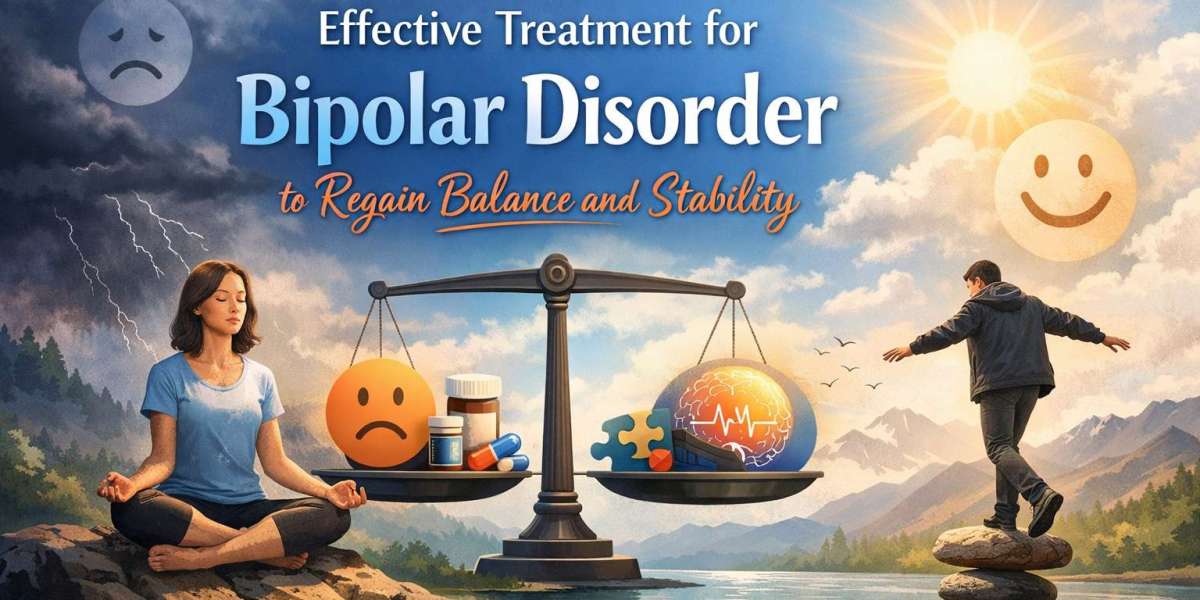

Living with bipolar disorder may feel like an emotional roller coaster, where you might be high on energy one moment and then feeling so low that it seems you are struggling to climb out of it the next.
The good news is that when you engage in the right bipolar disorder treatment, have a good support system, and make some lifestyle changes, you can find a way back to balance and long-term stability. Today, more and more people are finding forms of lasting relief with holistic care that includes medication, therapy, lifestyle modalities, and working with a bipolar specialist psychiatrist and doctor.
Below, we cover everything you need to know to ask for the right help and get your life back.
What Is Bipolar Disorder?
Bipolar disorder is a complex mental health issue that involves severe changes in mood, energy, and the ability to perform daily tasks. These mood changes include manic episodes or mild episodes of mania, feeling energized, overly confident, or impulsive, and depressive episodes that involve sadness, hopelessness, fatigue, and disinterest in typical activities.
Types of Bipolar Disorder
There are three main varieties of bipolar disorder, and understanding the distinctions is important for selecting an effective bipolar disorder treatment:
Bipolar I – Involves full mania (which sometimes requires hospitalization).
Bipolar II – Distinctly contains hypomania in conjunction with major depression.
Cyclothymic Disorder – A milder, yet more enduring form, where there are frequent mood changes.
Symptoms and Warning Signs
Common symptoms include:
Frequent mood-swings
Trouble sleeping or sleeping excessively
Aggressiveness
Excitement or extreme fatigue
Racing thoughts
Inattention
Noticing these signs early is the first step to getting help.
Medical Treatments for Bipolar Disorder
When treating bipolar disorder, mood stabilizers form the foundation. Common options include:
Lithium – very effective for longer-term stabilization
Valproate – can be effective in treating manic episodes
Carbamazepine – a suitable option in cases of failure of other agents
These medications help regulate mood state fluctuations and preclude significant episodes.
Antipsychotic Medications
During an acute manic or mixed episode, a doctor may choose to prescribe atypical antipsychotic medications such as, but not limited to, quetiapine or olanzapine. Atypical antipsychotics may help control agitation, racing thoughts, and overall impulsivity quickly and safely.
Antidepressants
Antidepressants may be prescribed; however, they should be approached with caution. It is common to prescribe an antidepressant in conjunction with a mood stabilizer to help prevent a manic episode from being triggered. When utilized with proper supervision, they can be effective treatment options for a severe depressive episode.
Psychotherapy Approaches
Through Cognitive Behaviour Therapy (CBT), a patient may become aware of negative thought patterns and triggers that may contribute to mood instability. The patient will also learn coping skills and how to reframe their thoughts to maintain control.
Routines count. IPSRT (Interpersonal and Social Rhythm Therapy) focuses on stabilizing sleep cycles, eating, and daily routines to lessen mood instability.
Family-Focused Therapy
Since bipolar disorder affects not just the individual but the entire family, this therapy:
Improves communication
Reduces conflict
Enhances long-term support systems
A strong family unit can significantly improve treatment outcomes.
Lifestyle and Self-Care Strategies
Having consistent sleep, regular mealtimes, and predictable daily behaviours all helps to regulate your body's internal clock, which can lead to fewer mood episodes over time.
Oftentimes, chronic stress will exacerbate bipolar symptoms. Helpful practices include:
Deep breathing
Guided meditation
Yoga
Mindfulness journaling
Eating a balanced diet and getting moderate daily exercise improve brain and mood health. Even moderate exercise, such as walking, cycling, and light strength training, can make a substantial difference.
Support Systems and Community Resources
Reaching other individuals with similar experiences may decrease the sense of loneliness and foster the development of coping skills. Support groups can provide encouragement, hope, and real-life suggestions.
When experiencing the most intense high or low mood, or any thoughts of suicide, immediate support is essential. Sometimes crisis hotlines can be accessed 24/7, and can help individuals not only make it through but also towards safety.
When family and friends have insight into bipolar disorder, they can better support recovery. By educating them on early warning signs, effective ways to communicate, and setting emotional boundaries, treatment can become more effective.
Long-Term Management and Relapse Prevention
Maintaining a journal or using mood-tracking apps helps you identify early symptoms of an episode. Early intervention can provide for less severe manic or depressive episodes or prevent full-blown episodes altogether.
A relapse prevention plan includes things like medication adherence, therapy schedules, lifestyle habits, and crisis steps. Regions routinely recommend this as one of the most effective relapse prevention tools.
Regular check-ins with your mental health team support that your brain health should stay effective as your life events change. There are many clinics, especially San Antonio mental health services, that will provide extended care as life events, stress, and goals shift.
Conclusion
Bipolar disorder is difficult, but with appropriate medication, psychotherapy, habits, and professional support, it is completely possible to live a stable and fulfilling life. Taking medication, participating in psychotherapy, developing coping habits, and working with professionals creates the best chance for fostering a stable and fulfilling lifestyle.
If you are feeling like you cannot find the proper way to get stable and get your quality of life back, you will find that things can change and turn around for the better by finding the right bipolar disorder medication treatment and working with a qualified bipolar specialist psychiatrist. Whether your search begins by looking online for a mental health clinic near me or searching for mental health services in San Antonio, if your search for the right services is successful and you do take the first step toward a potential long-term life of stability, resilience, and hope awaits.