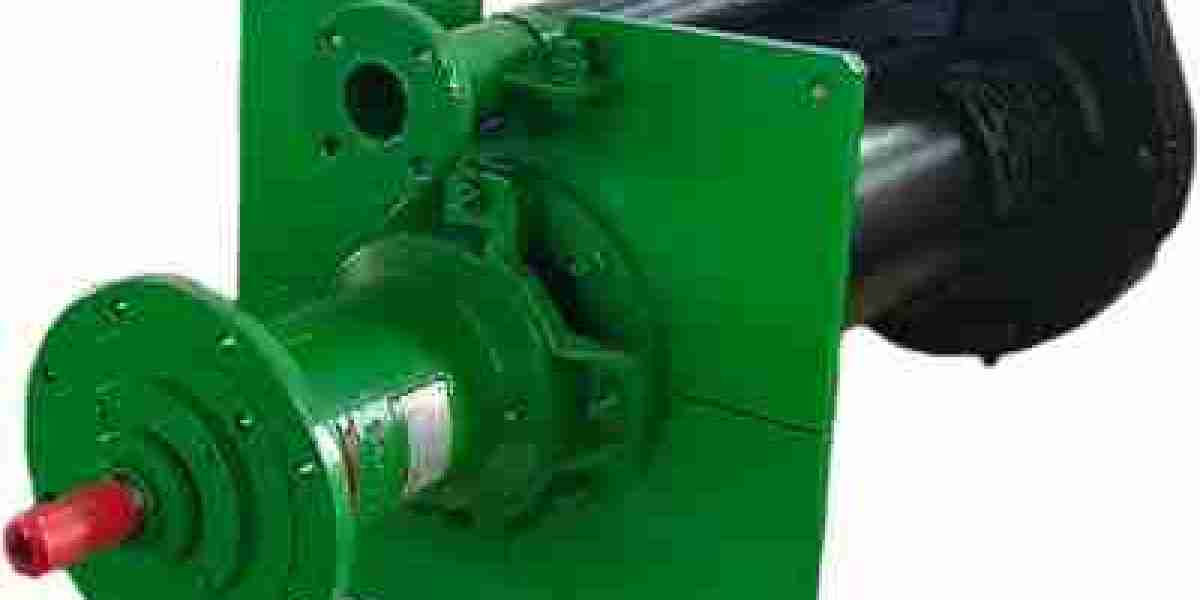

Walk into almost any slurry handling plant, and you’ll see both vertical and horizontal pumps working side by side. But just because both move abrasive liquids doesn’t mean you can swap one for the other without consequences. The choice between a CNSME PUMP vertical slurry pump and a traditional horizontal model affects everything from your floor space to your maintenance schedule to your energy bills. Each design has its strengths, but in specific applications—especially those involving sumps, pits, or space-limited areas—vertical pumps pull ahead in ways that aren’t always obvious at first glance. Let’s break down the real-world differences so you can make an informed decision for your next installation or replacement.
Installation Footprint and Foundation Requirements
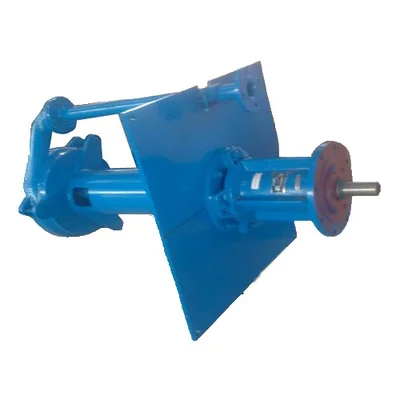
The most visible difference between vertical and horizontal pumps is the space they occupy. A horizontal slurry pump sprawls across a concrete foundation, sometimes requiring a baseplate as large as a small car. The motor sits to one side, the pump casing in the middle, and the suction pipe drops down into whatever tank or sump you’re pumping from. That suction pipe alone can add several feet of horizontal run. In contrast, a CNSME vertical pump mounts on a steel plate directly over the pit. The entire assembly—motor, shaft, and wet end—stacks vertically. The footprint is barely larger than the pit opening itself. For plants where every square foot of floor space already holds pipes, tanks, or walkways, that compact footprint isn’t just convenient; it’s often the difference between fitting a pump in or embarking on an expensive building expansion.
Priming Behavior and Suction Lift Capability
Here’s where many operators learn a hard lesson. Horizontal pumps are not self-priming in their standard configuration. They need the pump casing and suction line completely filled with liquid before startup. If air enters the suction line, the pump loses prime and simply spins without moving fluid. This forces you to install foot valves, priming chambers, or vacuum pumps. Vertical pumps from CNSME eliminate this headache entirely. Because the impeller sits submerged in the slurry, the pump is always primed the instant the motor turns. No foot valves to leak. No priming cycles to wait through. For applications where the pump starts and stops frequently—like dewatering a collection pit that fills intermittently—vertical pumps save hours of operator attention each week. Horizontal pumps can be modified with self-priming features, but those add complexity and cost. The vertical design gives you priming for free.
Seal Longevity and Leak Prevention
Ask any maintenance mechanic what fails first on a slurry pump, and they’ll almost always say the seal. Horizontal pumps typically use a mechanical seal or gland packing located right where the shaft enters the pump casing—directly in the abrasive slurry path. That seal takes a beating. Even with flush water, it wears and eventually leaks. A leaking horizontal pump costs you in product loss, housekeeping, and environmental fines. CNSME vertical pumps turn this problem on its head. The seal (or simply a shaft sleeve) sits above the mounting plate, well away from the slurry. The liquid never reaches that elevation because the impeller’s hydraulic forces push downward. For cantilever models, there’s no submerged seal at all. This means vertical pumps run dry on top. No drips. No puddles. No weekly gland adjustments. In industries like chemical processing or food production where leaks are simply unacceptable, that seal advantage alone justifies choosing vertical over horizontal.
Maintenance Access and Component Replacement
When a horizontal pump needs service, you’re in for a workout. You typically disconnect the suction and discharge piping, unbolt the casing, and slide the rotating assembly out horizontally. This requires clear space on at least one side of the pump—often two or three feet of clearance. In a crowded pump room, that space may not exist. A CNSME vertical pump offers a different maintenance dance. You unbolt the mounting plate, lift the entire pump vertically with an overhead crane or hoist, and set it on a workbench. The casing splits vertically or horizontally depending on the model. You can replace the impeller, shaft, or liner without disturbing the pit piping. This vertical lift-out design is a lifesaver in tight installations where you can’t roll a pump sideways. It also means you don’t need to drain long suction lines before starting work. For plants with limited floor space but adequate overhead clearance, vertical maintenance wins every time.
Handling of Variable Suction Conditions
Horizontal pumps are picky about their suction conditions. They want a steady, uninterrupted flow of liquid entering the impeller eye. If the sump level drops too low and creates a vortex, air gets sucked in and the pump loses performance. If the suction pipe is too long or has too many elbows, cavitation damages the impeller. Vertical pumps from CNSME are far more forgiving. The impeller sits directly in the sump, often just above the floor. The suction path is straight and measured in inches, not feet. Even when the sump level drops to a few inches, the pump continues to perform without vortexing or air ingestion. For applications where pit levels vary wildly—like stormwater collection or process drain sumps—vertical pumps handle the chaos without complaint. Horizontal pumps would require complex level controls and possibly a variable frequency drive to achieve the same reliability.
Solids Handling and Clog Resistance
Both vertical and horizontal CNSME vertical slurry pump handle solids, but they do so differently. A horizontal pump relies on the shape of its volute and impeller vanes to pass particles. Because the suction pipe leads into the pump, stringy materials like rags or plastic can hang up on the pipe inlet or the impeller leading edges. Vertical pumps have no suction pipe—just a straight intake bell or screen. Solids drop directly into the impeller. This open suction path means larger and more irregular particles can pass without clogging. In wastewater or mining applications where debris is inevitable, vertical pumps clog less often. That said, horizontal pumps have an advantage in very high-head applications where you need to push slurry uphill over long distances. Each design has its sweet spot. The key is matching the pump to your specific solids characteristics and discharge requirements.
Initial Cost and Total Ownership Expense
Let’s talk money, because that’s where decisions actually get made. A horizontal slurry pump often has a lower purchase price than a comparably sized vertical pump. The casing is simpler, the bearing housing is standard, and there’s a huge aftermarket for parts. However, the total cost of ownership tells a different story. Horizontal pumps require a concrete foundation, suction piping, foot valves, and often a separate priming system. Those installation costs add up. They also demand more frequent seal replacements and bearing changes. CNSME vertical pumps cost more upfront but typically have lower installation costs (no foundation, less piping) and longer intervals between seal or bearing failures. For a pump running 24/7 in a demanding application, the vertical pump often pays back its higher initial price within two years through reduced maintenance and downtime. The best financial choice depends on your specific duty cycle, but don’t just compare price tags—compare the full lifecycle.