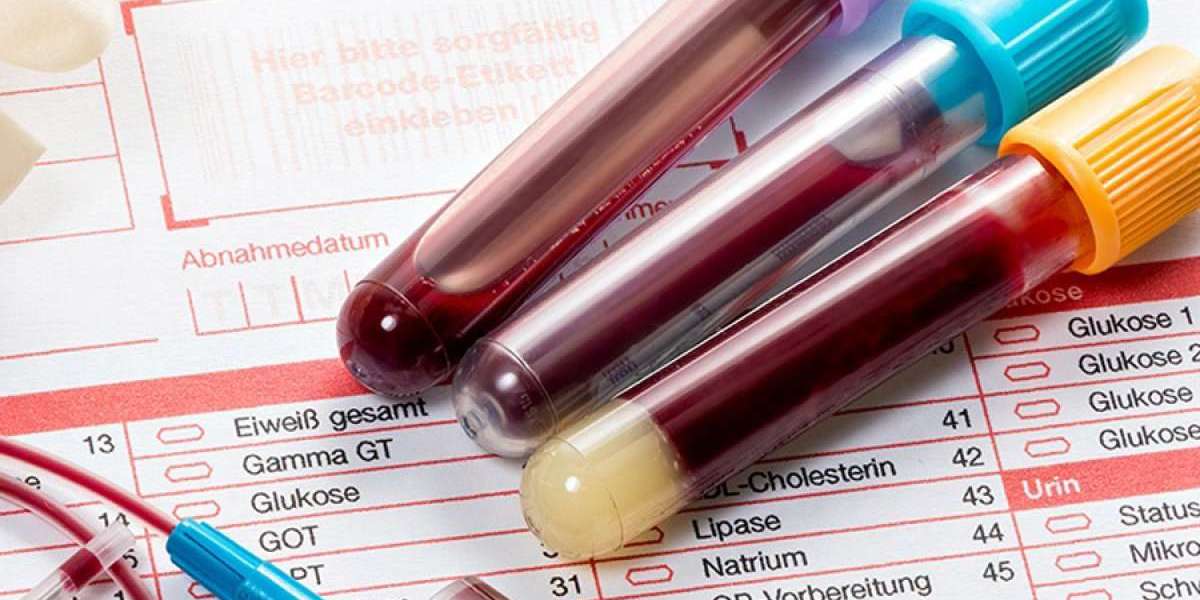

Hepatitis D is a viral infection that occurs exclusively in individuals already infected with Hepatitis B. The hepatitis D virus (HDV) accelerates liver inflammation, promotes fibrosis, and increases the risk of cirrhosis and hepatocellular carcinoma. Early detection is essential, and the Hepatitis D Test in Dubai provides critical insight into both exposure and active infection, helping guide liver health management and prevent long-term complications.
What Are Anti-HDV Antibodies?
Anti-HDV antibodies are proteins produced by the immune system in response to HDV exposure. The presence of these antibodies indicates that the body has encountered the virus, either in the past or currently. A positive antibody test does not always mean active infection but confirms exposure, which is particularly important for individuals with chronic Hepatitis B. Healthcare providers use this information to determine the need for further testing and ongoing monitoring.
Understanding HDV RNA Testing:
HDV RNA testing detects the genetic material of the virus in the bloodstream, confirming active viral replication. While antibody testing shows exposure, RNA testing provides definitive evidence of current infection. Detecting HDV RNA is crucial for assessing liver inflammation, monitoring disease progression, and deciding on timely interventions to prevent fibrosis and cirrhosis.
How Antibody and RNA Tests Work Together?
Combining anti-HDV antibody testing with HDV RNA analysis gives a complete picture of infection status. A positive antibody test with detectable RNA indicates ongoing infection requiring close monitoring. Positive antibodies with undetectable RNA suggest past exposure without active viral replication. Negative antibodies and RNA indicate no infection. This dual approach allows healthcare providers to differentiate between past and current infections and tailor monitoring strategies accordingly.
Interpreting Test Results:
Negative antibodies and RNA: No evidence of HDV infection.
Positive antibodies, negative RNA: Past exposure, no active infection.
Positive antibodies, positive RNA: Active HDV infection requiring follow-up.
Negative antibodies, positive RNA: Rare, may indicate early infection or immune suppression and warrants repeat testing.
Interpreting results alongside liver function tests such as ALT, AST, and bilirubin helps assess the degree of liver inflammation and determine the need for further intervention.
Who Should Get Antibody and RNA Testing?
Testing is recommended for individuals with chronic Hepatitis B, those with elevated liver enzymes, or people with known risk factors for blood-borne infections. Early detection allows healthcare providers to implement preventive measures, monitor liver health, and reduce the risk of complications such as fibrosis, cirrhosis, and liver cancer.
Monitoring and Follow-Up:
For patients with active infection, ongoing monitoring includes periodic HDV RNA testing, liver function assessment, and imaging studies to track fibrosis progression. Structured follow-up allows healthcare providers to detect early signs of liver damage, adjust treatment plans, and guide lifestyle modifications that support liver health.
Lifestyle Measures to Support Liver Health:
Alongside testing, patients should adopt liver-protective behaviors. Avoiding alcohol, maintaining a healthy weight, managing metabolic conditions, and reducing exposure to liver stressors are key strategies. Vaccination against Hepatitis B prevents HDV infection in uninfected individuals, complementing the role of testing in proactive liver care.
The Importance of Early Detection:
Understanding both antibody and RNA results enables early detection of HDV infection, allowing timely intervention and structured monitoring. Early detection helps prevent liver inflammation from progressing to fibrosis or cirrhosis, reduces the risk of liver failure, and supports long-term liver health.
Conclusion:
The Hepatitis D Test, through both anti-HDV antibody and HDV RNA testing, provides a comprehensive assessment of infection status. Antibody testing indicates past exposure, while RNA testing confirms active viral replication. Together, these tests guide monitoring, lifestyle adjustments, and treatment strategies to protect liver health and prevent long-term complications. Early and accurate testing empowers patients and healthcare providers to take proactive steps in managing liver disease and maintaining overall well-being.