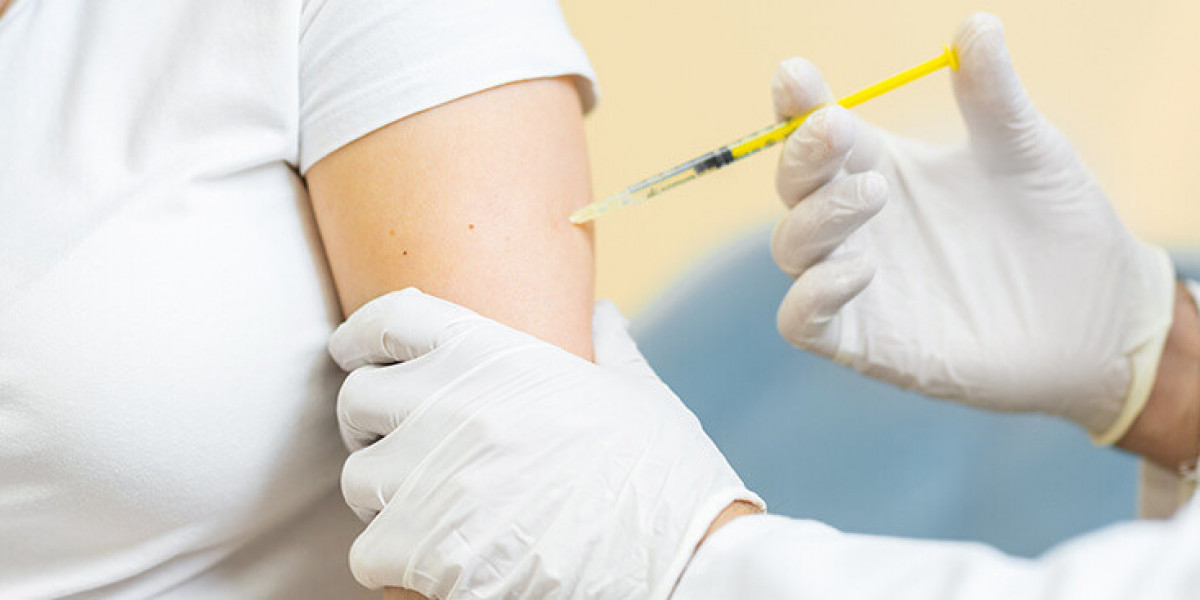

Administering medical injections outside a clinic is becoming increasingly common, especially for chronic conditions, post-surgical care, or fertility treatments. Injection at Home offers convenience and comfort, but it requires careful planning to ensure safety and effectiveness. Creating a designated injection space at home helps reduce risks of infection, errors, and contamination. With proper setup, patients and caregivers can perform injections confidently while maintaining hygiene and organization.
Choosing the Right Location:
Selecting an appropriate area in the home is the first step in creating a safe injection space. The space should be:
Well-lit to clearly see medication, syringes, and injection sites
Free from distractions, including pets, children, or loud noises
Easy to clean and maintain hygiene standards
Comfortable, with a chair or table for the patient and caregiver
Equipped with nearby access to necessary supplies and a waste container
A thoughtfully chosen location provides a controlled environment that supports safe injection practices.
Ensuring Cleanliness and Hygiene:
Maintaining a sterile environment is critical to prevent infections and complications. Key hygiene practices include:
Thorough hand washing before handling injections
Wearing disposable gloves when necessary
Disinfecting surfaces and the injection area with alcohol wipes
Cleaning the injection site with antiseptic swabs
Avoiding contact between needles and unsterile surfaces
Consistent hygiene reduces the risk of contamination and protects both the patient and caregiver.
Organizing Supplies Effectively:
Proper organization of injection supplies ensures efficiency and prevents errors. Essential steps include:
Keeping all medication, syringes, alcohol wipes, and sharps containers within reach
Arranging items in the order they will be used
Checking expiration dates and ensuring proper medication storage
Avoiding overcrowding to reduce the risk of knocking over items
Labeling medication and syringes clearly to avoid confusion
Well-organized supplies make injections faster, safer, and less stressful for both patient and caregiver.
Proper Storage of Medications:
Maintaining the potency and effectiveness of injectable medications requires correct storage. Best practices include:
Following manufacturer instructions for temperature and light exposure
Storing medications in a secure, childproof location
Keeping medications upright and avoiding shaking unless specified
Checking expiration dates before each use
Organizing doses for easy access and consistent administration
Proper storage ensures that medications remain effective and safe for each injection.
Preparing the Patient and Caregiver:
Before administering an injection, it is important to prepare both the patient and caregiver. Preparation steps include:
Explaining the injection process and what to expect
Ensuring the patient is seated comfortably and relaxed
Cleaning the injection site thoroughly
Reviewing the correct dosage and injection technique
Ensuring the sharps container is ready for safe disposal
Preparation reduces anxiety, improves technique, and promotes a smooth injection process.
Administering Injections Safely:
Correct technique is critical to ensure the medication is effective and the patient experiences minimal discomfort. Guidelines include:
Selecting the appropriate needle size and injection site based on the medication
Maintaining the correct angle for subcutaneous or intramuscular injections
Injecting slowly and steadily to reduce tissue damage
Applying gentle pressure or a clean cotton ball to the site after injection
Observing the patient for any immediate adverse reactions
Proper administration ensures both safety and comfort during home injections.
Managing Aftercare and Monitoring:
Aftercare is essential for preventing complications and ensuring proper recovery. Key practices include:
Monitoring the injection site for redness, swelling, or tenderness
Observing for systemic reactions such as dizziness, rash, or fever
Recording injection details, including time, medication, and site
Contacting a healthcare professional if unusual symptoms occur
Providing reassurance and support to the patient
Effective aftercare promotes healing, reduces anxiety, and allows timely intervention if needed.
Safe Disposal of Needles and Syringes:
Disposing of used needles properly is crucial to prevent injuries and contamination. Safe disposal practices include:
Using an approved sharps container for all used needles and syringes
Never recapping or reusing needles
Keeping sharps containers out of reach of children and pets
Following local regulations for the disposal of medical waste
Arranging for proper collection or drop-off when the container is full
Safe disposal protects the household and the wider community from harm.
Creating a Routine and Consistency:
A designated injection space works best when paired with a consistent routine. Tips for routine management include:
Administering injections at the same time of day to maintain medication schedules
Keeping the space clean and stocked before each injection
Reviewing procedures periodically to ensure adherence to safety standards
Updating logs or records for each injection
Consistency fosters patient confidence, reduces mistakes, and streamlines the injection process.
Educating Patients and Caregivers:
Proper knowledge ensures home injections remain safe and effective. Training should cover:
Correct injection techniques for different types of medication
Hygiene, storage, and disposal protocols
Monitoring for side effects and when to seek medical help
Organizing and maintaining supplies in the injection area
Keeping accurate records of injections for healthcare provider review
Education empowers patients and caregivers to take control of home healthcare safely.
Final Thoughts
Creating a safe Injection at Home space requires careful planning, hygiene, organization, and professional guidance. By selecting the right location, maintaining cleanliness, preparing supplies, and following proper administration and disposal techniques, patients and caregivers can perform injections safely and confidently. A dedicated, well-maintained space improves comfort, reduces risks, and ensures that home-based healthcare is both effective and stress-free.