
Property snagging is a vital process in the construction and real estate industry that focuses on identifying defects, incomplete work, and quality issues before a property is formally accepted. It is designed to protect buyers, homeowners, investors, and landlords by ensuring that a property meets expected standards of workmanship, safety, and functionality. In modern property markets, property snagging is no longer seen as optional but as a responsible step toward secure ownership.
The main purpose of property snagging is to provide clarity at a crucial stage of a property journey. Construction and renovation projects involve many materials, systems, and skilled professionals, which increases the possibility of small oversights. Property snagging ensures these issues are identified early and resolved before they develop into long term problems.
What Property Snagging Means
Property snagging refers to a detailed inspection carried out when construction or renovation work is nearing completion. The inspection highlights issues that require correction before the property is handed over. These issues may be cosmetic, functional, or related to overall workmanship.
Property snagging applies to residential homes, apartments, villas, commercial buildings, and refurbished properties. It is equally valuable for new developments and renovation projects. The goal is always the same, which is to confirm that the property is safe, complete, and ready for comfortable use.
Importance of Property Snagging
Property snagging plays a crucial role in protecting property buyers and owners. Even newly completed properties can contain defects that are not visible at first glance. Small issues, if ignored, can grow into serious concerns that affect comfort, safety, and value. Property snagging helps prevent this by ensuring that defects are identified and corrected early.
Another important benefit of property snagging is transparency. It creates a clear understanding of the property’s condition at the point of acceptance. This reduces the risk of disputes between buyers and developers and helps ensure that expectations are aligned. Property snagging also encourages higher construction standards by promoting accountability and attention to detail.
What Is Checked During Property Snagging
Property snagging covers both appearance and performance. Visual inspections focus on finishes such as paintwork, flooring, tiling, and joinery. These elements are checked for consistency, alignment, and quality. Even minor imperfections can affect the overall appearance and feel of a property.
Functional inspections assess how well the property works in everyday use. Doors and windows should operate smoothly, plumbing should function without leaks, and electrical fittings should be safe and reliable. Ventilation, fixtures, and fittings are also reviewed to ensure they perform as intended. This balanced approach ensures that the property is both attractive and practical.
Benefits of Property Snagging for Buyers
For buyers, property snagging provides reassurance during an important decision. Purchasing a property involves a significant financial and emotional commitment. Discovering defects after moving in can lead to frustration and unexpected expenses. Property snagging reduces this risk by identifying issues before final acceptance.
By addressing concerns early, buyers can move forward with confidence, knowing that the property has been inspected thoroughly. This process helps buyers feel secure in their investment and focus on enjoying their new home rather than dealing with avoidable problems.
Value of Property Snagging for Owners and Investors
Property owners and investors benefit greatly from property snagging. A well inspected property is less likely to experience early maintenance issues. This is especially important for rental properties, where defects can affect tenant satisfaction and lead to repeated repair requests.
Property snagging helps protect long term value by ensuring that quality concerns are resolved early. Properties that begin in good condition tend to remain attractive and functional for longer, making snagging a proactive and cost effective approach for owners and investors.
Property Snagging from a Developer Perspective
Developers and contractors also gain advantages from property snagging. Addressing defects before handover demonstrates professionalism and commitment to quality. This approach helps build trust with buyers and enhances reputation within the property market.
Property snagging also supports internal quality improvement. By identifying recurring issues, developers can refine construction processes and improve future projects. This leads to better outcomes for both businesses and clients.
Role of Documentation in Property Snagging
Documentation is a key part of effective property snagging. A clear and well structured snagging report records identified issues in a simple and understandable format. This report acts as a communication tool between all parties involved.
Good documentation ensures that corrective work is tracked and completed properly. It reduces misunderstandings, supports accountability, and helps ensure that agreed actions are followed through before final acceptance.
Professional Property Snagging Inspections
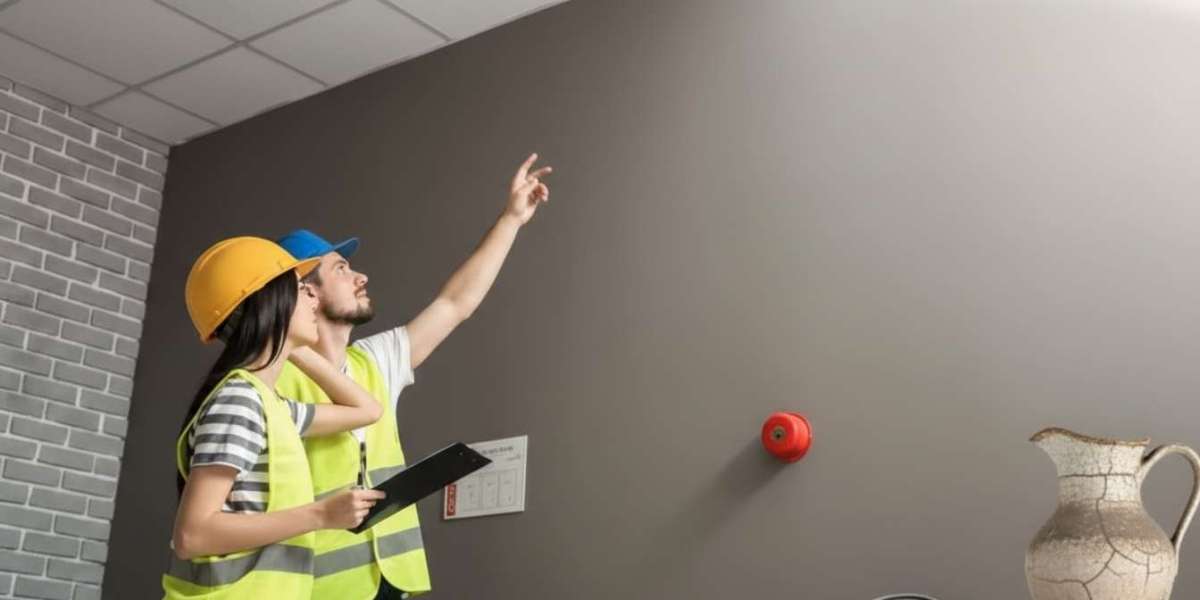
While buyers and owners can carry out basic checks themselves, professional property snagging inspections provide added confidence. Experienced inspectors understand common construction issues and know where defects are most likely to appear. Their objective approach allows them to focus entirely on quality and compliance.
Professional inspections often result in a more thorough assessment, reducing the risk of hidden issues being overlooked. This is particularly valuable for buyers who may not be familiar with construction standards or technical details.
Property Snagging in Renovation Projects
Property snagging is just as important in renovation and refurbishment projects. When changes are made to an existing building, snagging ensures that new work integrates properly with existing structures. It confirms that improvements meet expectations and that no new defects have been introduced.
This process helps owners feel confident that renovation goals have been achieved and that the property is ready for continued use without hidden concerns.
Frequently Asked Questions
What is property snagging
Property snagging is the inspection process used to identify defects, unfinished work, or quality concerns before a property is formally accepted.
Is property snagging necessary for new builds
Yes, property snagging is important for new builds because defects can still occur despite the property being newly constructed.
Who should arrange property snagging
Property snagging can be arranged by buyers, homeowners, investors, or landlords who want to ensure quality before acceptance.
Can property snagging be done after moving in
Property snagging is most effective before handover, but it can still highlight issues after occupation, although responsibility may be harder to establish.
Does property snagging help save money
By identifying problems early, property snagging helps avoid costly repairs and reduces the risk of future maintenance issues.
Conclusion
Property snagging is an essential step in ensuring quality, safety, and satisfaction in property ownership. By identifying defects and incomplete work before handover, it protects buyers and owners from future inconvenience and unnecessary expense. Property snagging promotes accountability, supports higher construction standards, and creates a smoother acceptance process. Whether for new developments, renovations, or investment properties, property snagging is a practical and responsible approach that delivers confidence and long term peace of mind.