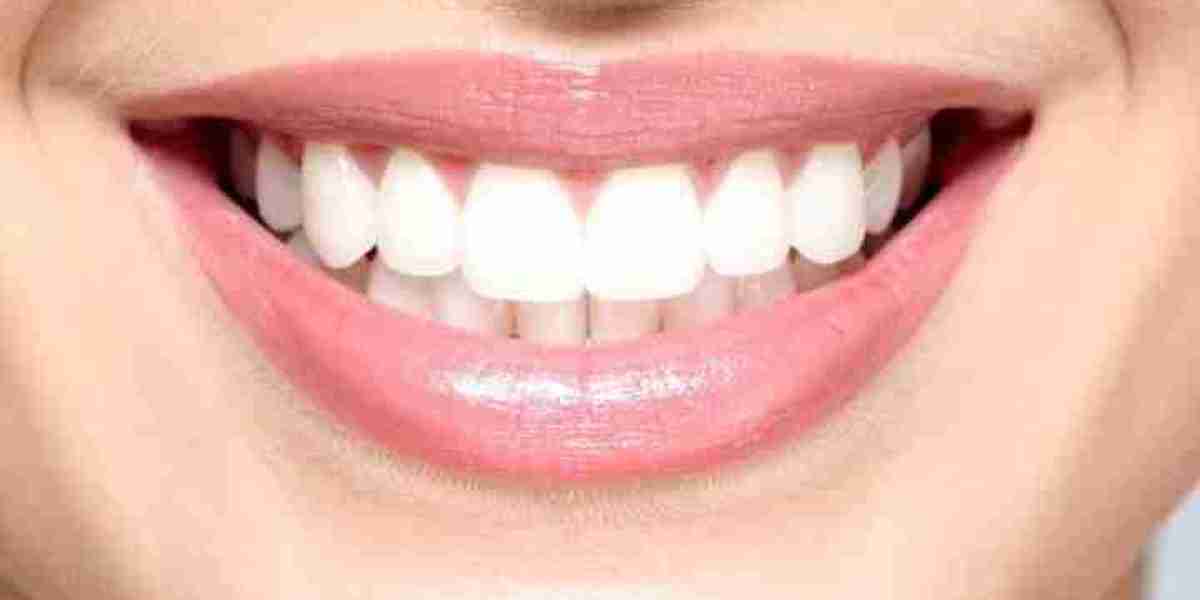

Charcoal teeth whitening has become a popular trend on social media, often marketed as a natural and affordable way to achieve a brighter smile. But does it actually deliver results, and how does it compare when considering teeth whitening cost options available in dental clinics and at-home treatments?
What Is Charcoal Teeth Whitening?
How activated charcoal is used
Charcoal teeth whitening products typically contain activated charcoal, a fine black powder believed to absorb toxins and stains from the teeth surface. It is found in powders, toothpaste, strips, and even toothbrush kits.
The promise behind the trend
The main claim is that charcoal binds to stains caused by coffee, tea, wine, and smoking, helping remove discolouration and leaving teeth visibly whiter after repeated use.
Does Charcoal Teeth Whitening Actually Work?
Surface stain removal vs real whitening
Charcoal may help remove surface stains, giving the appearance of slightly cleaner teeth. However, it does not change the natural colour of teeth or remove deep intrinsic stains within the enamel or dentin.
Lack of scientific backing
Most dental professionals agree that there is limited clinical evidence supporting long-term whitening benefits. In fact, frequent use may be abrasive and potentially damage enamel over time.
Temporary results only
Any whitening effect is usually short-lived and cosmetic rather than structural. This means results can fade quickly if stain-causing foods or drinks are regularly consumed.
Charcoal vs Professional Whitening: Cost and Effectiveness
Understanding teeth whitening cost in Australia
When comparing charcoal products with professional treatments, teeth whitening cost becomes an important factor. In Australia, professional in-chair whitening typically ranges from AUD $300 to $1,000 depending on the clinic and method used.
At-home kits vs charcoal products
Dentist-approved at-home whitening kits usually cost between AUD $150 and $400 and provide more consistent and safer results compared to charcoal-based products, which are often cheaper but less effective.
Value for money
While charcoal products may seem budget-friendly, their limited effectiveness means repeated purchases may be needed, potentially reducing their overall value compared to professional options.
Are There Any Risks?
Enamel wear and sensitivity
Charcoal is mildly abrasive, which may gradually wear down tooth enamel if used excessively. This can lead to increased sensitivity and long-term dental issues.
Gum irritation
Some users report gum irritation due to the coarse texture of charcoal powders.
Staining concerns
Ironically, if not rinsed properly, charcoal particles can sometimes get trapped in grooves, leading to uneven staining.
Better Alternatives for Whitening Teeth
Dentist-approved whitening treatments
Professional whitening remains the safest and most effective option, offering noticeable results in a short time under controlled conditions.
Whitening toothpaste and strips
Over-the-counter whitening toothpaste and strips approved by dental associations can help maintain brightness safely.
Lifestyle changes
Reducing coffee, tea, red wine, and quitting smoking can significantly improve long-term tooth colour.