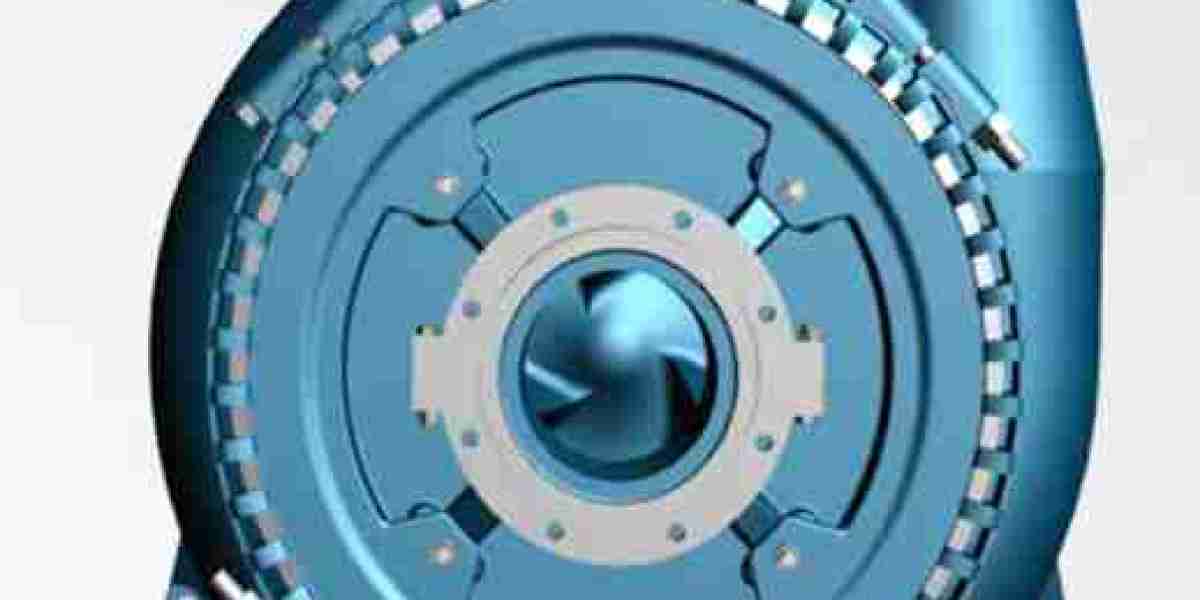

If you have ever tried to pump sandy water or thick sludge with a standard centrifugal pump, you already know the frustration. The seals leak, the impeller wears down to nothing in weeks, and you spend more time unclogging than actually pumping. Traditional pumps were simply never designed for the punishment that slurries deliver. CNSME PUMP entered this space with a clear mission: build something that actually works where ordinary pumps fail. The differences go far beyond marketing claims. From the materials used to the way the pump handles solids, every aspect of a CNSME slurry pump has been rethought for abrasive, high-density applications. Let me walk you through the key advantages that set them apart.
Heavy Duty Construction Versus Light Duty Casings
The first thing you notice when you pick up a CNSME pump is the weight. Traditional pumps use thin cast iron casings that save money on material but crack or wear through quickly when handling slurries. CNSME builds their casings from thick ductile iron or cast steel, often with double the wall thickness of a standard pump. This extra metal is not just for show; it provides the structural rigidity needed to handle high pressures and the impact from large solids slamming against the walls. Additionally, the heavy casing dampens vibration better, which protects bearings and seals. When a traditional centrifugal slurry pump casing erodes to paper thickness in six months, the CNSME casing still has decades of life left because the replaceable liner takes the abuse while the outer shell stays pristine.
Replaceable Wear Liners Versus Integral Cast Components
This single design difference is perhaps the most important. Traditional pumps typically cast the casing and the wear surface as a single piece of metal. When that surface wears down, the entire casing is scrap metal. CNSME uses a two-part system: a durable outer casing and a replaceable inner liner made from ultra-hard high-chrome iron or rubber. When the liner wears out after thousands of hours of service, you simply unbolt the old one and install a new liner for a fraction of the cost of a whole pump. Over a decade of operation, this difference saves enormous sums of money. I have seen plants throw away three traditional pumps in the time one CNSME pump with three liner changes kept running. The environmental savings in scrap metal alone are worth considering.
Open Impellers Versus Enclosed Impellers for Solids Passage
Traditional pumps almost always use enclosed impellers with tight clearances between the vanes and the front shroud. This design is efficient for clean water, but it is a disaster for slurries. Solids get trapped in those tight spaces, causing jams and accelerating wear. CNSME favors open or semi-open impellers that have no front shroud. The vanes are exposed and widely spaced, allowing large solids and stringy materials to pass right through without getting stuck. The trade-off is a slight reduction in peak efficiency, but in real-world slurry service, an open impeller that keeps running is infinitely more efficient than an enclosed one that is constantly clogged and shut down. For applications with rag content, wood chips, or fibrous materials, the CNSME design is the only sensible choice.
Expeller Seals Versus Conventional Packing or Simple Mechanical Seals
Leakage is a constant battle with traditional pumps handling abrasive slurries. Conventional packing requires constant adjustment and still leaks a bit by design. Simple mechanical seals fail quickly when abrasive particles get between the seal faces. CNSME offers an ingenious alternative: the expeller seal. This uses a set of reverse vanes on the back of the impeller that spin and create a centrifugal force pushing solids and liquid away from the shaft. When the pump is running, the expeller creates a vacuum that actually draws air or clean liquid into the seal area, keeping slurry away from the shaft sleeve entirely. The result is near-zero leakage without the complexity and cost of expensive seal support systems. Traditional pumps cannot match this reliability in gritty services.
Bearing Assembly Rigidity Versus Standard Duty Bearings
Traditional pumps use bearings sized for the hydraulic loads of clean water. Slurries are denser and create higher radial and axial loads, causing standard bearings to fail prematurely. CNSME installs oversized, heavy-duty bearings specifically chosen for the punishing loads of slurry pumping. The shaft is thicker and made from higher-grade alloy steel. The bearing housing is a massive cast iron unit with labyrinth seals that keep out dirty water and grit. This assembly resists deflection under load, keeping the impeller centered in the casing even during high-pressure operation. Less deflection means less wear on the internal components and longer seal life. For a plant running continuous operations, this bearing reliability eliminates those middle-of-the-night failures that traditional pumps are infamous for.
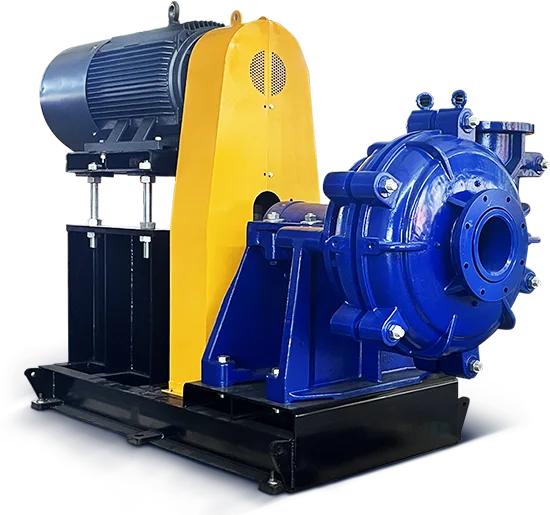
Slower Operating Speeds for Longer Life
Traditional pumps are designed to run at high speeds, typically 1750 or 3500 RPM, because that is where clean water efficiency peaks. But speed is the enemy of wear. Abrasion rates increase roughly with the cube of velocity. CNSME engineers design their pumps to operate effectively at lower speeds, often 800 to 1200 RPM. The larger impeller diameters and wider flow passages maintain good hydraulic performance at these reduced speeds. The payoff is dramatic: a CNSME pump running at half the speed of a traditional pump will see wear rates reduced by a factor of eight. Yes, the pump is bigger and heavier for the same flow rate, but the service life extension is so substantial that most plant managers happily accept the larger footprint. Lower speed also means lower noise, less vibration, and reduced power consumption.
True Repairability Versus Disposable Pump Culture
Perhaps the most frustrating aspect of traditional pumps is that they are largely disposable. When the casing wears through or the shaft gets scored, the repair cost often exceeds the replacement cost. CNSME takes the opposite approach. Every component in their pumps is designed to be replaced individually: the shaft sleeve, the liners, the impeller, the bearing cartridge, even the volute inserts. A CNSME pump can be rebuilt to like-new condition again and again over a twenty-year lifespan. The initial purchase price might be higher than a throwaway pump, but the cost per ton of material pumped is dramatically lower. For businesses that track total cost of ownership rather than just the upfront price tag, this repairability is the deciding factor. It is simply a more sustainable, economical, and intelligent way to build industrial equipment.