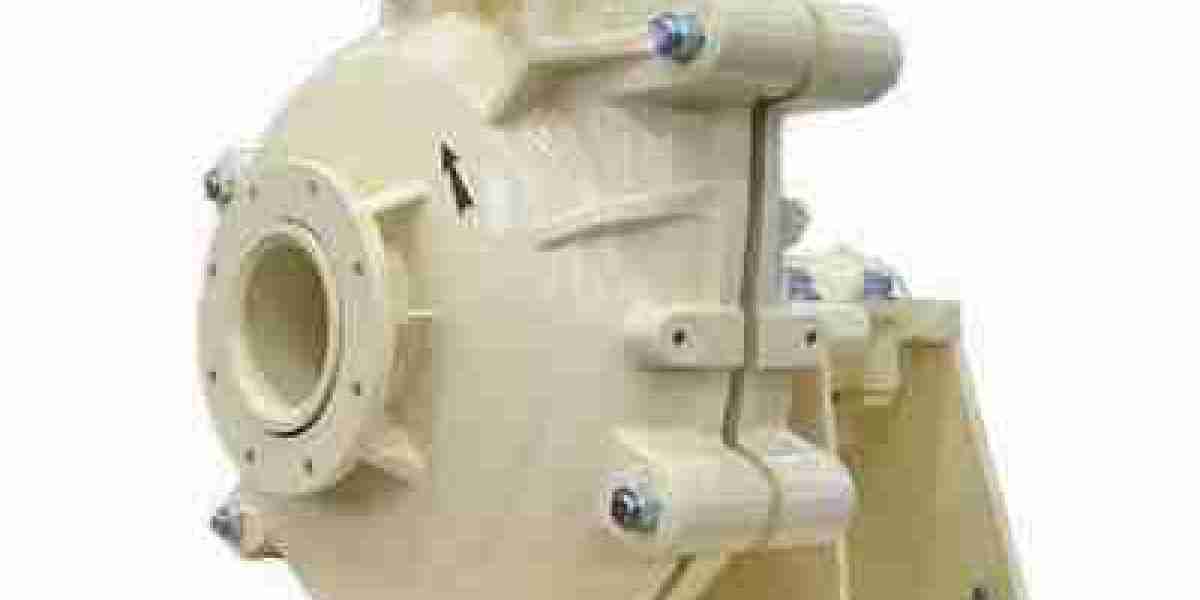

Let me start with a question that haunts every plant manager when it is time to buy new pumping equipment. Do you really need to spend the extra money on a heavy duty slurry pump, or will a standard industrial model get the job done? It is a fair question, especially when budgets are tight and the standard pump looks appealing on the initial quote. But here is what those tidy price tags do not show you. The hidden costs of downtime, the midnight emergency calls, the spare parts that pile up faster than production targets. After watching hundreds of mines and power plants make this decision, I can tell you that the gap between CNSME heavy duty slurry pumps and standard models is not small. It is a canyon, and crossing it requires understanding where standard designs quietly fail and why heavy duty engineering pays for itself many times over.
Material Grade Differences You Can See and Feel
The most obvious difference between a CNSME heavy duty slurry pump and a standard model shows up the moment you look at the wet end components. Standard pumps typically use cast iron or mild steel with a thin rubber lining or a basic abrasion resistant coating. These materials feel rough to the touch and often show visible porosity from cheap casting processes. CNSME pumps use high chromium white iron that has been heat treated specifically for slurry service. Pick up an impeller from each and you will feel the weight difference immediately. CNSME components are denser, smoother finished, and ring with a metallic chime when tapped rather than a dull thud. That density translates directly into wear resistance. In side by side tests moving the same coal ash slurry, a standard cast iron impeller lost measurable thickness within weeks while the CNSME impeller looked nearly new after months. The material is not just different. It is in a completely different league.
Bearing Life Under Continuous Load
Standard pumps cut costs by using off the shelf bearing frames designed for clean water service. These bearings might be rated for thousands of hours, but that rating assumes balanced loads and clean lubrication. Throw in the vibration and thrust loads of heavy slurry, and those bearings fail far earlier than advertised. CNSME takes a different approach. Their heavy duty slurry pumps use oversized spherical roller bearings mounted in a rigid cast iron housing that is machined to tighter tolerances than the pump casing itself. The bearings are selected not for minimum cost but for dynamic load capacity, meaning they handle the side loads and axial thrust that standard bearings simply shrug at. Power plants that switched from standard pumps to CNSME have documented bearing life increasing from eighteen months to over six years under identical operating conditions. That is not an incremental improvement. That is a transformation in reliability.
Seal Reliability When It Matters Most
Let me tell you about the moment that convinces most operators to never buy a standard pump again. The seal fails at two in the morning. Slurry sprays across the pump house floor. The operator tries to tighten the gland packing, but the damage is already done. The bearing housing is contaminated, the shaft is scored, and now a simple seal replacement turns into a full pump rebuild. Standard pumps almost always use cheap gland packing or basic mechanical seals that were never intended for abrasive service. CNSME equips their pumps with expeller style dynamic seals that use centrifugal force to keep solids away from the seal faces. In many applications, the pump runs for years without a single drop of leakage. For the toughest services, they offer heavy duty cartridge mechanical seals with independent flush plans that isolate the seal faces from the slurry entirely. That two in the morning phone call simply stops happening after you install CNSME pumps.
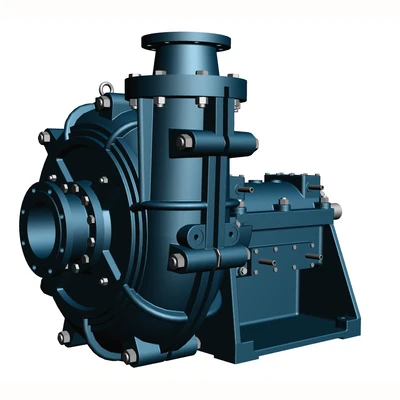
Hydraulic Efficiency Under Real Conditions
Standard pumps look good on paper. Their performance curves show smooth efficiency at the design point, and the manufacturer will happily send you glossy charts proving how efficient their pump is. But those curves were generated using clean water in a laboratory, not thick slurry in a real plant. Under actual operating conditions with abrasive solids in the flow, standard pumps lose efficiency quickly as internal clearances open up due to wear. A pump that started at seventy percent efficiency might drop to fifty percent within months, wasting enormous amounts of electricity. CNSME designs their heavy duty slurry pumps to maintain tight internal clearances even as components wear. The volute geometry and impeller vane profiles are optimized specifically for two phase flow rather than clean water. The result is that a CNSME pump operating on real slurry often outperforms standard pumps from day one and continues delivering strong efficiency long after the standard pump has become an energy wasting liability.
Maintenance Intervals and Labor Costs
Ask any maintenance supervisor what they really want from a pump, and they will not talk about efficiency curves or material hardness. They will talk about leaving it alone. Standard pumps demand constant attention. Packing needs adjustment. Bearings need greasing every week. Wear components wear out unpredictably, forcing emergency changeouts at the worst possible moments. CNSME pumps are designed for extended maintenance intervals. The bearing housing holds enough grease for months of continuous operation. The expeller seal requires no daily adjustment. The wear components wear so slowly and predictably that you can schedule rebuilds during planned outages rather than reacting to unexpected failures. Mines that have tracked maintenance labor hours before and after switching to CNSME report reductions of sixty to seventy percent. Those labor hours translate directly into dollars saved and mechanics freed up to work on other equipment that actually needs their attention.
Total Cost of Ownership Over Five Years
Here is where the performance edge becomes impossible to ignore. Add up every cost over five years of operation. The initial purchase price. The spare parts consumed. The maintenance labor. The downtime costs. The electricity consumed. Standard models almost always win on initial purchase price, sometimes by a significant margin. But that advantage disappears within the first year as replacement parts and labor bills accumulate. By year two, the standard pump has usually cost more overall. By year five, the CNSME pump has saved the operation tens of thousands of dollars compared to repeatedly rebuilding and repairing the standard model. I have seen this math played out in coal prep plants, hard rock mines, and power stations around the world. The performance edge of CNSME heavy duty slurry pumps is not theoretical. It shows up directly on the bottom line, year after year, in real operating budgets.
Application Flexibility That Standard Models Lack
Standard slurry pumps are built for one thing only. Moving relatively easy slurries under ideal conditions. Push them outside that narrow window with higher density, larger particles, or more aggressive chemistry, and they fail quickly. CNSME builds their heavy duty pumps with enough margin to handle the unexpected. The thicker casings can tolerate more erosion before needing replacement. The wider passages pass larger tramp particles without jamming. The material options range from high chrome iron to rubber lining to duplex stainless steel. When your application changes, and it always does, a CNSME pump adapts. That flexibility is a performance edge that no spec sheet can capture, but every plant manager recognizes immediately. You are not just buying a pump. You are buying peace of mind that the equipment will handle whatever your process throws at it, today and years from now.