
Unveiling the Rise of Textured Milk Protein in Alternative Meat Binding: An Overlooked Revolution in Functional Ingredients
Redefining Protein Functions in Modern Food Science
Textured milk protein (TMP) is increasingly emerging as a disruptive force within the functional ingredients sector, particularly in alternative and hybrid meat products. While soy and pea proteins have dominated the narrative around meat analogues, TMP—a dairy-derived innovation—has quietly begun to transform how manufacturers approach meat texture, structure, and stability.
Historically, TMP has served roles in nutritional supplements and protein-enriched dairy products. However, its performance as a binder, water-retainer, and mouthfeel enhancer has gained traction in the plant-based and flexitarian food segments. Companies exploring cleaner labels and better sensory properties are beginning to embrace TMP for its superior functionality compared to conventional textured vegetable proteins (TVPs). For instance, certain European food startups have started incorporating TMP into their hybrid burger patties to improve chewiness and moisture retention without adding synthetic binders.
Download the complete PDF report for data-driven decision making: https://marketmindsadvisory.com/request-sample/?report_id=4845
The Functional Science Behind Textured Milk Protein
Textured milk protein is not simply an extension of milk protein concentrate or casein—it's a structural innovation shaped by controlled heating and extrusion techniques that yield a fibrous, meat-like texture. Unlike traditional dairy proteins, TMP exhibits both emulsification and gelation properties that make it ideal for use in structured foods. Its high solubility in water and stable protein matrix formation under thermal stress allow it to function as a powerful replacement for methylcellulose and other chemical binders commonly used in meat analogues.
This protein behaves uniquely compared to other textured proteins. Unlike soy-based textures, which can be grainy and prone to dryness, TMP forms a fine, uniform matrix that contributes to an authentic bite and juiciness in the final product. This is particularly valuable in alternative sausages or deli-style slices, where maintaining structural cohesion during cooking is critical. Its dairy origin also provides a neutral taste profile, allowing manufacturers to better control flavor development in formulation.
A Silent Player in the Plant-Based Boom: Market Shift and Hidden Demand Drivers
Despite its capabilities, TMP has largely stayed out of mainstream market discussions. However, the growth of hybrid meat categories—products that combine animal and plant proteins—has begun to highlight the untapped potential of TMP. This shift is particularly evident in European and Asia-Pacific markets, where regulatory flexibility and protein diversification are encouraging broader ingredient experimentation.
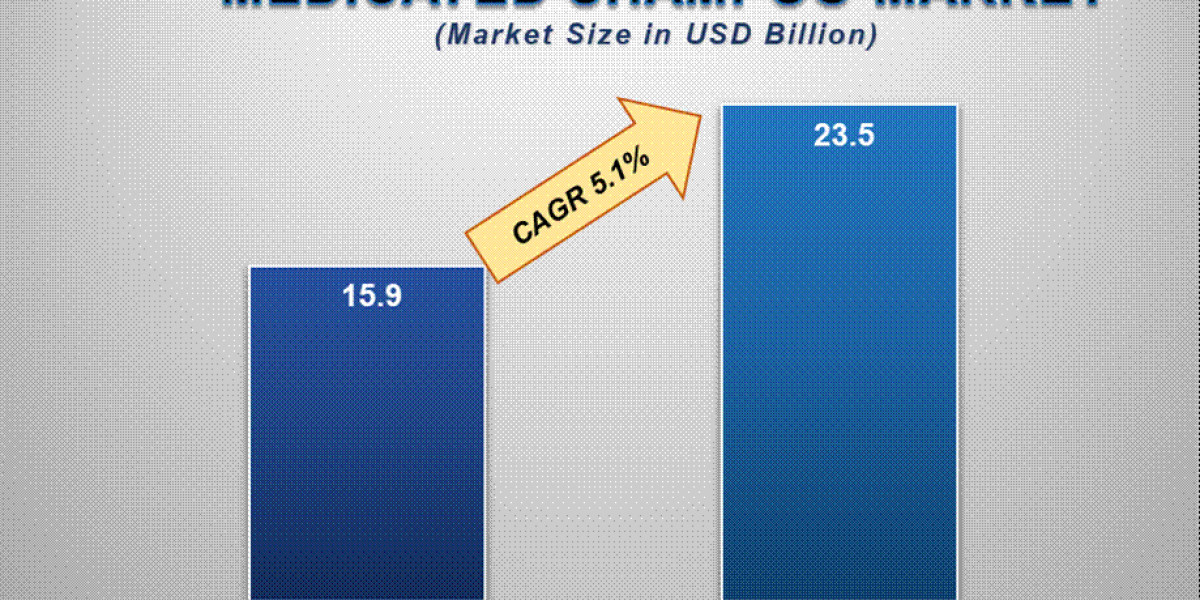
According to Market Minds Advisory, the global textured milk protein market is projected to experience steady growth, with its market value anticipated to increase from USD 2,898 million in 2024 to USD 4,331 million by 2034, reflecting a CAGR of 5.1% over the forecast period. TMP is being favored by mid-sized manufacturers seeking sustainable alternatives to soy due to increasing concerns around deforestation, allergen labeling, and fluctuating crop yields.
Case Study: A Scandinavian Success Story in Hybrid Sausages
A Scandinavian food innovation company, for example, recently developed a range of dairy-inclusive meat-free sausages using TMP as a central ingredient. Their original formulation used textured wheat protein, which led to drying out during pan-frying and an undesirable gummy texture post-cooking. By replacing 40% of the wheat content with TMP, the product achieved a noticeable improvement in elasticity and retained more moisture after thermal processing.
What made TMP the game-changer in this formulation was its dual ability to bind fat and water while retaining elasticity—resulting in a product that was not only nutritionally balanced but also organoleptically superior. This case exemplifies how TMP is solving problems for developers trying to meet consumer demands for better taste, texture, and familiarity without relying on synthetic additives.
Explore the full report for in-depth market insights: https://marketmindsadvisory.com/textured-milk-protein-market-trends/
Regulatory Blind Spots and Labeling Challenges
While TMP is gaining ground in formulation labs, regulatory classification continues to constrain its visibility. Because TMP is a milk-derived protein, it cannot be labeled as vegan—a critical limitation in the booming plant-based market. This places it more comfortably within the flexitarian and high-protein lifestyle food categories, where consumers are open to dairy ingredients but still seek sustainability and innovation.
Labeling standards also vary across regions. In the EU, TMP must be clearly labeled as a dairy protein, which limits its inclusion in products marketed as plant-based. In contrast, the U.S. allows more flexible marketing under "protein-enhanced" or "dairy-sourced protein" claims, allowing TMP greater leeway in hybrid formulations. These discrepancies have led to regional disparities in adoption rates, though ongoing revisions to food labeling laws could open new opportunities.
The Future of Hybrid Nutrition: TMP as the Missing Link
The role of TMP is poised to evolve beyond alternative meat into other segments such as senior nutrition, sports snacks, and medical foods—products that require both high protein density and good palatability. As demand for clean-label, minimally processed, high-protein foods grows, TMP offers a rare combination of natural origin, functional performance, and consumer-friendly taste.
Emerging markets in Southeast Asia and Latin America, where both dairy consumption and plant-based innovation are on the rise, represent fertile ground for TMP expansion. Combined with its comparatively lower environmental footprint than meat-based binders, TMP may become the bridge that connects traditional protein preferences with modern nutritional needs.
This overlooked revolution in functional dairy ingredients is only beginning. TMP’s ascent from obscurity to a critical role in food technology underscores a broader shift: that the future of protein innovation may not lie in what’s entirely new, but in how familiar elements like milk can be transformed through science to meet next-generation food challenges.
About Company:
At Market Minds Advisory, we’re more than just consultants—we’re partners in your journey to growth and success. We combine deep industry expertise with cutting-edge research to uncover insights that truly matter, helping you navigate challenges and seize opportunities with confidence. Whether it’s adapting to market shifts, exploring new revenue streams, or staying ahead of emerging trends, our focus is always on delivering tailored solutions that drive real results. With us, you’re not just getting advice—you’re gaining a trusted team dedicated to your success, every step of the way.
Contact Us
86 Great Portland Street, Mayfair,
London, W1W 7FG,
England, United Kingdom
Phone No.: +44 020 3807 7725
Email: marketing@marketmindsadvisory.com
Website: https://marketmindsadvisory.com/