
High quality restoration prevents future property issues by addressing the root cause of damage, not just the visible symptoms. It removes moisture, repairs structural weaknesses, and restores materials using the right methods. This prevents problems from recurring and reduces the risk of hidden damage that may appear later.
High quality work also improves documentation and standards of care. That means future buyers, insurers, and inspectors see a clear record of what was fixed and why. This year, restoration teams rely on advanced moisture mapping, controlled drying, and verified repairs to keep homes safe and stable.
This information reflects real industry experience in restoration, construction, and long-term property care. It is based on methods used by professional teams who handle water, fire, and mold damage regularly.
How restoration prevents recurring problems
A repair that only covers visible damage can leave the underlying issue behind. High quality restoration identifies the source, like a leak, poor drainage, or failing roofing, and corrects it.
When the cause is removed, the home stops cycling through damage and repair. That reduces long-term costs and keeps the structure stable.
Controlled drying prevents hidden moisture
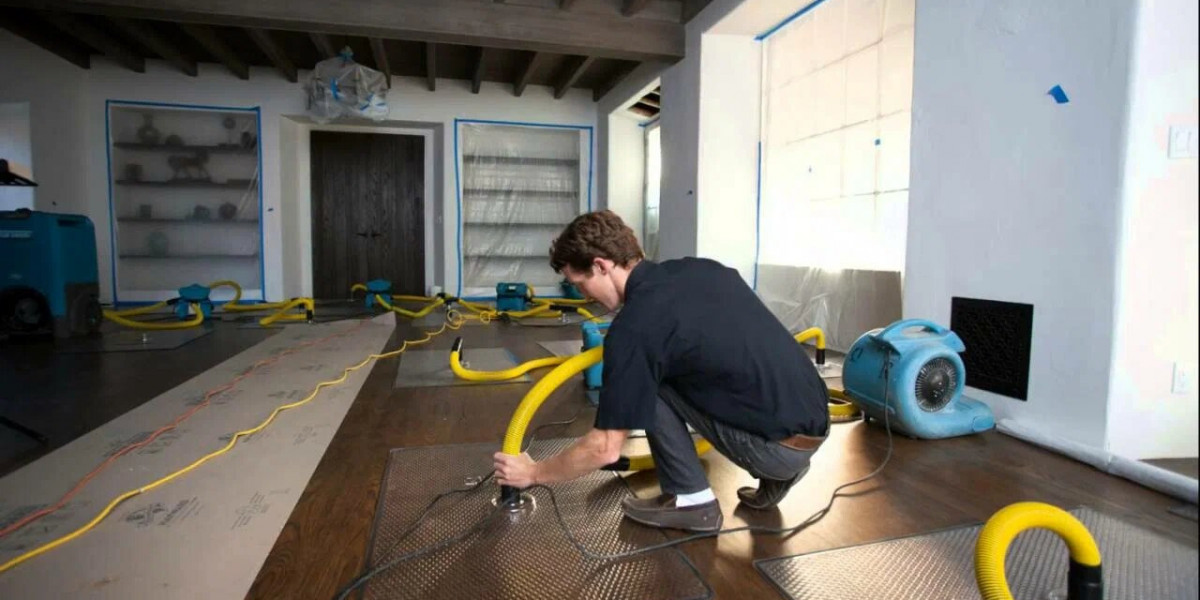
Moisture is the main reason issues return. High quality restoration uses moisture meters, infrared scanning, and controlled drying equipment. This ensures materials reach safe moisture levels before repairs begin.
If moisture stays trapped behind walls, mold can start weeks later. The damage then spreads into insulation, framing, and finishes.
Proper repairs reduce structural stress
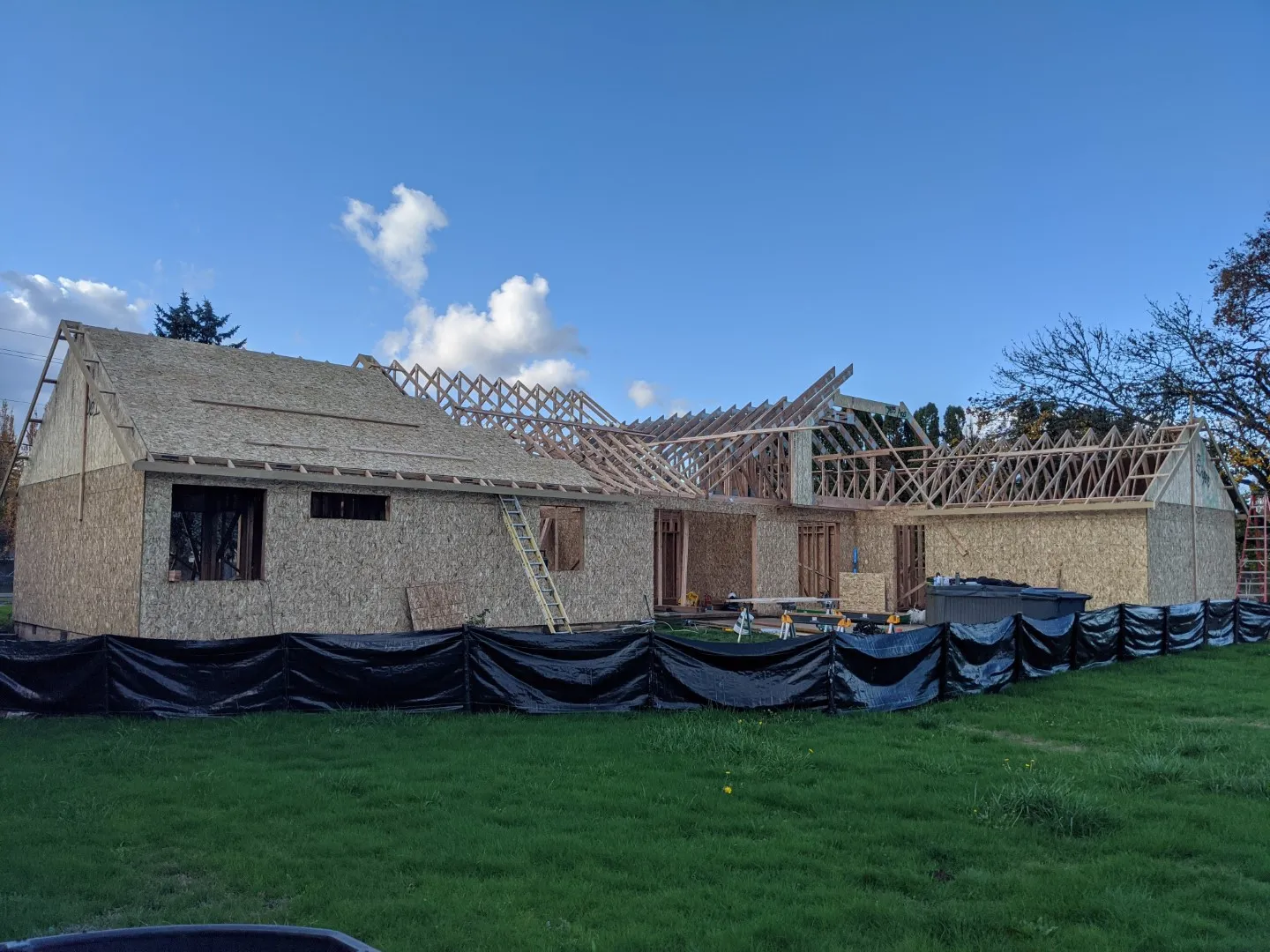
Poor repairs can create stress points in the home. For example, uneven drywall replacement or improper framing can cause cracks, sagging, or failure over time.
High quality restoration follows building standards and uses the right materials for the job. That prevents small repairs from becoming big problems later.
The Three Major Ways Quality Restoration Adds Value
Quality restoration does more than repair visible damage. It addresses hidden moisture, structural risks, and long-term property concerns that can affect safety and value. When restoration is done correctly, it protects both the building and the people living inside it. The following points explain how professional restoration delivers lasting benefits beyond basic cleanup.
1. Prevents mold and indoor air issues
Mold grows when moisture and organic material are present. High quality restoration removes wet materials, dries the area, and replaces damaged components.
This stops mold from returning and protects indoor air quality. Homes with repeated moisture problems often show persistent odors and allergy symptoms. Quality restoration reduces these risks.
2. Prevents structural decay and rot
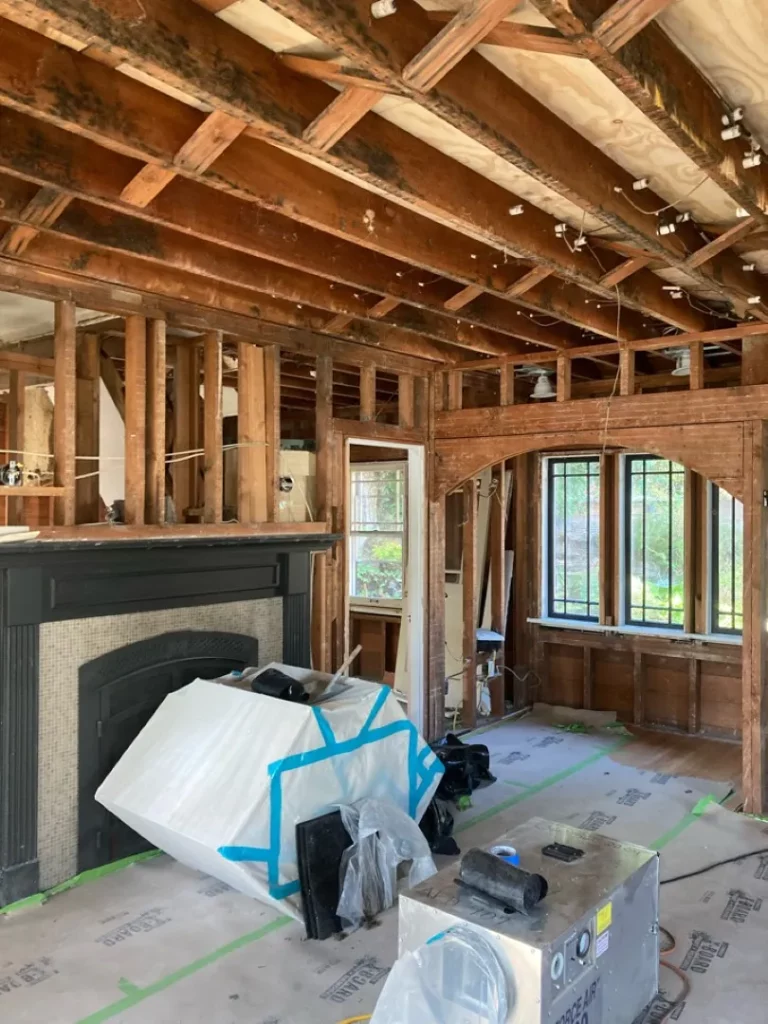
Wood framing and flooring can rot when exposed to moisture. High quality restoration checks hidden framing and subflooring for signs of decay.
It replaces damaged sections and confirms dryness before closing walls. This prevents future sagging, warping, and costly repairs.
3. Prevents long term insurance and resale issues
Homes with incomplete restoration often face issues during insurance claims or home inspections. Missing documentation, improper repairs, and hidden damage can lead to denied claims or lower appraisals.
Restoration quality comparison table
Restoration type | What it fixes | What it misses | Future risk |
|---|---|---|---|
Quick patch repair | Visible damage only | Hidden moisture and structural issues | High |
Standard restoration | Moisture control and cleanup | Limited verification and documentation | Medium |
High quality restoration | Cause correction, drying verification, and repair standards | Minimal if done correctly | Low |
How technology supports better restoration
Advanced moisture mapping shows where water moved inside walls and floors. It helps teams target drying and prevents missed wet spots.
Infrared scanning for hidden damage
Infrared cameras reveal temperature differences that indicate moisture. They help find leaks before they cause visible damage.
Digital documentation for proof
Digital records include photos, moisture readings, and work logs. These documents support insurance claims and future inspections.
Market context for 2024
Insurance claims for water damage continue to rise as homes age and extreme weather events increase. Restoration teams are investing in technology to reduce rework and improve outcomes. High quality restoration helps homeowners avoid repeated claims and long-term damage.
Regional guidance for damp climates
In regions with heavy rainfall or high humidity, homes face more moisture risk. Basements, crawl spaces, and exterior walls often need extra attention.
Quality restoration in these areas includes:
Proper grading and drainage
Sealing gaps around windows and doors
Installing or improving ventilation
Checking roof and gutter performance
Bonus Tip
In damp climates, homeowners should consider a post-restoration inspection after the rainy season. This can catch new moisture issues before they become major problems.
Things to Consider Before Making a Decision
Confirm the restoration scope
Homeowners should ask what the provider will repair and what they will test. A clear scope prevents surprises and keeps costs predictable.
Check for moisture verification
A reliable provider should use moisture meters and provide final readings. If moisture is not verified, the problem can return.
Review documentation practices
Documentation should include before and after photos, moisture logs, and equipment run times. This supports insurance claims and future resale.
Evaluate the provider’s credentials
Look for training, certifications, and a proven track record. Experience matters because restoration mistakes often show up later.
Compare long-term costs
Lower bids may look attractive, but they can cost more over time if repairs fail. High quality restoration often saves money by preventing repeated damage.
Final Takeaways
High quality restoration prevents future property issues by fixing the cause, controlling moisture, and following proper repair standards. It reduces mold risk, structural decay, and long-term costs. Homeowners should compare scope, verification methods, and documentation before choosing a provider. Evaluating the home’s condition, risk factors, and long-term goals will guide the best decision.
Next Steps for Homeowners
Homeowners seeking reliable restoration guidance can contact Prestige NW Restoration for an assessment and a clear plan. They can explain the steps needed, what to expect in documentation, and how to prevent future issues. Email dispatch@prestige-nw.com to discuss options and schedule a consultation.
Questions People Ask About
What makes restoration high quality?
High quality restoration includes cause correction, moisture verification, proper repairs, and clear documentation. It does not stop at cleanup.
How does quality restoration protect home value?
Quality restoration demonstrates proper repair and moisture control. That helps during inspections, appraisals, and resale.
Can poor restoration cause more damage?
Yes. Poor repairs can trap moisture, weaken structures, or hide problems behind walls. That leads to recurring issues and higher costs.
How long does it take to confirm a job is complete?
Verification depends on drying time, which varies by material and humidity. Professionals usually confirm dryness with moisture readings before final repairs.
Does insurance cover high quality restoration?
Coverage depends on the policy and cause of damage. Proper documentation increases the chance of approval and reduces disputes.
Author: Established on April 2, 2012, Prestige NW is led by owner Kelly Kerns, who brings extensive experience in restoration, construction, and customer service. Kelly supports both field operations and marketing, writing clear, practical content for homeowners while overseeing marketing strategy, partner communication, and brand direction. She combines industry expertise with focused messaging and reliable service.
Reviewer: Matthew Moore brings over 15 years of experience in residential renovation marketing. The review provided helped shape this content to better connect with homeowners seeking reliable, high-quality restoration and home improvement services.