
Introduction to Socket Screws in Advanced Fastening
Socket Screws are precision fasteners engineered to deliver secure clamping, compact installation, and high torque performance. Designed with an internal hex drive, they allow tightening through a recessed socket rather than an external head. This design makes them highly effective in confined mechanical assemblies where space and strength are equally important.
In modern engineering environments, Socket Screws are trusted for their ability to maintain structural stability under heavy loads, vibration, and continuous operational stress.
The Functional Design of Socket Screws
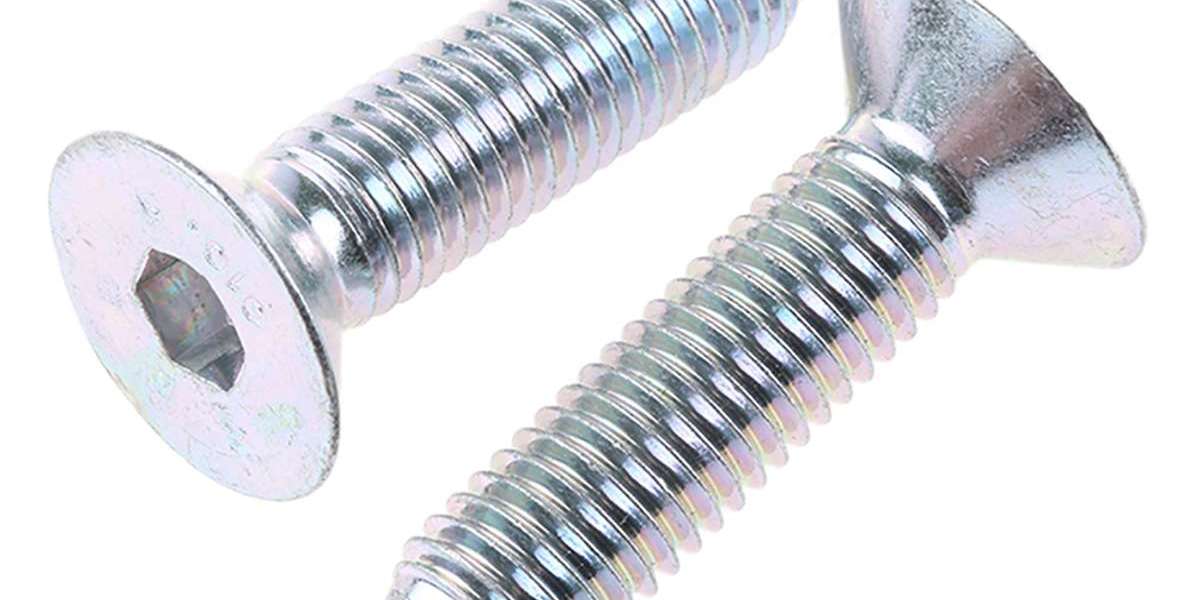
The defining feature of Socket Screws is the internal hexagonal recess. This allows torque to be applied directly through the centre of the screw head, improving control during installation and reducing slippage.
Key structural aspects include:
- Precision machined internal drive
- Strong cylindrical or low profile head shapes
- Uniform threading for balanced load distribution
- Compact head diameter for tight assemblies
- Durable surface finish for extended service life
This construction ensures reliable fastening across a wide range of applications.
Why Socket Screws Improve Mechanical Safety
Mechanical systems rely on stable joints to prevent failure. Socket Screws contribute to safety by providing consistent clamping force and resistance to loosening.
Their safety advantages include:
- High tensile strength for load bearing joints
- Strong resistance to vibration induced loosening
- Reduced head stripping compared to traditional screws
- Secure tool engagement during tightening
- Stable preload retention over time
These characteristics make them suitable for safety critical installations.
Categories of Socket Screws and Their Uses
Heavy Duty Cap Configuration
This type features a cylindrical head and deep internal socket.
Used for:
- Industrial machine frames
- Structural steel assemblies
- High load bearing systems
It offers maximum clamping strength.
Compact Head Configuration
Designed for installations with limited vertical clearance.
Suitable for:
- Electrical enclosures
- Control panel assemblies
- Lightweight mechanical housings
Its smaller head profile improves accessibility.
Surface Flush Configuration
These are engineered to sit level with the surface after installation.
Common in:
- Precision equipment
- Aerospace panels
- Safety sensitive surfaces
Flush installation reduces surface interference.
Shaft Retention Configuration
This design secures components internally without a protruding head.
Applied in:
- Rotating shafts
- Gear positioning
- Pulley alignment
It ensures stable internal fastening.
Material Selection for Optimal Performance
Choosing the right material ensures durability and compatibility with operating conditions.
Typical materials include:
- Alloy steel for high strength industrial use
- Stainless steel for corrosion resistant environments
- Carbon steel for general purpose mechanical fastening
Surface treatments enhance resistance to moisture, wear, and environmental exposure.
Industrial Sectors That Rely on Socket Screws
Automotive Engineering
Automotive components require reliable fastening under heat and vibration.
Applications include:
- Engine assemblies
- Transmission systems
- Suspension brackets
Socket Screws maintain torque stability in these demanding environments.
Manufacturing and Automation Systems
Production machinery depends on accurate alignment and secure joints.
Used in:
- Robotic arms
- Conveyor frameworks
- Pneumatic systems
Their compact internal drive allows installation in restricted spaces.
Energy Infrastructure
Power generation equipment must withstand mechanical stress and environmental exposure.
Socket Screws support:
- Turbine assemblies
- Generator structures
- Solar mounting systems
Their strength contributes to operational continuity.
Electronics and Control Equipment
Electronic systems require compact and precise fastening solutions.
Applications include:
- Instrument housings
- Embedded mechanical supports
- Control cabinets
The recessed drive prevents external protrusion that may interfere with components.
Installation Best Practices for Long Term Reliability
Proper installation is essential for maintaining performance and preventing mechanical failure.
Recommended practices include:
- Using the correct hex key size
- Applying specified torque values
- Ensuring threads are clean and aligned
- Avoiding excessive tightening
- Inspecting final seating after installation
Accurate torque control ensures balanced clamping pressure.
Engineering Considerations When Selecting Socket Screws
Selecting the appropriate fastener requires evaluating:
- Required load capacity
- Environmental exposure conditions
- Operating temperature range
- Space limitations within the assembly
- Required thread depth and pitch
Matching these factors ensures optimal fastening efficiency and structural reliability.
Durability in High Stress Environments
Socket Screws perform effectively under repeated mechanical stress, temperature changes, and continuous vibration. Their internal drive design supports even torque application, reducing stress concentration around the head.
This durability makes them suitable for demanding industrial applications where reliability is critical.
Maintenance and Performance Monitoring
Routine inspection helps maintain safety and operational efficiency.
Maintenance guidelines include:
- Checking for corrosion or wear
- Verifying torque retention periodically
- Replacing damaged screws promptly
- Monitoring structural alignment
Preventive maintenance ensures long term mechanical stability.
Conclusion
Socket Screws provide a powerful combination of strength, precision, and compact design. Their internal drive system enhances torque control, reduces installation errors, and supports stable load distribution.
Across industries such as automotive manufacturing, automation, energy infrastructure, and electronics, Socket Screws deliver dependable fastening solutions that enhance safety and efficiency. As engineering systems continue to evolve toward greater precision and compactness, these fasteners remain an essential component in achieving durable and secure mechanical assemblies.