
Professional EV Charger Installation in Gardendale, AL:
As electric vehicles become more common across Alabama, homeowners in Gardendale are discovering the convenience of charging at home. Public charging stations are helpful, but nothing compares to walking into your garage and plugging in overnight. That’s where professional EV Charger Installation becomes essential.
Installing a home EV charging station isn’t as simple as plugging into a standard outlet. It requires proper electrical capacity, safe wiring, and code-compliant installation. Whether you’ve recently purchased your first electric vehicle or you’re upgrading to a faster Level 2 charger, professional installation ensures your system is safe, efficient, and built to last.
This comprehensive guide explains how EV charger installation works, common challenges, step-by-step solutions, maintenance best practices, and what Gardendale homeowners should consider before installing a charging station.
Why EV Charger Installation Matters
Electric vehicles (EVs) are growing in popularity due to fuel savings, environmental benefits, and lower maintenance costs. However, the charging method you choose significantly impacts convenience and performance.
Level 1 vs. Level 2 Charging
Level 1 Charging: Uses a standard 120-volt outlet. Slow charging—often 3–5 miles of range per hour.
Level 2 Charging: Uses a 240-volt circuit. Much faster—typically 20–40 miles of range per hour.
Most homeowners in Gardendale opt for Level 2 chargers because they provide overnight full charging and long-term convenience.
Common Challenges Before Installing an EV Charger
Many homeowners assume their electrical system can automatically handle a new charger. However, several factors must be evaluated first.
1. Electrical Panel Capacity
Older homes may have 100-amp panels that are already near capacity. Adding a 240-volt EV charger could overload the system without an upgrade.
2. Limited Garage Outlets
Standard outlets are insufficient for fast charging. Dedicated circuits are required.
3. Improper Wiring
Incorrect wire gauge or breaker size can create overheating risks.
4. Outdoor Installation Concerns
Some homeowners prefer exterior-mounted chargers. Weatherproofing and proper conduit installation are critical in Alabama’s humid climate.
5. Permit and Code Compliance
Electrical permits and inspections ensure safe installation and compliance with local building codes.
Step-by-Step EV Charger Installation Process
Professional installation ensures safety and performance. Here’s what to expect.
Step 1: Electrical Assessment
A licensed electrician evaluates:
Panel amperage capacity
Available breaker space
Current load usage
Garage layout and charger location
Distance from panel to installation site
Load calculations determine if your system can support a Level 2 charger.
Step 2: Panel Upgrade (If Necessary)
If your panel cannot handle additional load, upgrading to a 200-amp panel may be recommended.
Step 3: Dedicated Circuit Installation
A 240-volt dedicated circuit is installed with:
Proper breaker size
Correct wire gauge
Secure grounding
Code-compliant conduit
Step 4: Charger Mounting
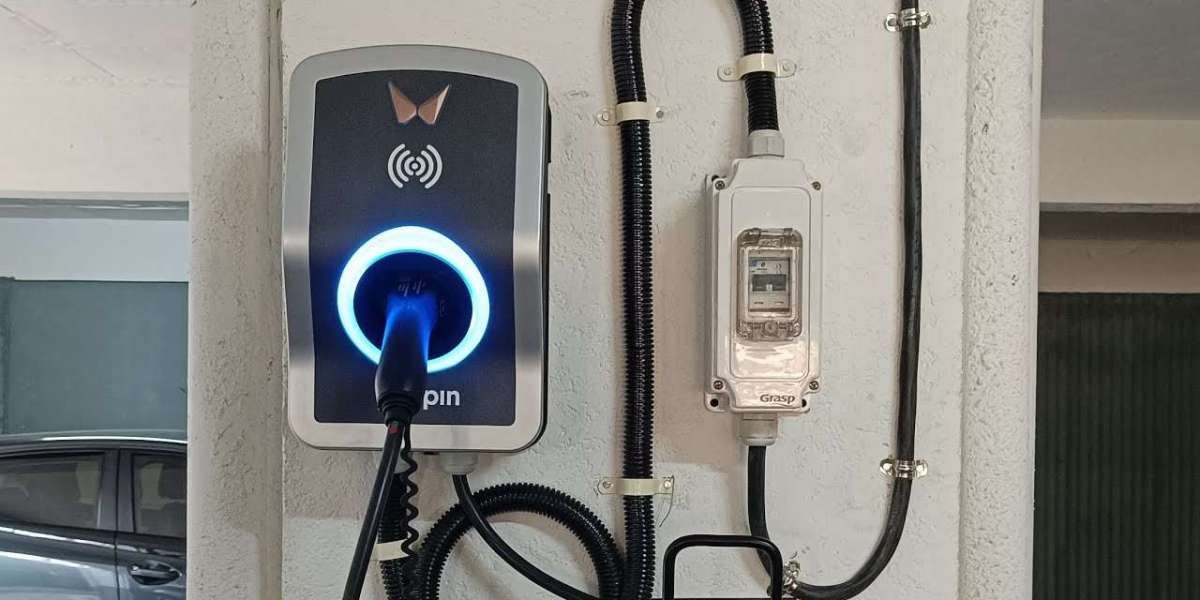
The EV charging station is securely mounted to the wall, typically in a garage or carport.
Step 5: Final Testing
The electrician tests:
Voltage consistency
Breaker performance
Charging speed
Ground fault protection
Local Considerations for EV Charger Installation services in Gardendale, AL
When planning EV Charger Installation services in Gardendale, AL, it’s important to account for local conditions and infrastructure.
Summer Heat and Electrical Demand
Gardendale experiences hot summers, increasing air conditioning use. Since EV chargers add electrical load, proper panel capacity is critical during peak cooling months.
Thunderstorms and Power Surges
Alabama storms can cause power surges. Installing surge protection alongside your EV charger helps protect both your vehicle and electrical system.
Garage vs. Outdoor Installations
Many homes in Gardendale have attached garages, making installation straightforward. However, outdoor setups require:
Weather-rated chargers
Waterproof conduit
GFCI protection
Elevated mounting to prevent water damage
Rural and Suburban Layouts
Some properties may require longer wiring runs from the panel to detached garages or driveways. Professional installation ensures voltage drop is properly managed.
Benefits of Installing a Home EV Charger
Convenience
Charge overnight and wake up to a full battery every morning.
Faster Charging
Level 2 chargers dramatically reduce charging time compared to standard outlets.
Increased Property Value
As EV adoption increases, home charging stations become attractive features for buyers.
Cost Savings
Charging at home often costs less per mile than gasoline.
Energy Efficiency
Modern EV chargers optimize charging cycles and can integrate with smart home systems.
Choosing the Right EV Charger
Not all chargers are the same. When selecting a system, consider:
Amperage Output
Higher amperage chargers provide faster charging but require sufficient panel capacity.
Smart Features
Some chargers offer:
Wi-Fi connectivity
Charging schedules
Energy monitoring
Mobile app controls
Hardwired vs. Plug-In
Hardwired Chargers: Permanently connected; often preferred for durability.
Plug-In Chargers: Connect to a NEMA 14-50 outlet; allow flexibility.
A professional electrician can help determine the best option for your home.
Maintenance Tips for Your EV Charger
While EV chargers require minimal maintenance, simple practices help ensure longevity.
Inspect Cables Regularly
Look for:
Fraying
Cracks
Loose connectors
Keep Charging Port Clean
Dust and debris can affect connections.
Monitor Breaker Performance
If the breaker trips frequently, have the system inspected.
Check Mounting Stability
Ensure wall brackets remain secure.
Protect Against Power Surges
Consider whole-home surge protection to safeguard your investment.
Safety and Code Compliance
EV charger installation involves high-voltage wiring and should never be attempted as a DIY project.
Professional installation ensures:
Proper breaker sizing
Correct wire gauge
Ground fault protection
Code-compliant grounding
Safe load balancing
Safety is especially important when dealing with 240-volt circuits.
Preparing Your Home for Future EV Growth
Many families are transitioning to multiple electric vehicles. Planning ahead can save time and money.
Consider:
Installing a panel with additional capacity
Adding conduit for future chargers
Upgrading to a smart energy management system
Forward planning ensures your home can handle increased demand.
Commercial EV Charger Installation
Businesses in Gardendale are also adding charging stations.
Benefits for Businesses
Attract EV-driving customers
Support employee charging
Enhance sustainability efforts
Increase property appeal
Commercial installations may require:
Higher capacity panels
Multiple charging units
ADA compliance
Dedicated parking spaces
Professional electricians ensure proper installation and electrical load management.
Why Professional Installation Matters
EV chargers draw significant power. Incorrect installation can lead to:
Overloaded circuits
Fire hazards
Equipment damage
Voided manufacturer warranties
Working with experienced electricians ensures your charging station is safe, efficient, and built to meet both current and future needs.
For dependable and code-compliant installations in Gardendale, homeowners and business owners rely on LeBlanc Electric LLC for expert EV charger installation services tailored to their property.
Conclusion
EV charger installation is more than just adding a plug—it’s an investment in convenience, efficiency, and long-term property value. In Gardendale, AL, where hot summers and growing EV adoption increase electrical demands, professional installation ensures your system operates safely and reliably.
From evaluating panel capacity to installing dedicated circuits and surge protection, a properly installed EV charger delivers peace of mind and seamless daily charging. Whether you’re new to electric vehicles or expanding your charging capabilities, professional service ensures your home is ready for the future of transportation.
Frequently Asked Questions (FAQs)
1. Do I need a panel upgrade for an EV charger?
Not always. An electrician will calculate your home’s load to determine if your panel has enough capacity.
2. How long does installation take?
Most residential installations are completed within one day.
3. Can I install an EV charger outside?
Yes, but it must be weather-rated and properly sealed.
4. Is Level 2 charging worth it?
Yes. It significantly reduces charging time compared to Level 1 outlets.
5. Will an EV charger increase my electricity bill?
Yes, but charging at home is often cheaper than fuel costs.
6. Do I need a permit in Gardendale?
Yes, permits are typically required to ensure safe and code-compliant installation.
7. Can I charge multiple EVs at home?
Yes, but your electrical system must have sufficient capacity.
8. What is the lifespan of a home EV charger?
Most quality chargers last 8–10 years or more with proper maintenance.
9. Are EV chargers safe in garages?
Yes, when installed professionally with proper ventilation and wiring.
10. Can surge protection protect my EV charger?
Yes. Whole-home surge protection helps safeguard charging equipment during storms.