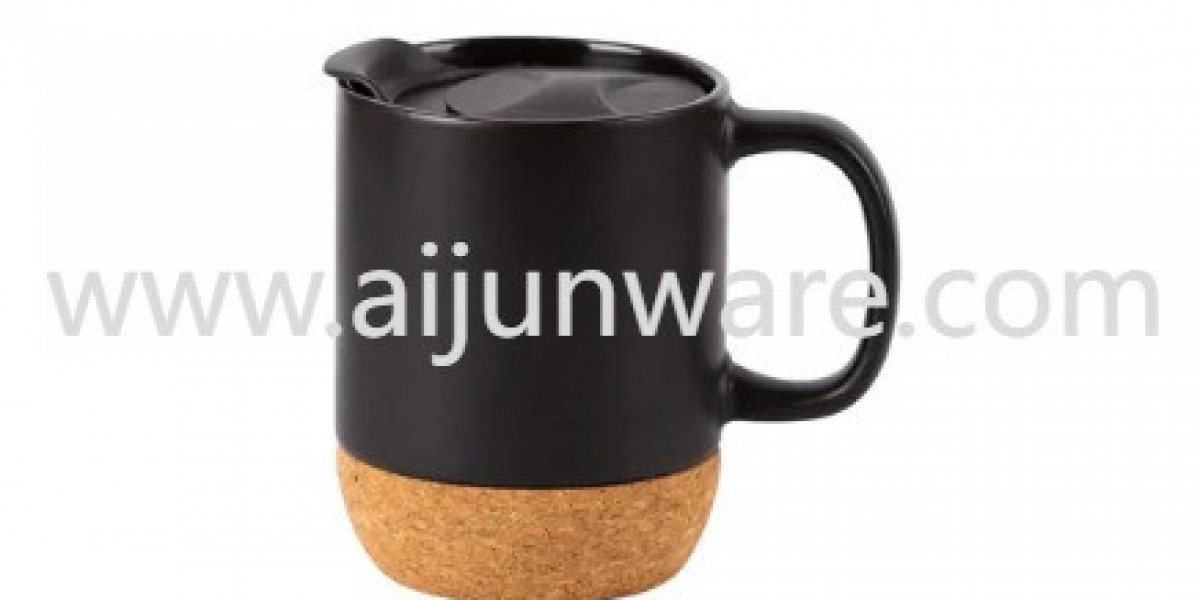

Material choices in product design often serve multiple purposes beyond immediate visual impact. The Aijun Cork Bottom Mug demonstrates how natural materials add functional value, a principle that extends to another product category gaining attention. A Bamboo Thermos Flask combines renewable aesthetics with tangible performance benefits that many users overlook, assuming the natural covering serves purely decorative purposes. Examining bamboo's actual contributions to thermos functionality reveals why this material choice represents sound engineering rather than merely trendy appearance preferences.
Thermal insulation receives unexpected enhancement from bamboo's cellular structure. While the primary insulation comes from vacuum or air gaps in double wall construction, bamboo adds an exterior insulation layer that reduces heat transfer between the metal surface and your hand or surrounding environment. The material contains microscopic air pockets within its fibers that trap thermal energy, similar to how cork functions but with different structural characteristics. This additional barrier means beverages maintain temperature slightly longer than identical thermoses with simple painted metal exteriors, and the outer surface remains more comfortable to touch when contents are extremely hot or cold.
Grip improvement represents one of bamboo's most practical contributions. Smooth stainless steel surfaces become slippery when wet from condensation or rain, creating drop risks that damage containers and potentially cause injury. Bamboo's natural texture provides friction that helps hands maintain secure holds even in damp conditions. The material's slight give under finger pressure enhances grip comfort compared to rigid metal, reducing hand fatigue during extended carrying. This tactile advantage matters particularly for travelers, hikers, and commuters who hold flasks for prolonged periods while navigating challenging terrain or crowded spaces.
Impact resistance improves when bamboo covers metal thermos bodies. The natural material absorbs shock energy from drops or bumps that would directly dent or scratch bare metal surfaces. While bamboo cannot prevent all damage, it distributes impact force across a wider area and cushions initial contact, often preventing cosmetic damage from minor accidents. The material may show scuffing or wear from impacts, but replacing a bamboo sleeve costs less than repairing dented metal bodies. This protective function extends container lifespan by shielding the critical insulated core from damage that might compromise vacuum seals.
Antimicrobial properties inherent in bamboo contribute to hygiene when handling containers repeatedly throughout the day. The material naturally resists bacterial growth on its surface, meaning the exterior stays cleaner between washings compared to plastic alternatives where bacteria colonize more readily. While you should still clean all drinkware regularly, bamboo's natural resistance means brief contact with less than pristine surfaces poses reduced contamination risk. This property matters for outdoor users who might set flasks on varied surfaces or for people in shared office environments where containers contact multiple areas throughout the day.
Weight distribution changes when bamboo wraps metal cores, affecting how flasks feel during use. The material adds minimal mass while increasing diameter slightly, moving the center of gravity outward and lowering it proportionally. This geometry shift improves balance in hand and reduces tipping tendency when set on surfaces. The weight increase remains negligible for most users while the handling improvement proves noticeable, especially in taller narrow flasks that otherwise feel top heavy and unstable. Better balance translates to fewer spills and more confident one handed operation.
Temperature communication through the container wall varies with bamboo covering. Bare metal conducts temperature readily, meaning extremely hot or cold contents make the exterior uncomfortably hot or cold to touch. Bamboo's insulating properties keep the outer surface closer to ambient temperature regardless of contents, eliminating the need to handle hot thermoses with caution or wait for safe handling temperature. You can grab your flask immediately after filling with boiling water without discomfort, a convenience that matters during rushed morning routines or when making quick stops for refills.
Sustainability extends beyond renewable sourcing to include product longevity. Bamboo covering encourages careful use through its natural appearance that shows wear patterns differently than disposable feeling plastic or industrial metal. Users tend to maintain and repair products with visible natural materials rather than discarding them at first sign of damage. This psychological effect means bamboo flasks often remain in service longer than synthetic alternatives, reducing overall environmental impact through extended useful life. The material's repairability and replaceability further support sustainability goals when damage does occur.
Acoustic properties change with bamboo covering in subtle but pleasant ways. Setting down a bamboo covered flask produces a softer sound than metal on hard surfaces, reducing noise in quiet environments. The dampened impact sound creates a quality perception that purely metal containers lack, contributing to a sense of refined design. While seemingly minor, these sensory details affect user satisfaction and perception of product quality in ways that influence long term attachment to possessions.
Moisture management differs between bamboo and synthetic coverings in practical ways. The natural material breathes slightly, allowing any moisture between the covering and metal core to evaporate rather than creating conditions for corrosion. Synthetic wraps that seal completely might trap condensation or cleaning water, potentially causing metal deterioration over time. Bamboo's slight permeability while maintaining water resistance for normal use represents a functional balance that protects both exterior and core from moisture related damage.
Environmental conditions affect bamboo differently than synthetics, requiring awareness rather than constituting disadvantages. Extreme humidity might cause slight expansion, while very dry conditions could lead to minor contraction or surface checking. These natural responses to environment indicate a living material rather than suggesting inferiority to dimensionally stable plastics. Applying occasional conditioning treatments maintains bamboo's suppleness and appearance, similar to caring for wooden cutting boards or furniture. The maintenance requirement remains minimal but acknowledges bamboo's organic nature.
Customization potential through natural grain variation makes each bamboo covered flask unique. Unlike uniform synthetic coverings or painted finishes, natural bamboo displays individual growth patterns and color variations. Some users appreciate owning distinctive items rather than mass produced identical products. This uniqueness contributes to emotional attachment and reduces likelihood of abandoning items that develop wear, as the natural material ages visibly in ways that synthetic surfaces do not.
These functional contributions demonstrate why bamboo represents thoughtful material selection rather than superficial decoration. The natural covering enhances performance across multiple dimensions while providing environmental benefits and aesthetic appeal. Understanding these practical advantages helps users appreciate that material choices in quality products serve engineering purposes alongside visual design goals. For thermoses where bamboo covering delivers these functional benefits alongside sustainable sourcing and attractive appearance, view the collection at https://www.aijunware.com/product/ where material selection reflects both performance priorities and environmental consciousness.