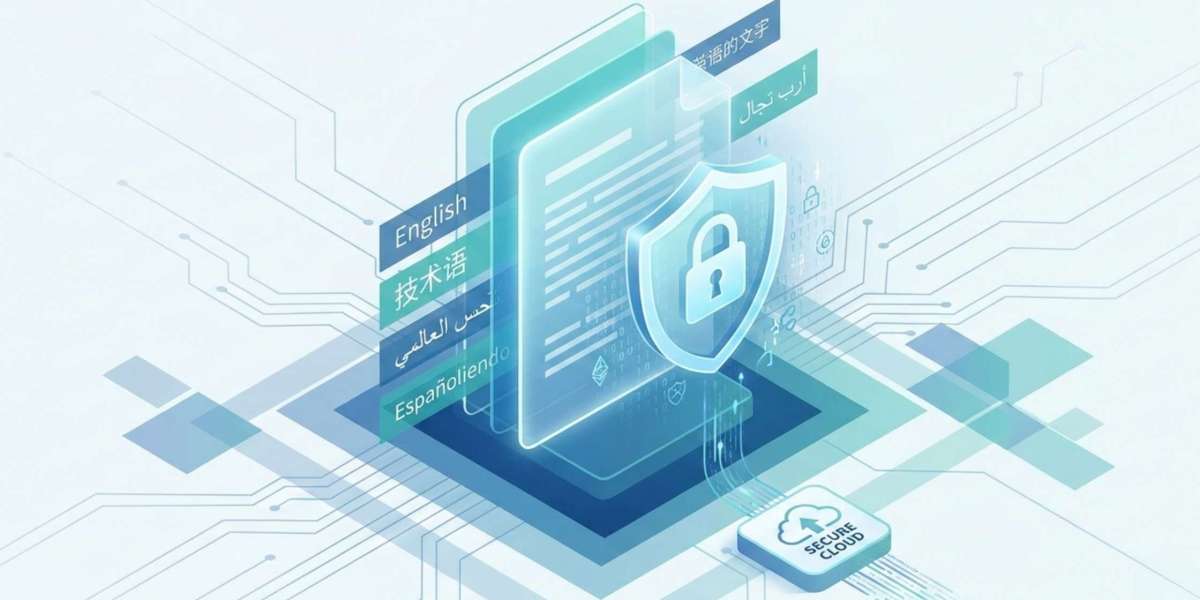

In today’s globalized world, document translation plays a vital role in helping organizations communicate across borders. From legal agreements and financial statements to medical reports and technical manuals, sensitive information often needs to be translated accurately. However, as global data privacy concerns continue to rise, ensuring that your confidential documents remain secure throughout the translation process has become more important than ever.
In this blog, we’ll explore how to protect confidential information during document translation, along with practical strategies businesses can adopt to safeguard data integrity and comply with international privacy standards.
Why Confidentiality Matters in Document Translation
When you submit documents for translation, you’re entrusting sensitive information to a third party. This could include personal data, intellectual property, trade secrets, or confidential business agreements. If mishandled, such data could lead to legal consequences, financial loss, or reputational damage.
Therefore, it’s crucial to understand how to protect confidential information during document translation — not just to avoid breaches, but to maintain trust between your organization, clients, and stakeholders.
1. Choose a Reputable and Certified Translation Provider
The first and most important step in protecting sensitive data is to work with a professional and certified translation company. Reputable providers follow strict confidentiality protocols, use secure data storage, and have translators who sign non-disclosure agreements (NDAs).
When evaluating a provider, always check for:
ISO 17100 certification for translation quality
ISO 27001 certification for information security
Experience handling confidential or legal documents
This ensures that your service provider has robust data protection systems in place and understands how to protect confidential information during document translation.
2. Use Encrypted File Transfer and Storage Systems
Data breaches often occur during file transmission. Sending documents via unsecured email or public file-sharing links can expose your information to cyber threats.
To mitigate this risk, always use encrypted file transfer methods, such as secure client portals, password-protected files, or cloud storage with end-to-end encryption. Professional translation companies often use secure translation management systems (TMS) to ensure data remains protected throughout every stage of the project.
When understanding how to protect confidential information during document translation, it’s essential to prioritize encryption and restricted access at every level of communication.
3. Limit Access to Sensitive Documents
Not everyone involved in a translation project needs full access to your documents. Limiting access to only those directly responsible for translation or proofreading helps minimize exposure.
A reliable translation company will implement role-based access control (RBAC) — allowing only authorized personnel to view, edit, or download files. This is one of the simplest yet most effective methods of how to protect confidential information during document translation.
4. Sign Non-Disclosure Agreements (NDAs)
An NDA is a legal safeguard that ensures all translators, project managers, and editors involved in your project are legally bound to maintain confidentiality. Always request NDAs before sharing any sensitive files.
If your project involves especially sensitive materials — such as legal evidence, medical records, or government data — ask for customized NDAs that specify the scope, duration, and penalties for breaches. NDAs are a cornerstone of how to protect confidential information during document translation.
5. Avoid Using Free Online Translation Tools
Free or open-source translation tools might seem convenient, but they can compromise your privacy. Many online platforms store uploaded documents on public servers or use them to train algorithms, which means your confidential information could end up being exposed.
Instead, rely on human translators working within a secure, controlled environment. They ensure accuracy, context, and most importantly — confidentiality. Knowing how to protect confidential information during document translation means understanding when automation could put your data at risk.
6. Regularly Audit and Monitor Data Security
Finally, continuous monitoring is key to maintaining long-term security. Periodic audits of your translation workflows help identify weak points, outdated security protocols, or unauthorized access attempts.
Professional providers perform routine data protection audits and update their cybersecurity measures regularly — a crucial practice in how to protect confidential information during document translation.
Conclusion
Protecting confidential information during document translation requires a combination of secure technology, trusted professionals, and well-defined processes. From encryption and NDAs to certified providers and limited access, each layer of protection plays a role in keeping your data safe.
At My Transcription Place, we understand how to protect confidential information during document translation. Our team follows strict confidentiality protocols, employs secure file transfer systems, and ensures every translator upholds the highest ethical standards. Whether you need legal, medical, or business translations, we guarantee that your sensitive information remains private, secure, and professionally handled.
Choose My Transcription Place — where accuracy meets trust in every document translation.